
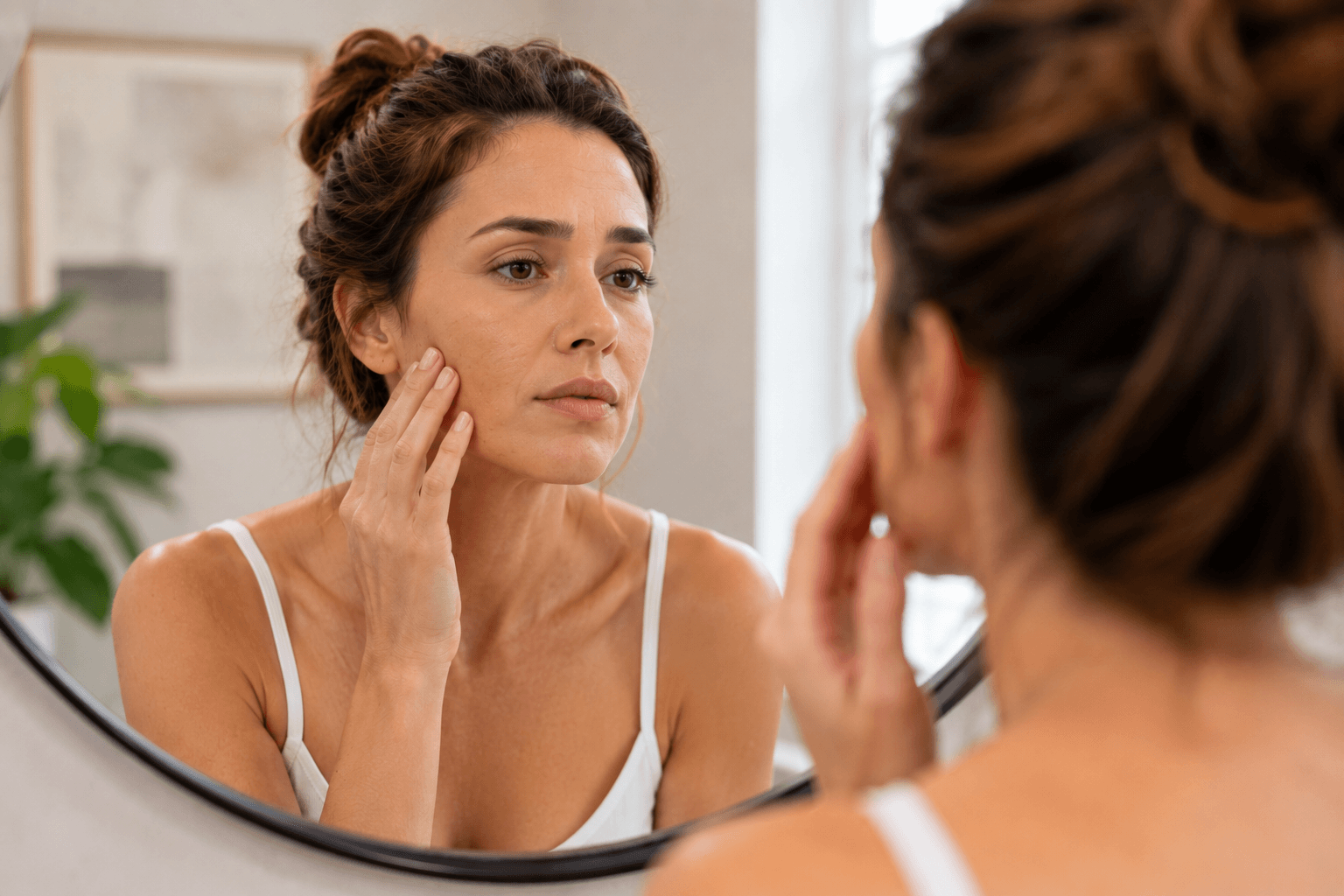
You step in front of the mirror one morning and something feels off. Your weight hasn't budged, your routine hasn't changed, but your face looks tired in a way that concealer just can't fix anymore. Your cheeks seem a little flatter. The area under your eyes looks more hollow. Maybe your skin feels thinner, like it's not sitting on your face the way it used to. If this sounds familiar, you're not imagining things, and you're definitely not alone. This is one of the most common concerns we hear from patients walking through our doors in Wichita Falls, and it almost always comes down to one thing: gradual, natural volume loss beneath the skin.
This article is going to walk you through why this happens, what's actually going on underneath the surface, and why more people are choosing a slower, more natural approach to restoring that lost structure rather than jumping straight to fillers or surgery. Updated for August 2026, this guide reflects what we're seeing right now in our Wichita Falls med spa as more patients ask about long-term, collagen-based solutions.
Your face isn't just skin stretched over bone. It's a layered structure made up of fat pads, muscle, connective tissue, and a deep network of collagen and elastin that gives everything its shape and bounce. In your twenties and early thirties, that structure is dense and well supported. But starting in your mid to late thirties, collagen production begins to slow down, and it keeps declining every year after that. The fat pads in your cheeks also shift and shrink slightly with time, which is part of why your face can look narrower or more angular even if your body weight is exactly the same as it was a decade ago.
This is different from weight loss. Weight loss affects the whole body and tends to happen relatively quickly. Volume loss related to aging is slower, more localized to the face, and tied directly to a drop in your body's own collagen supply.
Yes, and this usually happens alongside volume loss rather than separately from it. As collagen and elastin decline, skin loses some of its density and elasticity. It can start to feel softer, look a little more crepey, or seem like it's not "snapping back" the way it once did. Combine that with reduced fat volume underneath, and you get that classic combination of hollowness plus looseness that so many people describe as looking tired even when they're perfectly well rested.
Most patients notice a few signs before they can put their finger on exactly what's changed. Some of the most common include:
If several of these sound familiar, it's worth understanding this is a structural issue happening below the skin, not just a surface wrinkle problem, which matters a lot when it comes to choosing the right treatment.
Traditional dermal fillers work by physically adding volume the moment they're injected. You see the result right away, which is great for some concerns, but it isn't how everyone wants to approach facial rejuvenation. Some patients worry about looking "done" overnight or want their results to unfold naturally so that friends and coworkers notice they look refreshed without necessarily knowing why.
This is where a different category of treatment comes in, one that doesn't add volume directly but instead encourages your own body to rebuild it from the inside out.
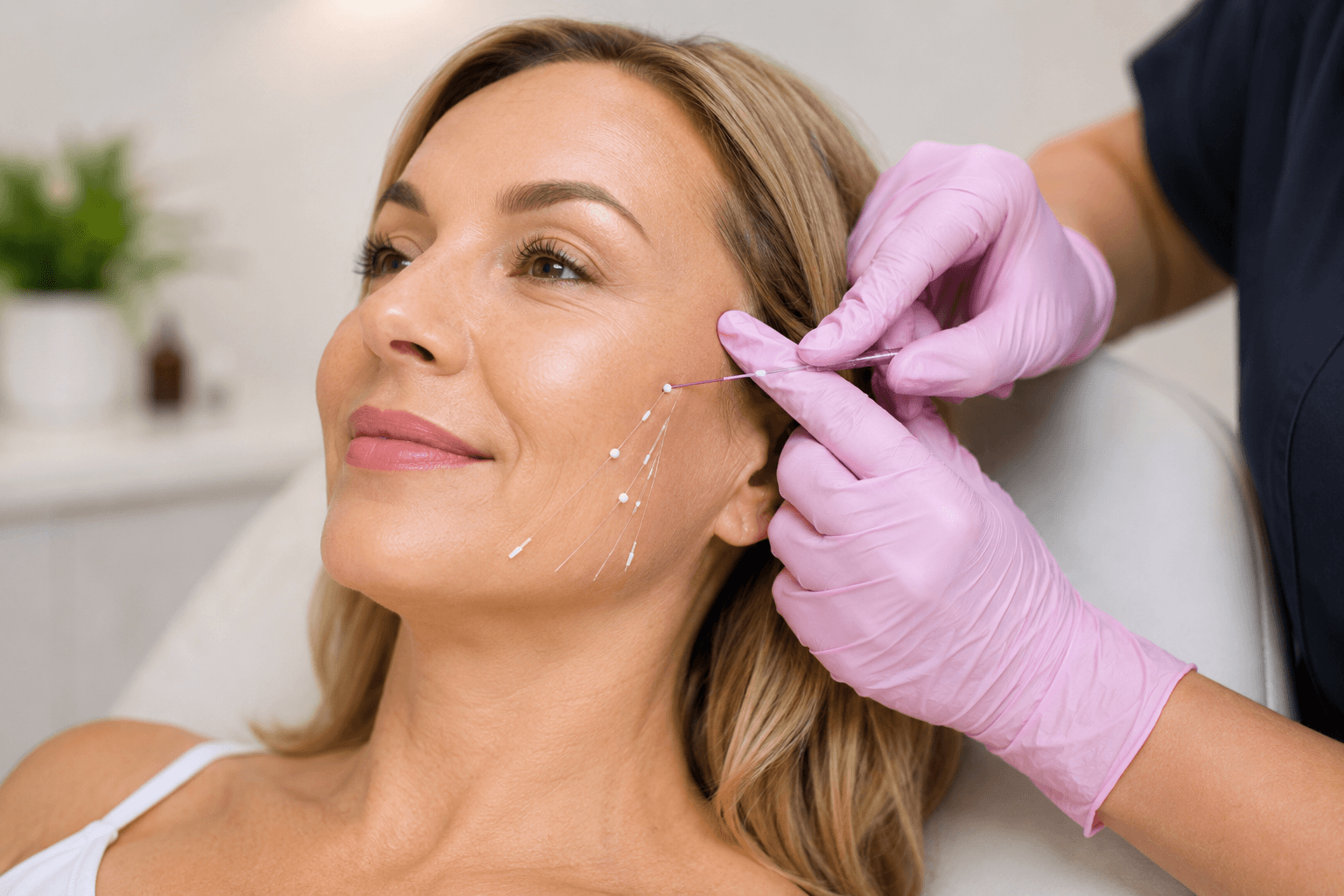
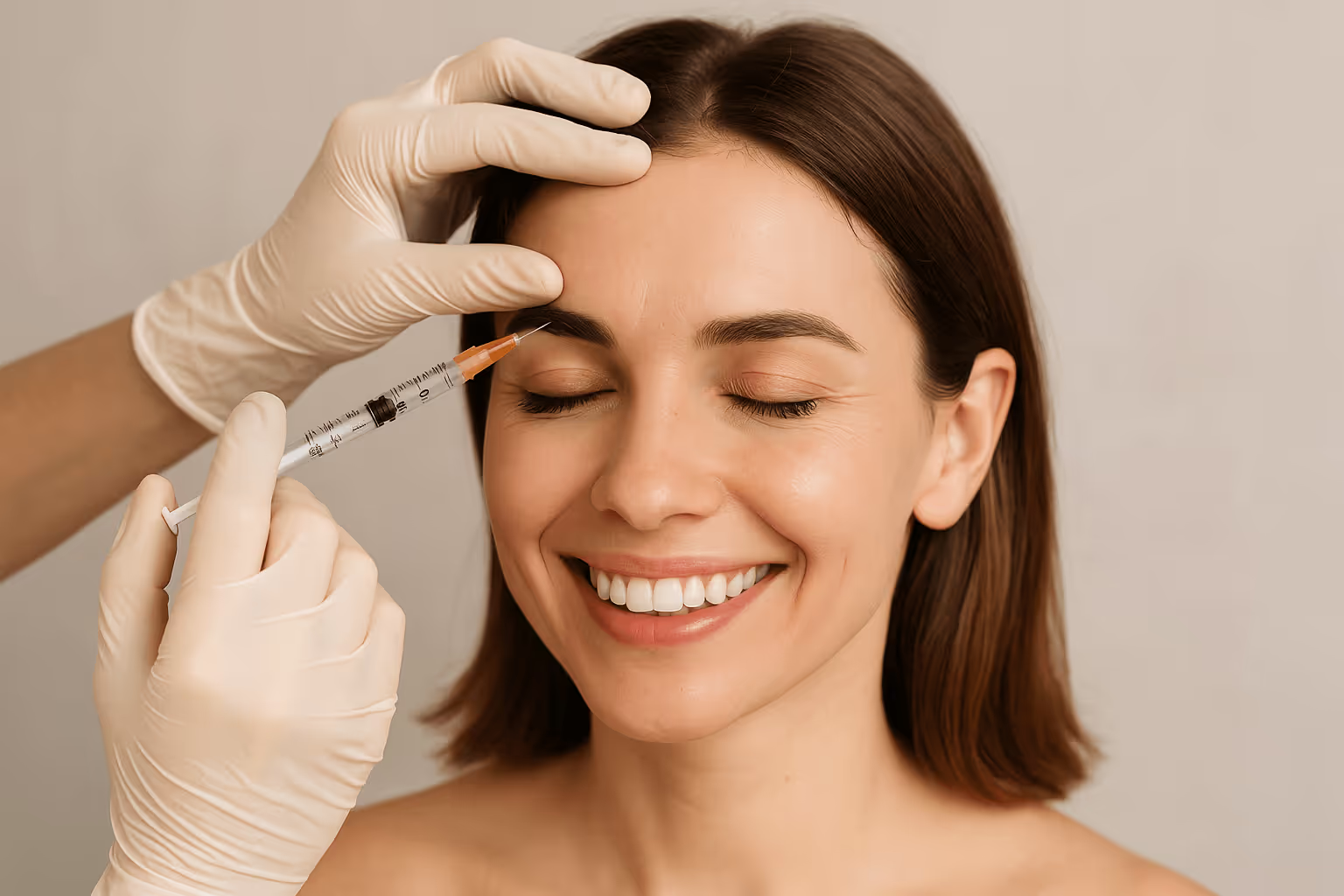
Rather than filling space, collagen-stimulating treatments work by triggering your skin's own repair response. A biocompatible substance is injected into the deeper layers of skin, and over the following weeks your body responds by producing new collagen in that area. The result builds gradually, layer by layer, over a series of sessions, which means the change tends to look more like a slow return to your natural fullness rather than a sudden transformation.
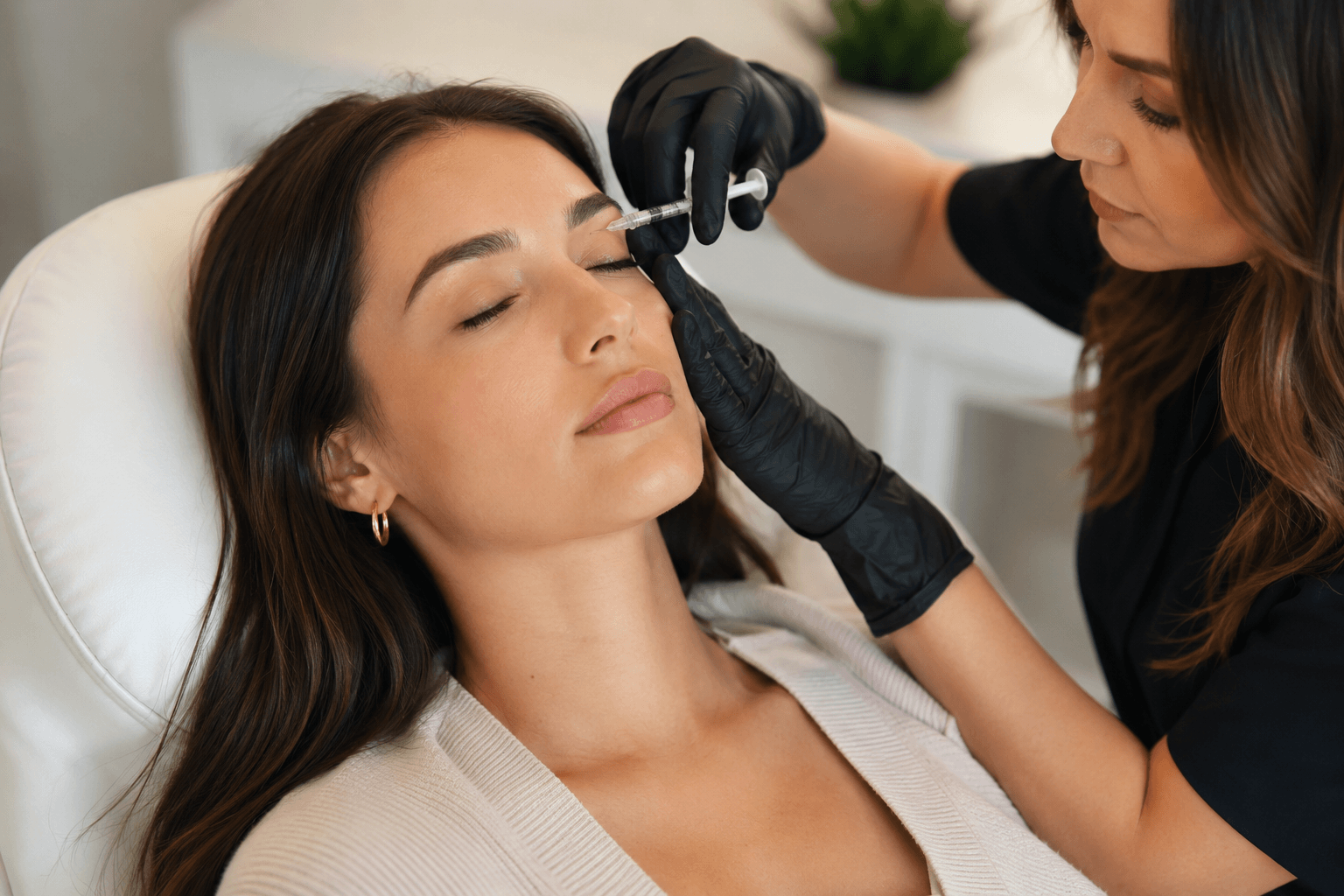
This gradual, biology-driven approach is exactly how Sculptra works, and it's one of the treatments we offer here at Envy Med Spa for patients in Wichita Falls who are dealing with the kind of structural volume loss we've been describing. Sculptra is made from poly-L-lactic acid, a substance that has been used safely in medicine for decades. When it's injected into areas like the cheeks, temples, or along the jawline, it doesn't sit there as a filler. Instead, it stimulates your body to gradually produce its own new collagen over the following months.
That means the results you see three months after treatment look different, and generally better, than what you see three weeks after. It's a slow build toward a fuller, firmer, more supported look rather than an immediate change. Many patients tell us this is exactly the kind of outcome they were hoping for: noticeably improved, but not obviously "done."
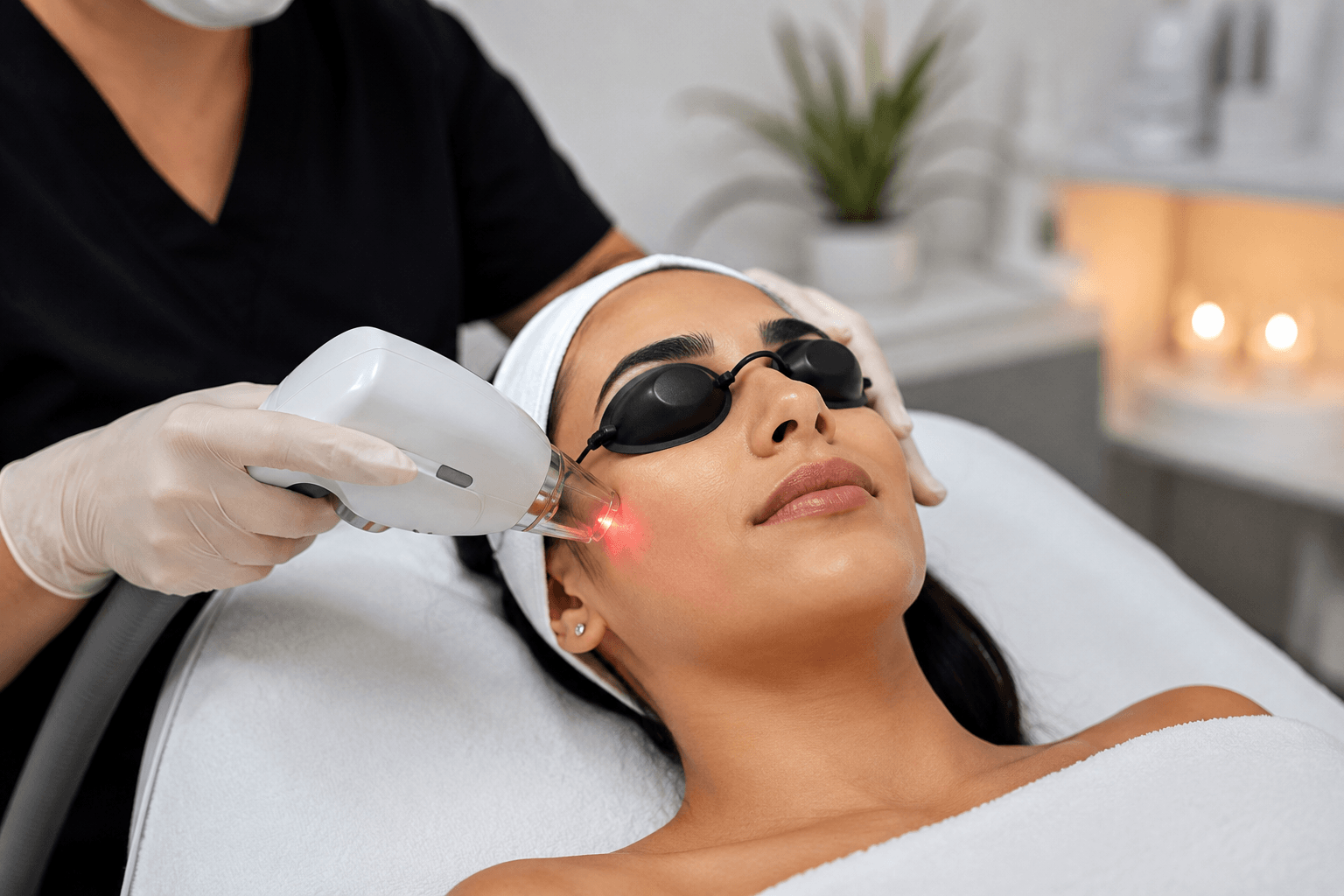
Sculptra tends to be a great fit for people who are noticing early to moderate volume loss in the cheeks, temples, or midface, and who want a solution that addresses the underlying cause rather than just smoothing the surface. It's also a strong option for anyone who has tried traditional fillers in the past but felt the results looked too immediate or too "filled" for their taste. During a consultation at our Wichita Falls office, we'll take a look at your skin, talk through your goals, and let you know honestly whether Sculptra or a different approach makes more sense for what you're trying to achieve. If your main concern is loose or lax skin rather than lost volume, we'll walk you through how that's evaluated differently, since skin laxity and volume loss in the cheeks or midface sometimes overlap but aren't always the same issue.
Most Sculptra plans involve a series of sessions spaced several weeks apart, since collagen production takes time to build. You won't walk out looking dramatically different on day one, and that's by design. Instead, you'll notice gradual improvement over the following weeks and months as your body lays down new collagen in the treated areas. Results can last well over a year, which is one of the reasons so many Wichita Falls patients appreciate it as a longer-term investment rather than a treatment they need to repeat every few months.
Sculptra sessions are done in office and don't require any downtime in the traditional sense. Some patients notice mild swelling or bruising at the injection sites for a few days, similar to what you'd expect from other injectable treatments. Most people are comfortable returning to normal activities the same day or the next, which fits well with the busy pace of life here in Wichita Falls, whether you're heading back to work, running errands around Kemp Boulevard, or just picking the kids up from school.
How long does it take to see results from Sculptra? Most patients begin noticing subtle changes within four to six weeks as new collagen starts to form, with fuller results developing over the following months as additional sessions build on each other.
Is Sculptra better than dermal filler for volume loss? It depends on your goals. Dermal filler provides immediate volume, while Sculptra works gradually by stimulating your own collagen. Many patients in Wichita Falls prefer Sculptra specifically because the results feel more natural and unfold over time rather than all at once.
How many Sculptra sessions will I need? This varies based on the amount of volume loss and your individual goals, which is why a consultation is so important. Most treatment plans involve a series of sessions spaced roughly four to six weeks apart.
Does Sculptra help with sagging or loose skin, or only hollow areas? Sculptra is primarily designed to restore lost volume by rebuilding collagen, which can also improve the appearance of mild skin laxity as the deeper support structure strengthens. For more significant sagging, a different approach may be recommended alongside it.
At what age should someone consider Sculptra? There's no universal age. Some patients start noticing early volume loss in their late thirties, while others don't consider treatment until their fifties or later. What matters more than age is whether you're seeing the specific signs of collagen decline we described earlier.
Facial aging isn't really about wrinkles as much as people assume. More often, it's about structure, the collagen and volume that quietly hold everything in place. Once you understand that, it makes a lot more sense why a treatment that rebuilds collagen from within, rather than just filling space temporarily, can produce results that look so genuinely like you, just with your natural fullness restored.
If you've been noticing that hollow, tired look creeping in and you're ready to explore a gradual, natural-looking solution, our team at Envy Med Spa would love to talk it through with you. You can learn more about the treatment on our Sculptra service page, browse our full range of injectable treatments, or simply reach out to our Wichita Falls team to schedule a consultation and find out what your face might be trying to tell you.














.png)
.png)












































.avif)



.jpg)