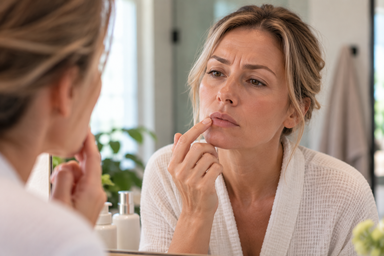
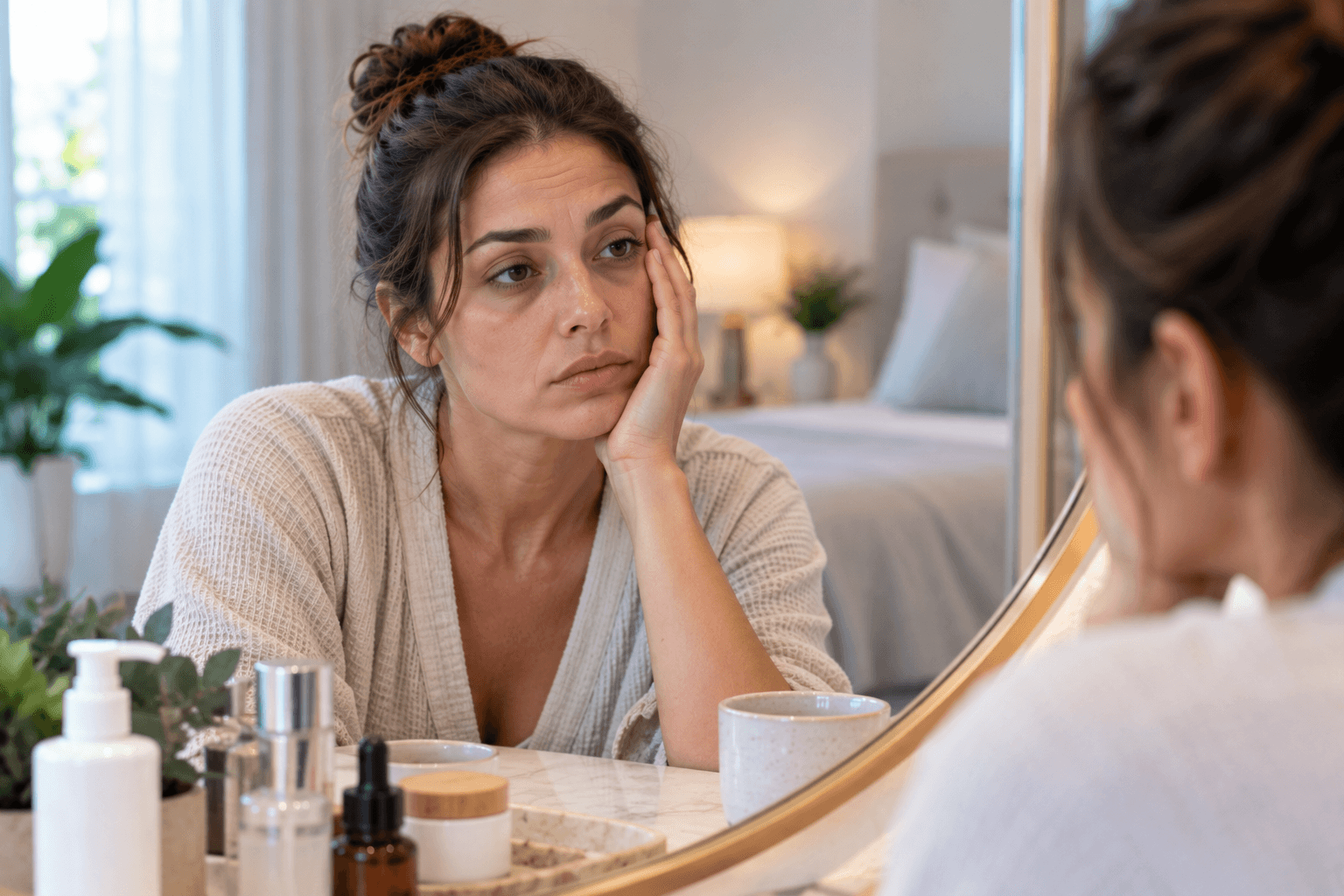
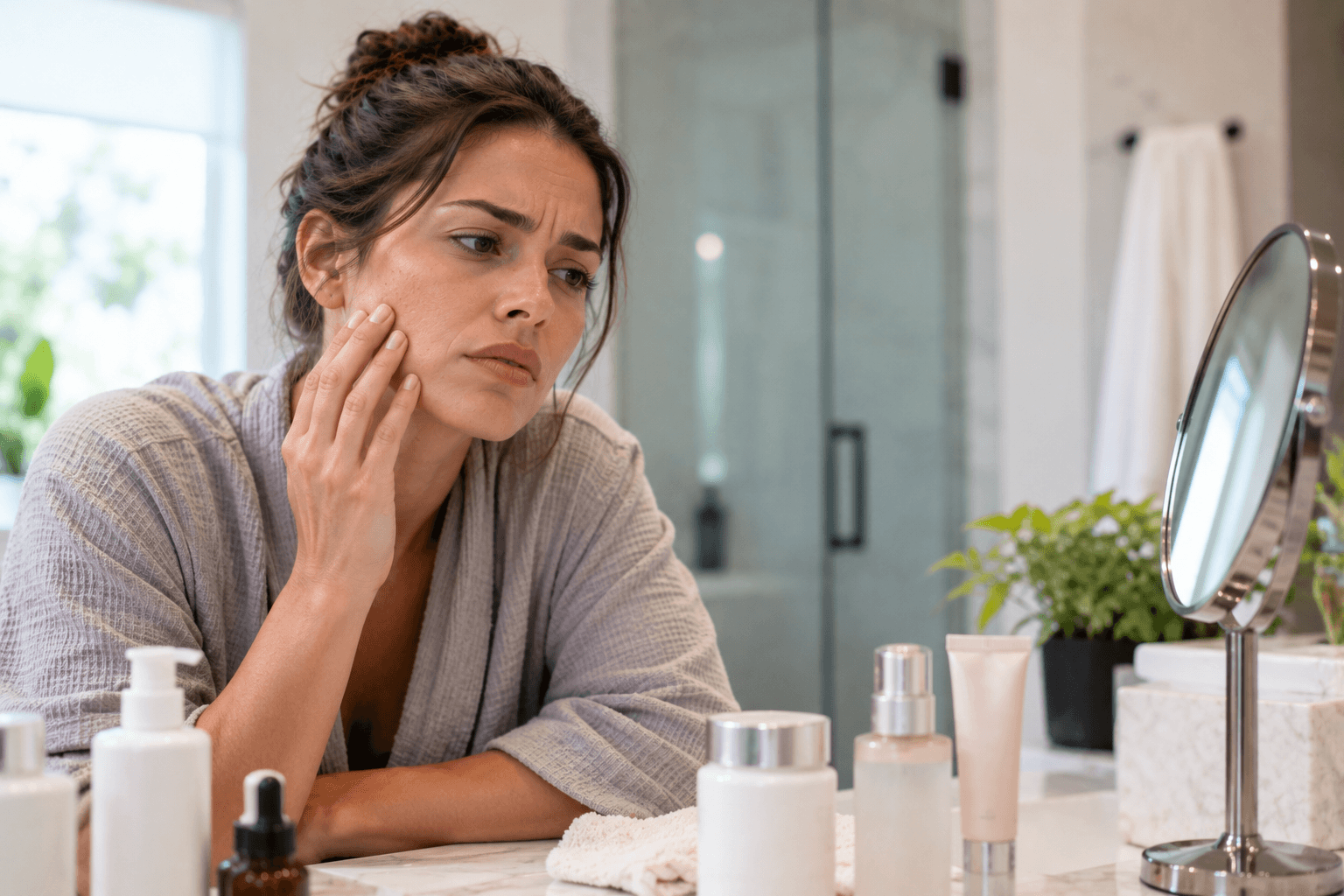
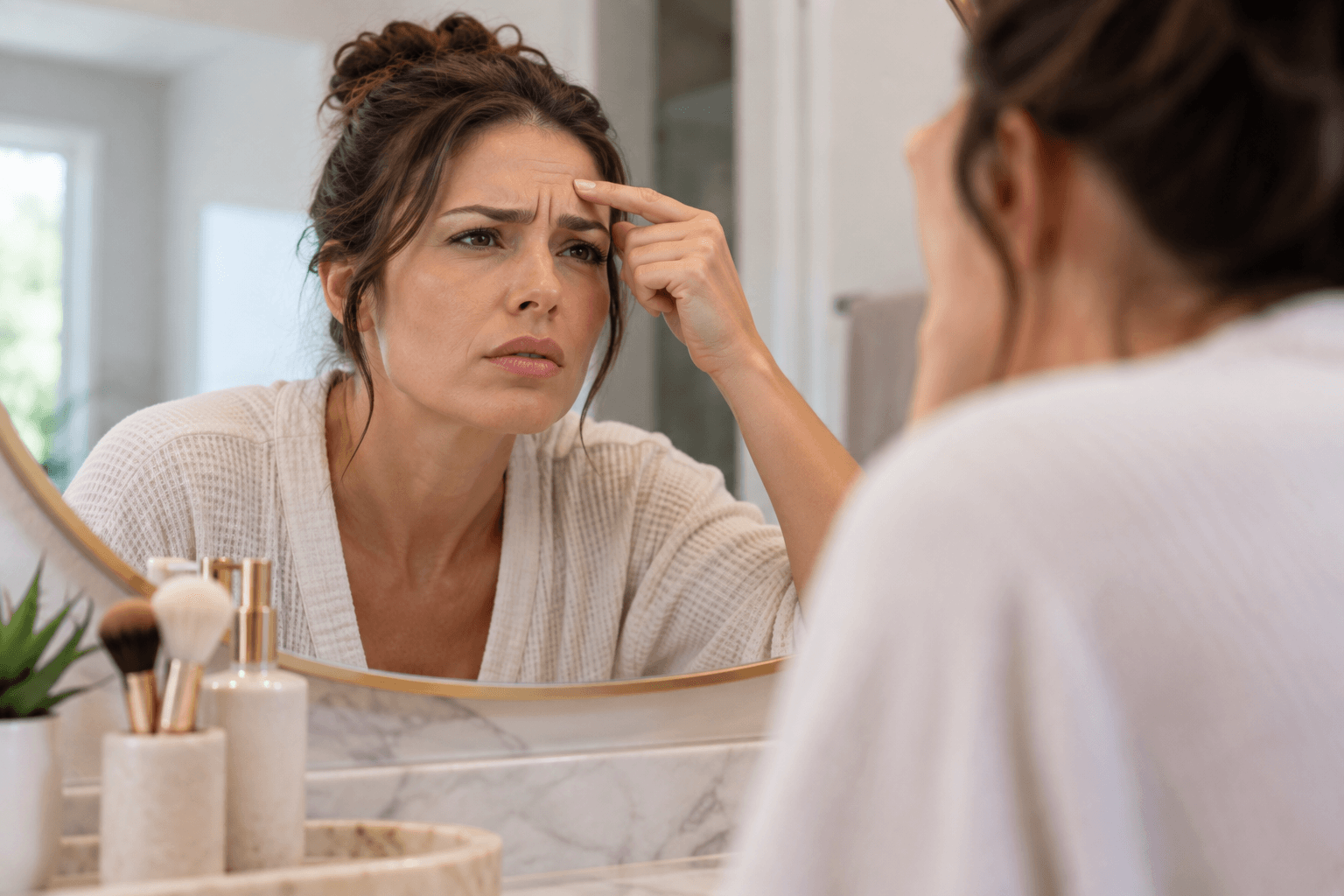
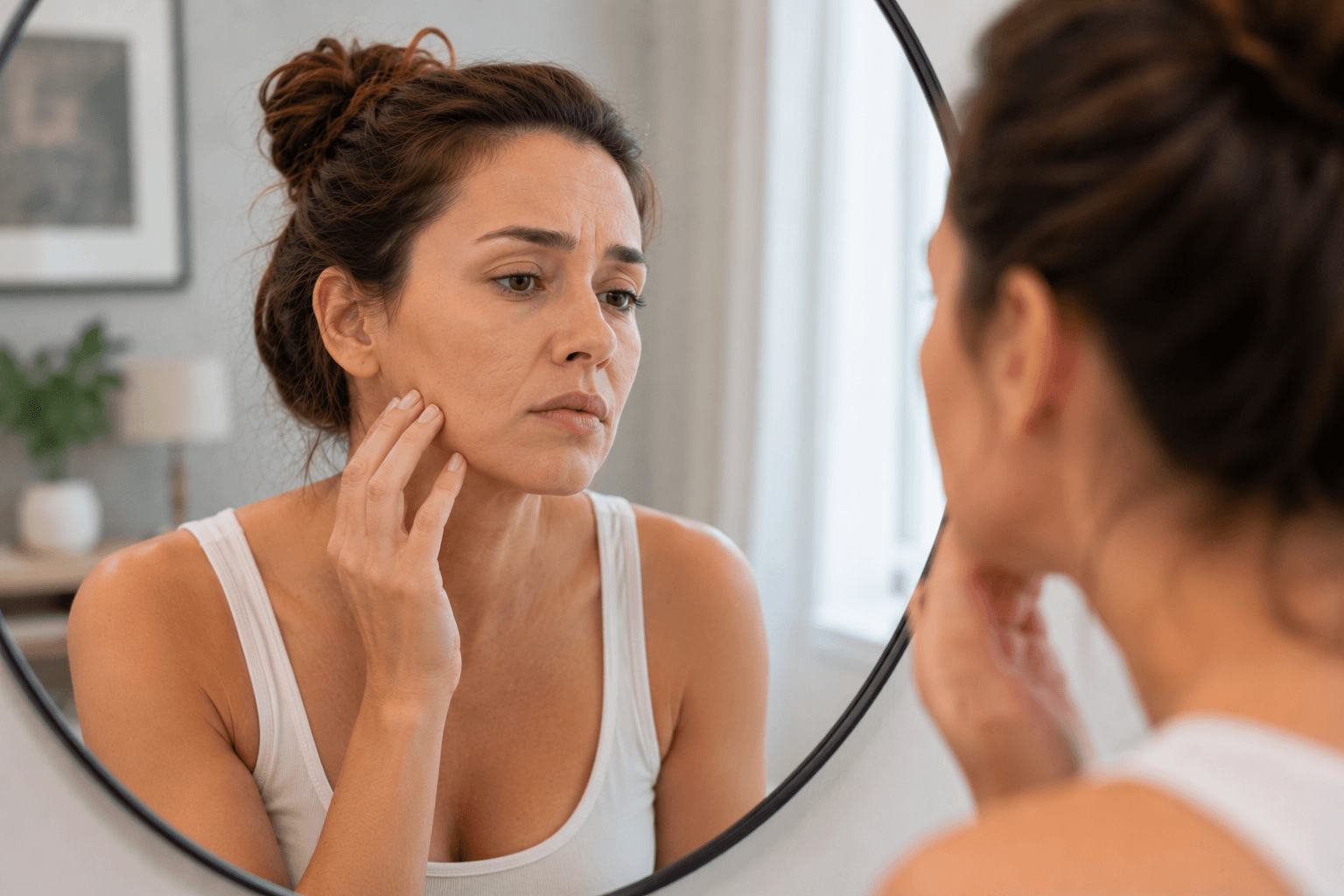
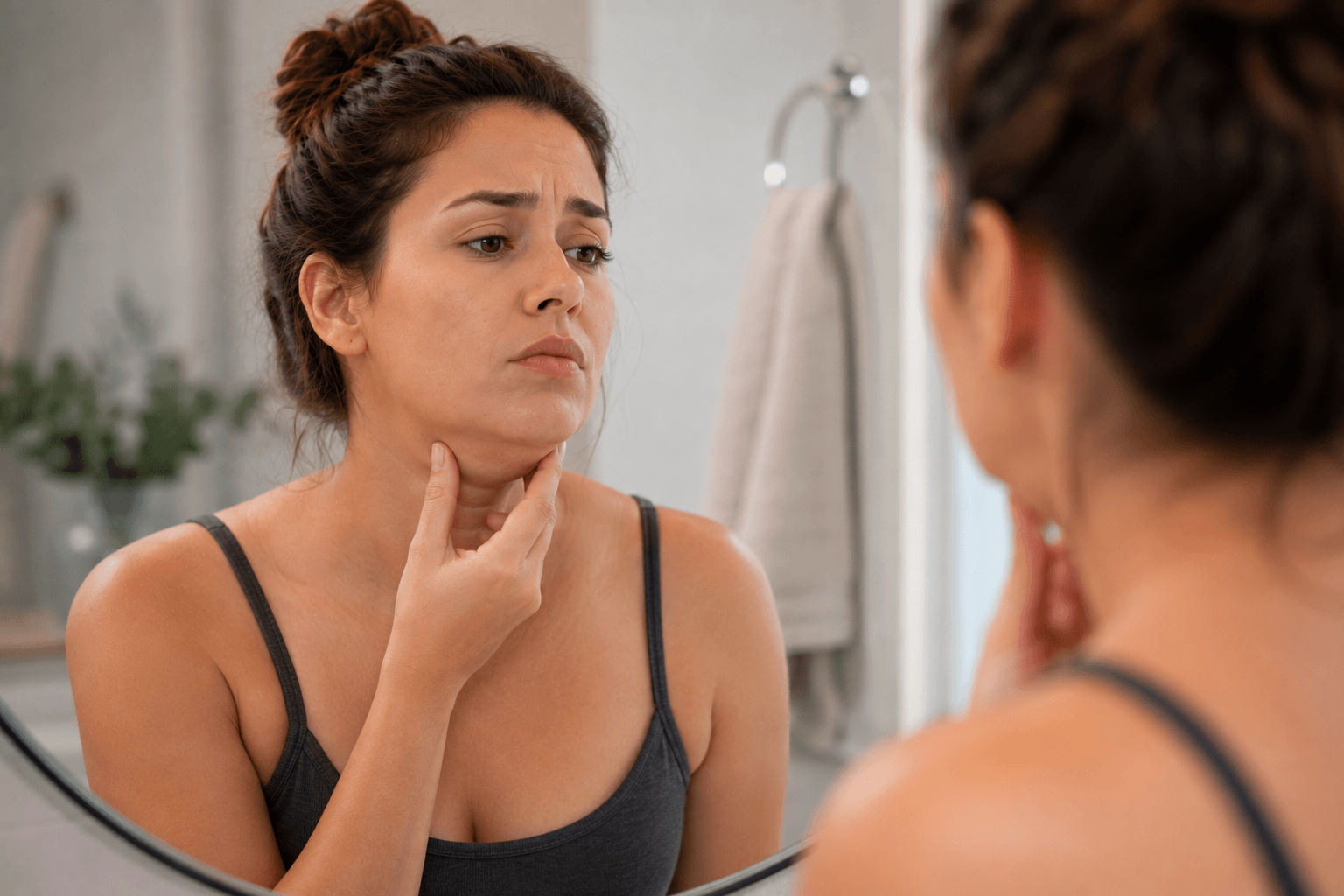
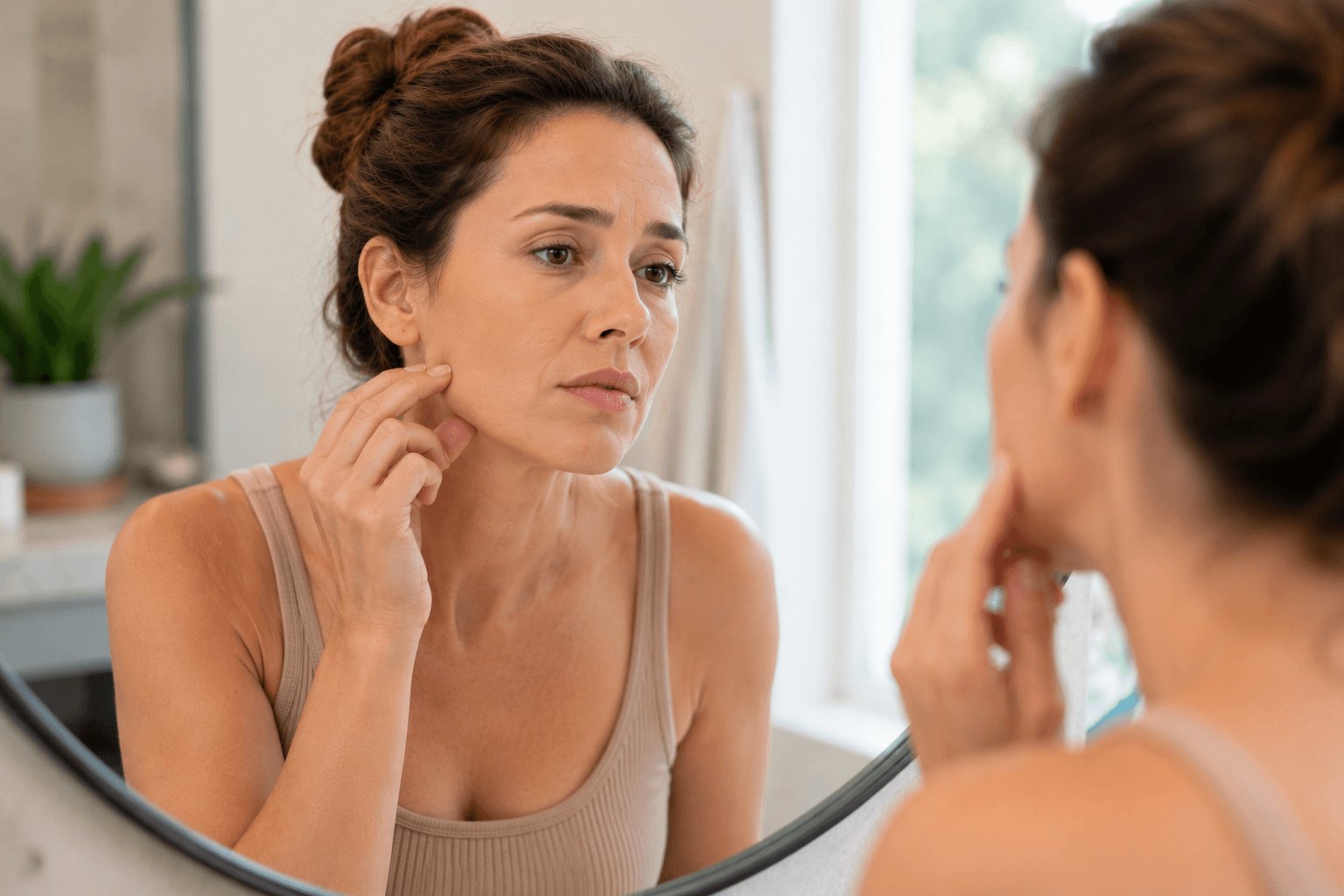
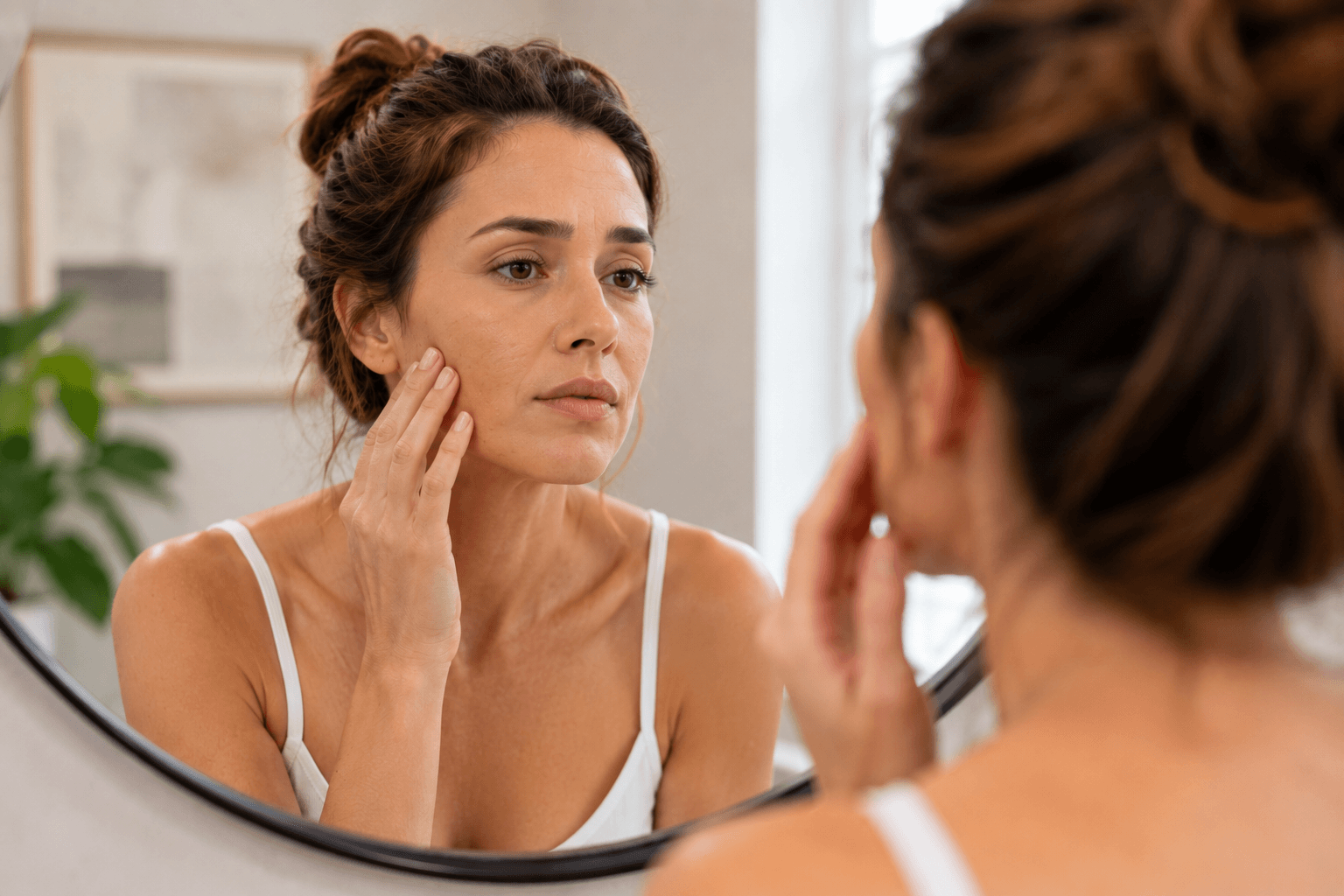
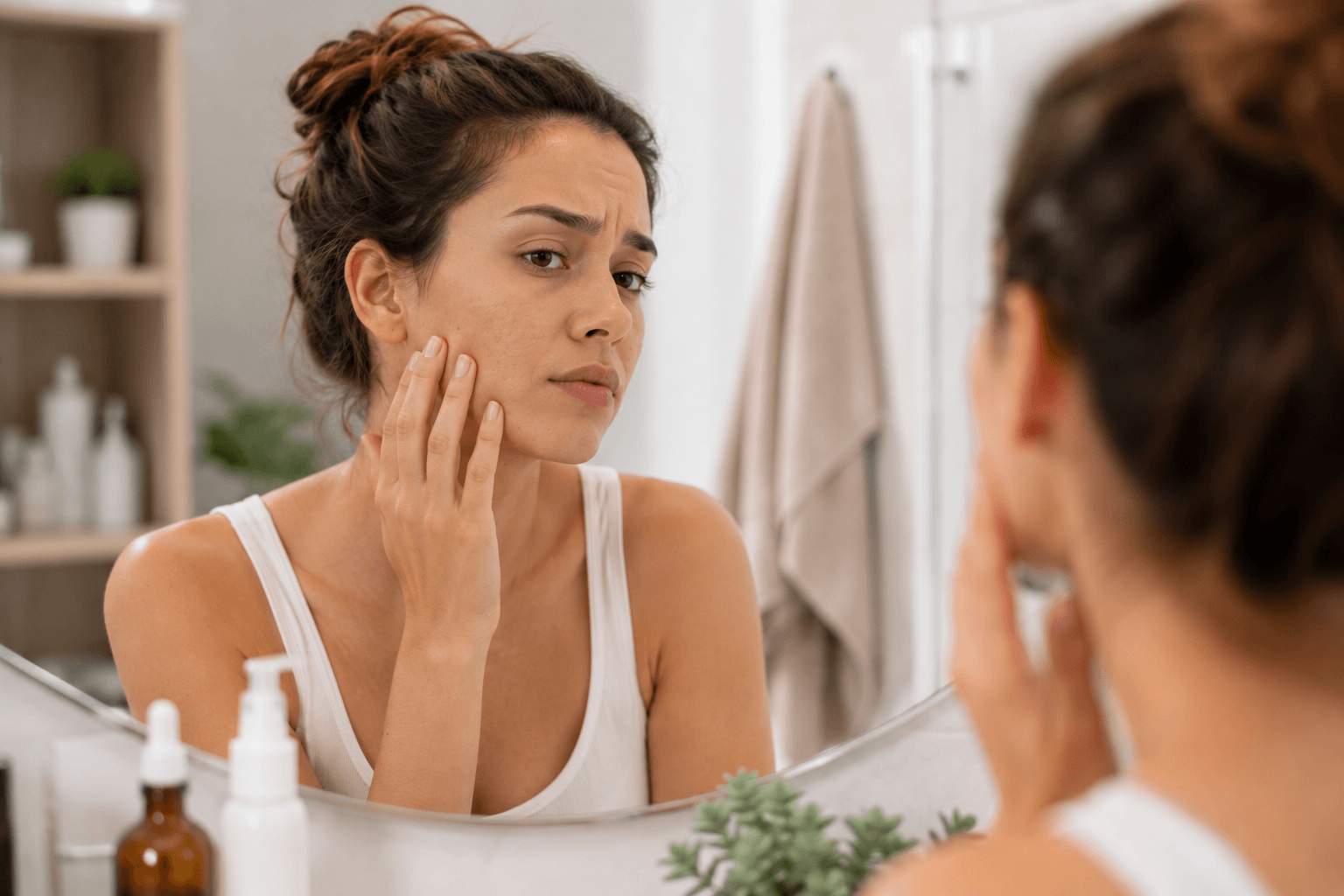
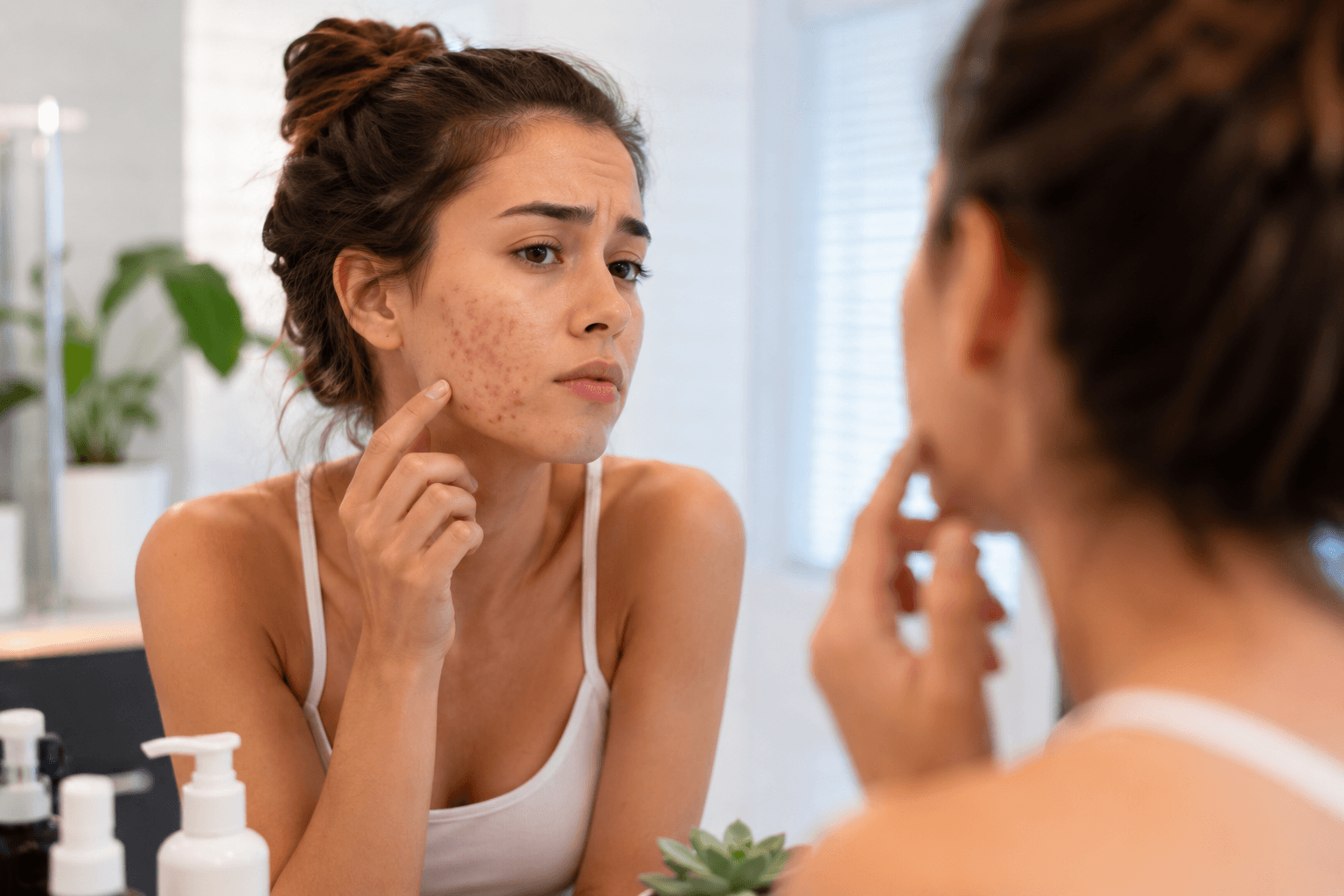
Somewhere between the sleepless nights and the endless mental checklist of caring for a newborn, a lot of new moms catch their reflection and notice something unexpected. Their face looks different. Not just tired in the obvious, temporary sense, but different in a way that seems to have settled in more permanently since before pregnancy. Deeper lines across the forehead, a crease between the eyebrows that did not used to be there, a general look of strain that a good night of sleep does not seem to fix.
If this sounds familiar, you are noticing something real, and it has an explanation that goes well beyond simple exhaustion. Understanding what actually happens to skin during and after pregnancy can help you figure out what your options are, including when and how Botox might fit back into the picture once you are ready.
Pregnancy triggers enormous hormonal shifts, and those hormones affect far more than just your body's obvious physical changes. Estrogen and progesterone levels rise dramatically during pregnancy and then drop sharply afterward, and this fluctuation can affect skin elasticity, collagen production, and hydration levels in ways that are still being studied but are well documented anecdotally by new mothers and providers alike.
On top of the hormonal component, the physical and emotional demands of caring for a newborn play a real role too. Chronic sleep deprivation is known to affect skin's ability to repair itself overnight, and repeated stress related facial expressions, think furrowed brows during those long nights, can accelerate the same muscle driven line formation that happens gradually to everyone over time, just compressed into a shorter, more intense period.
A few patterns tend to show up repeatedly in the months following childbirth.
Deeper or more persistent forehead lines are one of the most frequently mentioned changes, often attributed to the sheer number of hours spent looking down at a baby with a slightly furrowed or concentrated expression.
More pronounced lines between the eyebrows, sometimes appearing for the first time or becoming noticeably deeper than before pregnancy, are another common concern.
Changes in skin texture and tone, including areas of hyperpigmentation known as melasma, or what is sometimes called the mask of pregnancy, can also persist well after delivery for some women.
A general sense of looking more tired or aged, even during periods when sleep has genuinely started to improve, is something many new mothers describe, which can be frustrating when the fatigue itself no longer fully explains the appearance.
This is worth understanding clearly. Some postpartum skin changes, like dullness or dark circles related to acute sleep deprivation, genuinely do improve as sleep gradually normalizes over the first year. Others, particularly lines that have become etched into the skin from months of repeated expressions or from hormonal effects on collagen and elasticity, tend to persist even after sleep and hormone levels have largely stabilized.
Distinguishing between the two is not always easy from the mirror alone, which is part of why so many new moms feel confused about whether what they are seeing will simply resolve on its own or whether it represents a more lasting change.
Many women report noticing changes gradually over the first several months postpartum, though timing varies quite a bit based on individual circumstances, including how physically demanding the early months of caring for a newborn have been. Some women notice changes as early as a few weeks after delivery, while for others it becomes more apparent closer to the six month or one year mark.
This is one of the most common and important questions new mothers ask, and the honest answer depends on a few individual factors. Botox is generally not recommended during pregnancy or while breastfeeding, out of caution rather than confirmed evidence of harm, simply because studies specifically involving pregnant or breastfeeding populations are limited and providers tend to take a conservative approach given the circumstances.
For women who are not breastfeeding, treatment can generally be considered once you have fully recovered from delivery and any postpartum complications have resolved, which is often discussed around the six week postpartum checkup with your OBGYN. For breastfeeding mothers, many providers recommend waiting until breastfeeding has ended, though this is a personal and medical decision that should always be discussed directly with both your OBGYN and your treatment provider before moving forward.
Being upfront about your postpartum timeline, whether you are currently breastfeeding, and any other relevant health history allows a provider to give you accurate, personalized guidance rather than a generic answer. At Envy Medspa, this conversation is treated as a standard and important part of any consultation with a new mother, ensuring that timing and treatment planning are handled thoughtfully and safely.
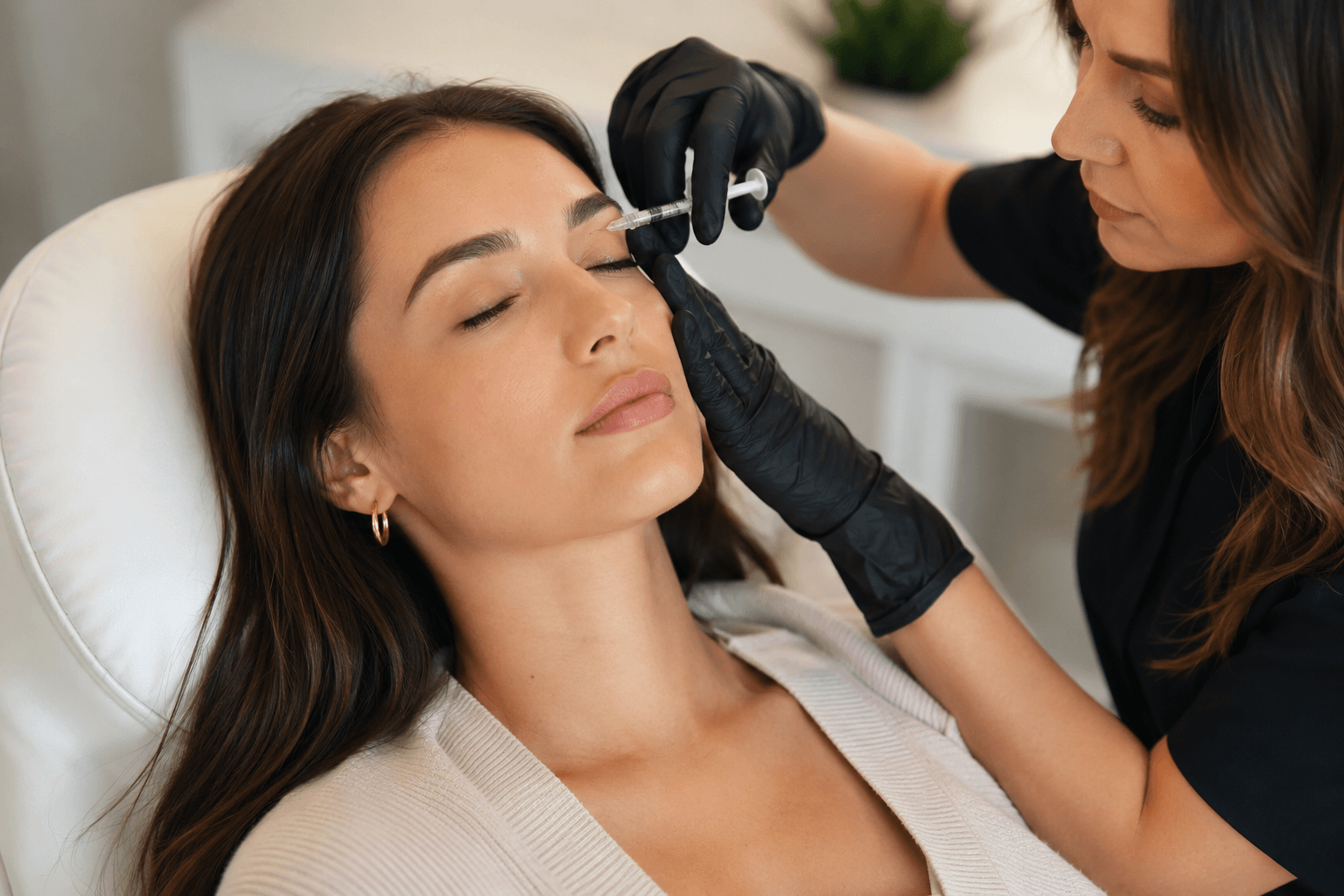
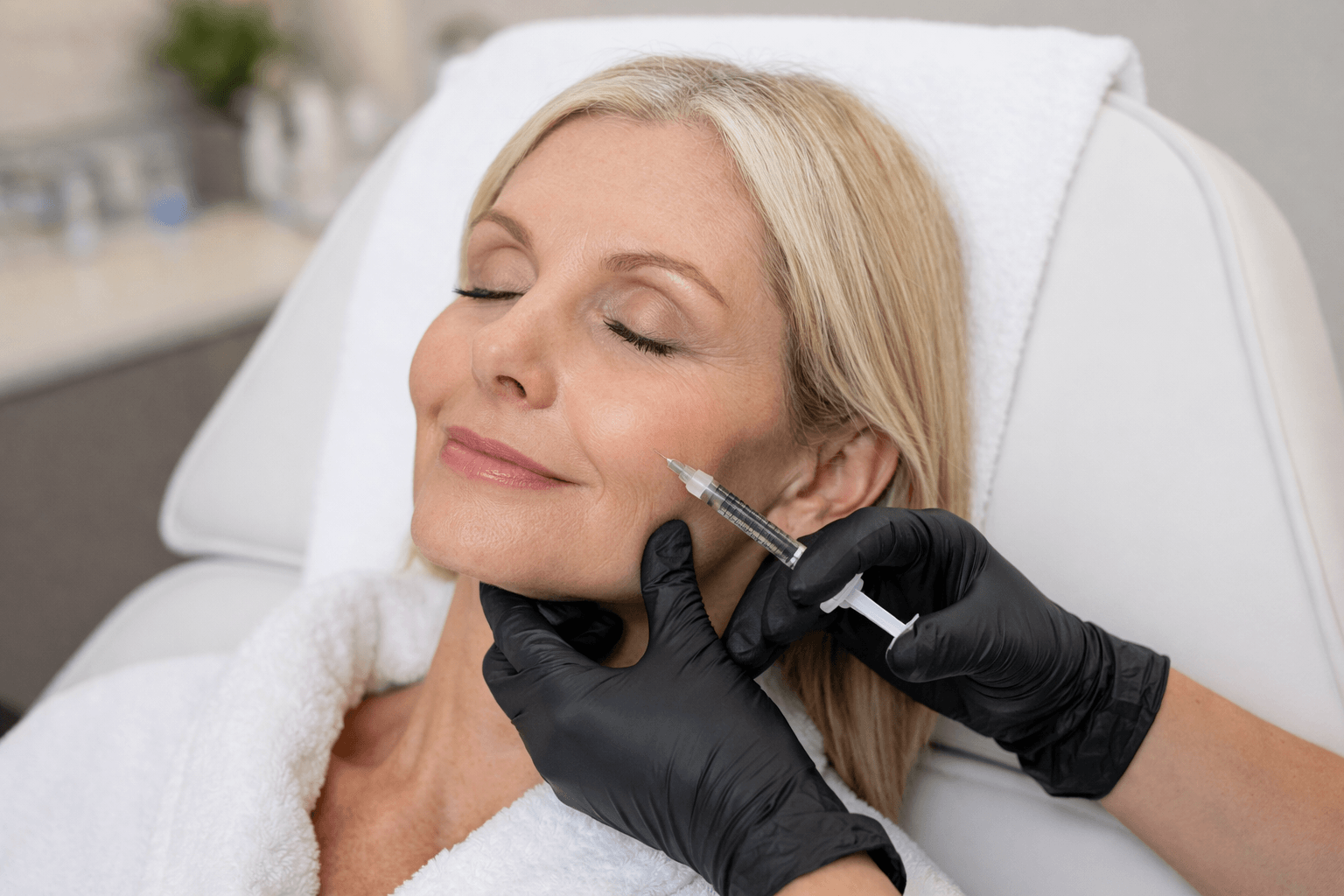
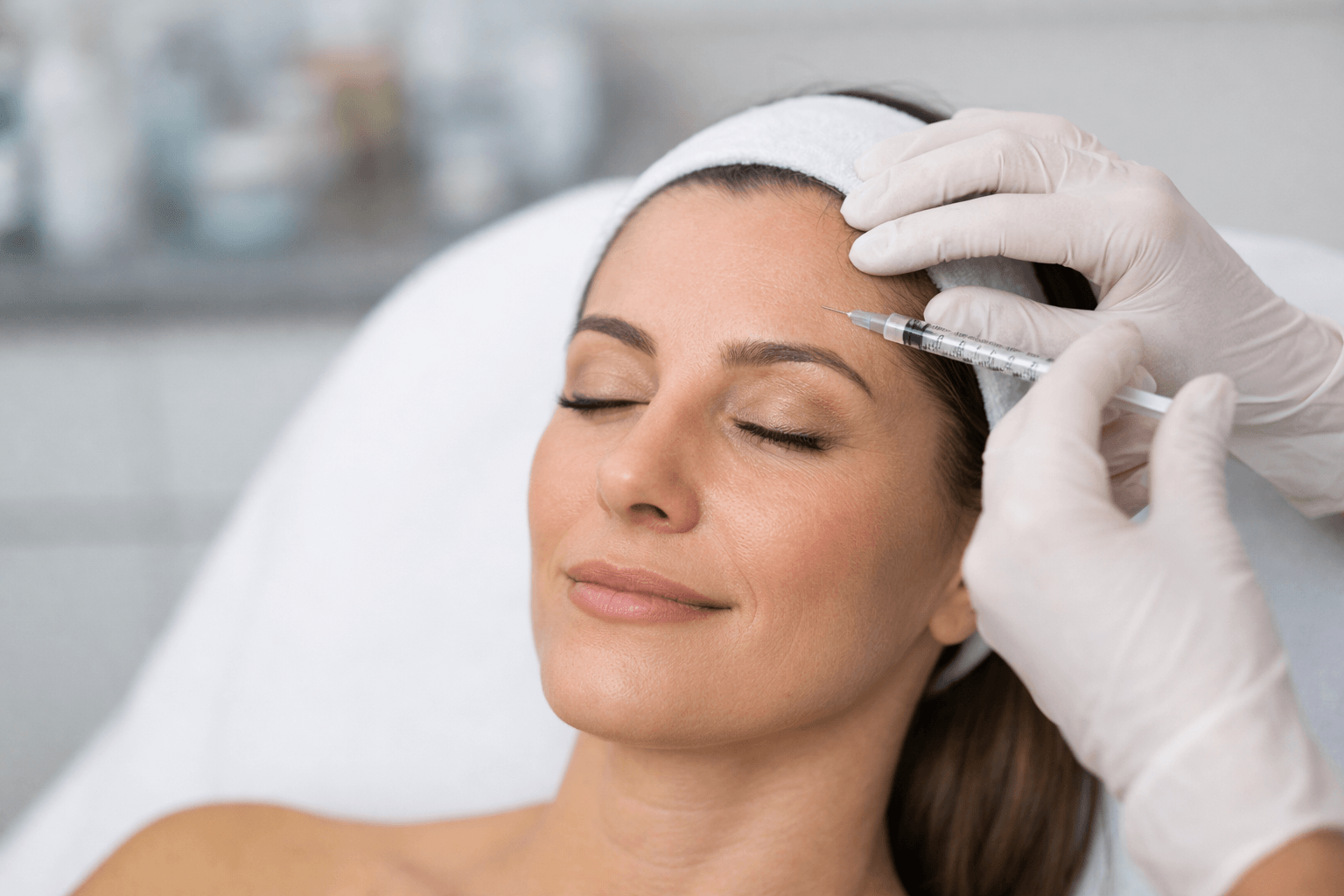
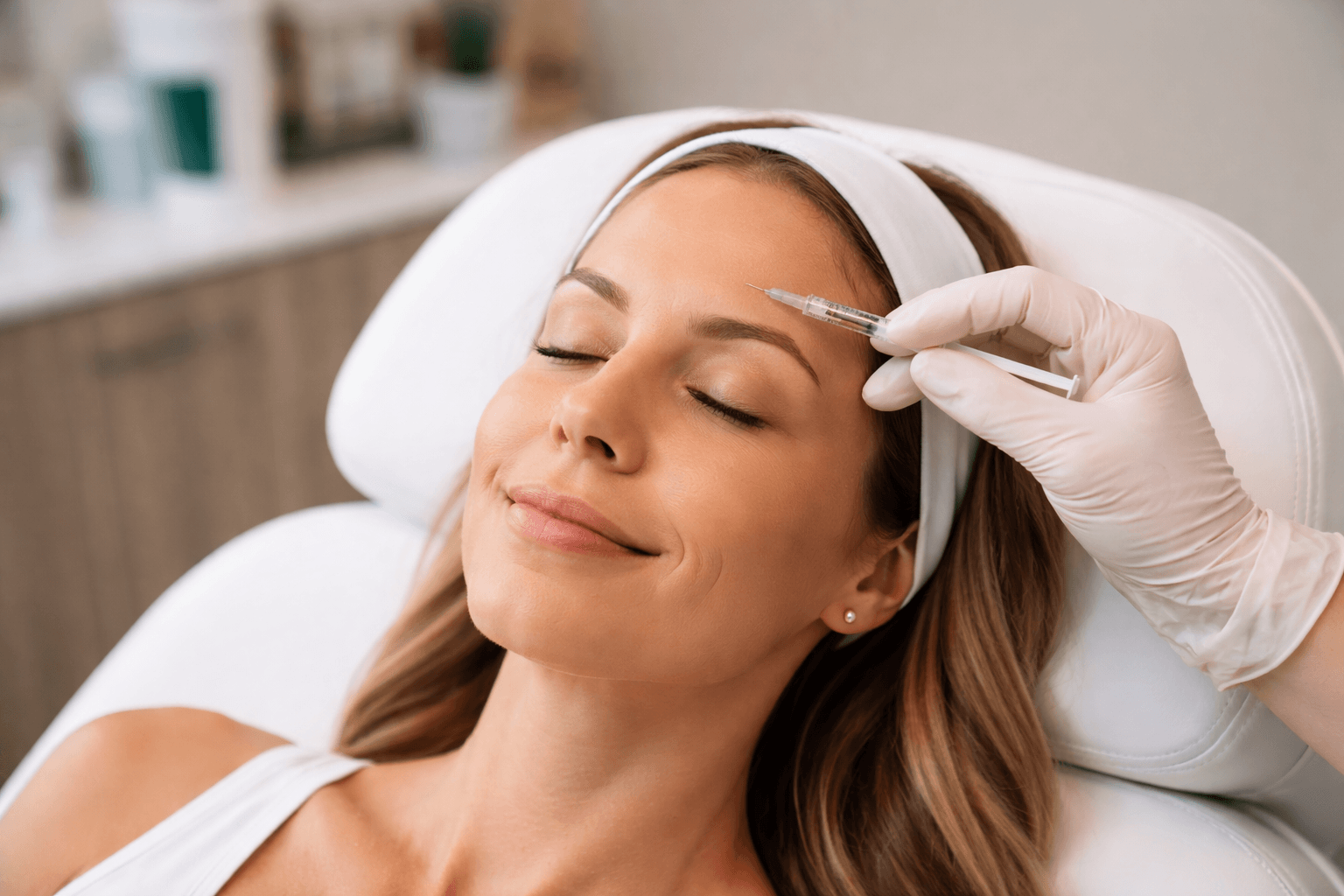
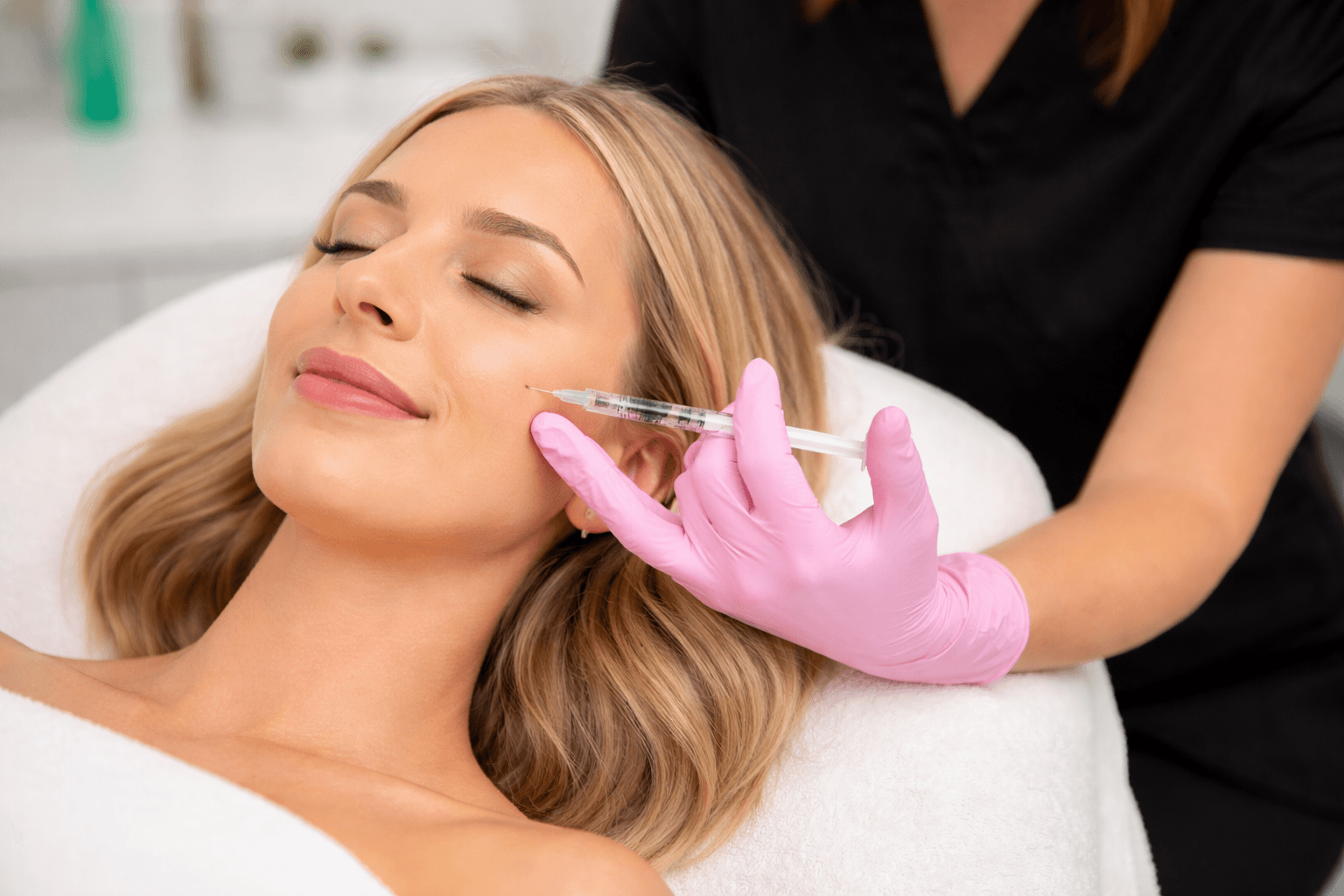
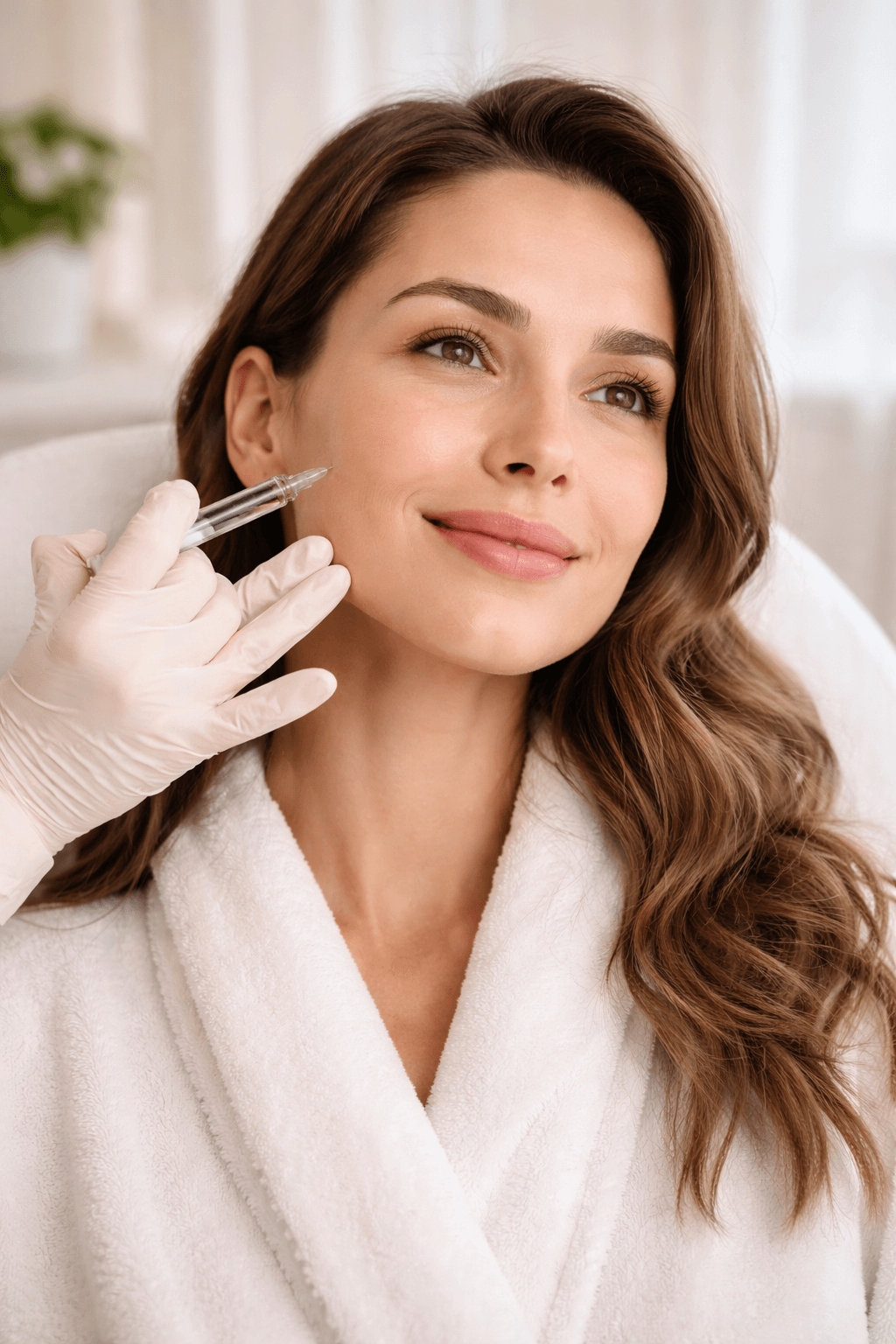
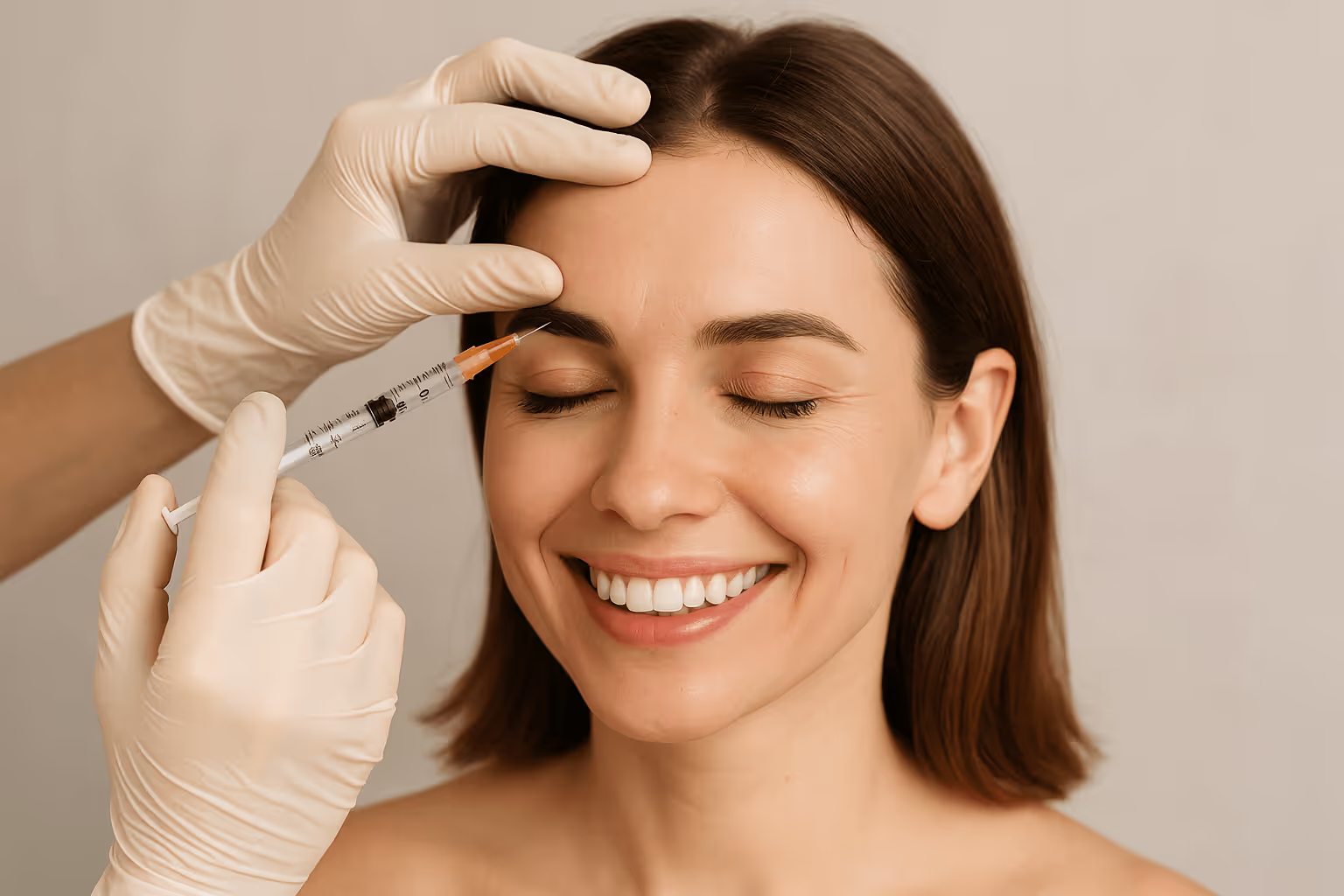
For lines and creases that have developed or deepened due to repeated muscle movement, whether from months of concentrated expressions or from general stress and fatigue, Botox works by temporarily limiting the activity of the specific muscles responsible. This allows the skin above those muscles to gradually smooth out over the following one to two weeks, addressing the visible line rather than the underlying cause of fatigue itself.
It is worth being clear that Botox will not resolve every postpartum skin concern. Issues like melasma or general skin texture changes are typically better addressed with other treatments, and a thorough consultation can help identify which specific concerns Botox is well suited to address and which might call for a different approach.
Completely. Many new mothers feel some hesitation or even guilt about prioritizing their own appearance during a period so focused on caring for a new baby. There is nothing unreasonable about wanting to feel more like yourself again, and taking a small amount of time for your own wellbeing, including addressing changes in your skin that have genuinely bothered you, is a completely valid and common choice among new mothers.
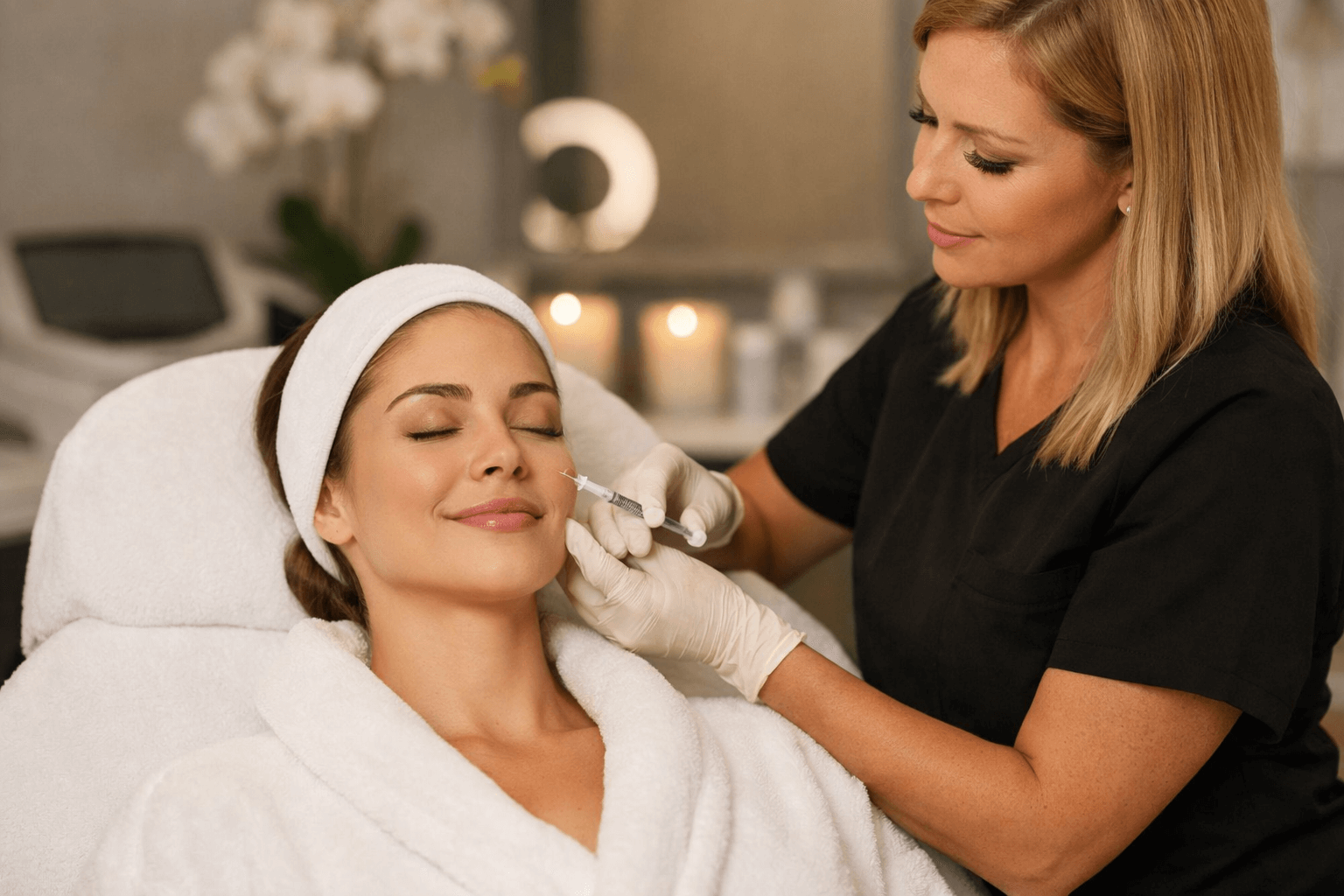
The treatment itself is quick, generally completed in well under an hour, with no significant downtime required afterward. Most women are able to return to normal activities, including caring for their baby, immediately following treatment. Visible improvement typically begins within three to five days, with full results settling in by around two weeks.
There is no single right time to consider Botox after having a baby, and every woman's postpartum experience, both physically and emotionally, looks a little different. What matters most is having an honest, judgment free conversation with a provider who understands the specific considerations involved for new and breastfeeding mothers, so you can make a decision that fits your own timeline and circumstances.
Envy Medspa offers thoughtful, individualized Botox consultations for new mothers throughout Wichita Falls who are ready to explore their options. Learn more about Botox and Dysport treatments, explore the concern of forehead lines and frown lines, or schedule a consultation to talk through what makes sense for your specific timeline.
This article was updated this September 2026 with current guidance for new mothers in the Wichita Falls area.
Is it safe to get Botox while breastfeeding? Most providers recommend waiting until breastfeeding has ended out of caution, since research specific to breastfeeding populations is limited. This should always be discussed with both your OBGYN and your treatment provider.
How soon after delivery can I get Botox if I am not breastfeeding? Many providers consider treatment once you have fully recovered from delivery, often discussed around the six week postpartum checkup, though this should be confirmed individually with your provider.
Will Botox fix all of my postpartum skin changes? Botox specifically addresses lines caused by repeated muscle movement. Other postpartum changes, like melasma or general texture shifts, are typically better addressed with different treatments, which a consultation can help clarify.
Why do forehead lines seem worse after having a baby? Hormonal shifts during and after pregnancy, combined with sleep deprivation and repeated facial expressions during those early months, can accelerate the same line forming process that normally happens more gradually over time.
Is it normal to want to address these changes so soon after having a baby? Yes, many new mothers choose to address postpartum skin concerns once they feel ready, and prioritizing this alongside caring for a new baby is a completely reasonable and common decision.
Whenever you feel ready, an honest conversation about your specific postpartum timeline and concerns is the best place to start. Envy Medspa is here to help you figure out what makes sense for you, on your own schedule.