
Hair grows in predictable patterns—until it doesn’t. For many people in Wichita Falls, the biggest surprise after an injury or surgical scar isn’t the scar itself, but the unexpected hair that appears long after the skin seems fully healed. Coarse strands, isolated patches, darker regrowth, or unusual density can show up on areas that were never noticeably hairy before. These changes aren’t often talked about, but they’re far more common than most people realize.
As medical aesthetics continues to evolve, more individuals are seeking solutions to manage stubborn, visually distracting, or uncomfortable post-injury hair growth. This is where laser hair removal Wichita Falls becomes part of the conversation—not as a beauty trend, but as a practical, confidence-restoring tool for people whose hair growth changed due to trauma, medical procedures, or past healing. This article was updated this month and year to share the latest insights on how modern technology can help those dealing with injury-related hair changes.
While every scar has a story, not everyone wants their skin to keep retelling it. Understanding why these changes happen, and what can be done about them, is the first step in taking back control of how your skin looks and feels.
When the body heals, it does far more than close a wound. Beneath the surface, nerve behavior, blood flow, collagen remodeling, and follicular responses all begin to shift. Sometimes the healing process activates dormant hair follicles or disrupts old growth patterns. The result? Hair that appears where it didn’t grow before—or hair that looks completely different from what used to be there.
Scars can create microenvironments on the skin where hair behaves unpredictably. Heat from inflammation, increased blood supply, or minor nerve changes can stimulate follicles. For some, the new growth is subtle. For others, it becomes highly noticeable—especially when it grows thicker or darker than surrounding hair.
Wichita Falls residents experience a wide range of scenarios that can lead to altered hair growth patterns, such as:
Even minor accidental cuts can lead to unexpected patches of hair years later.
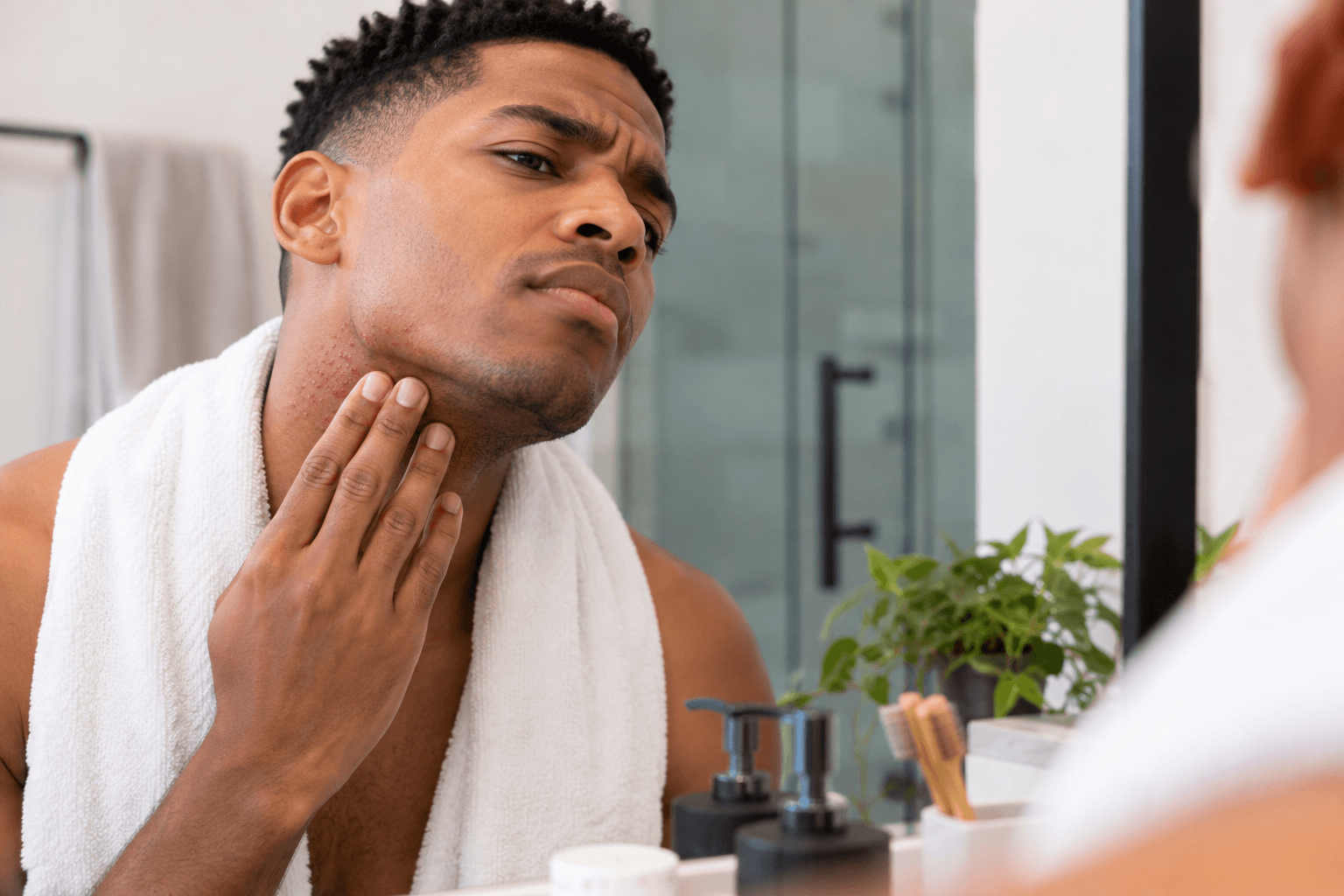
Post-injury hair growth isn’t always about aesthetics. Many people begin searching for options because shaving or waxing irritates the scarred area. Ingrown hairs can become painful. Textural changes make clothing uncomfortable. Over time, the emotional discomfort of highly visible hair on a healed scar can also affect confidence.
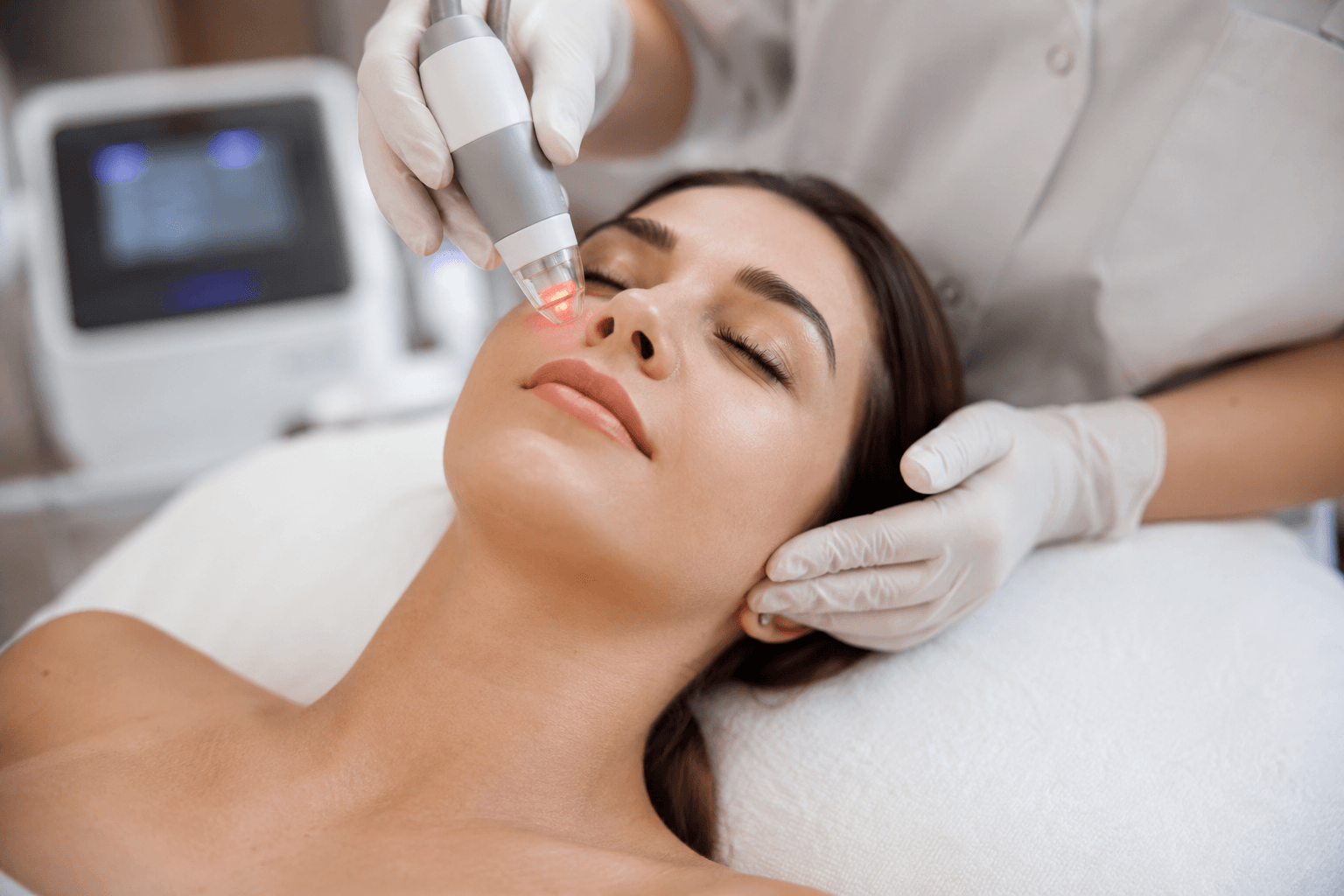
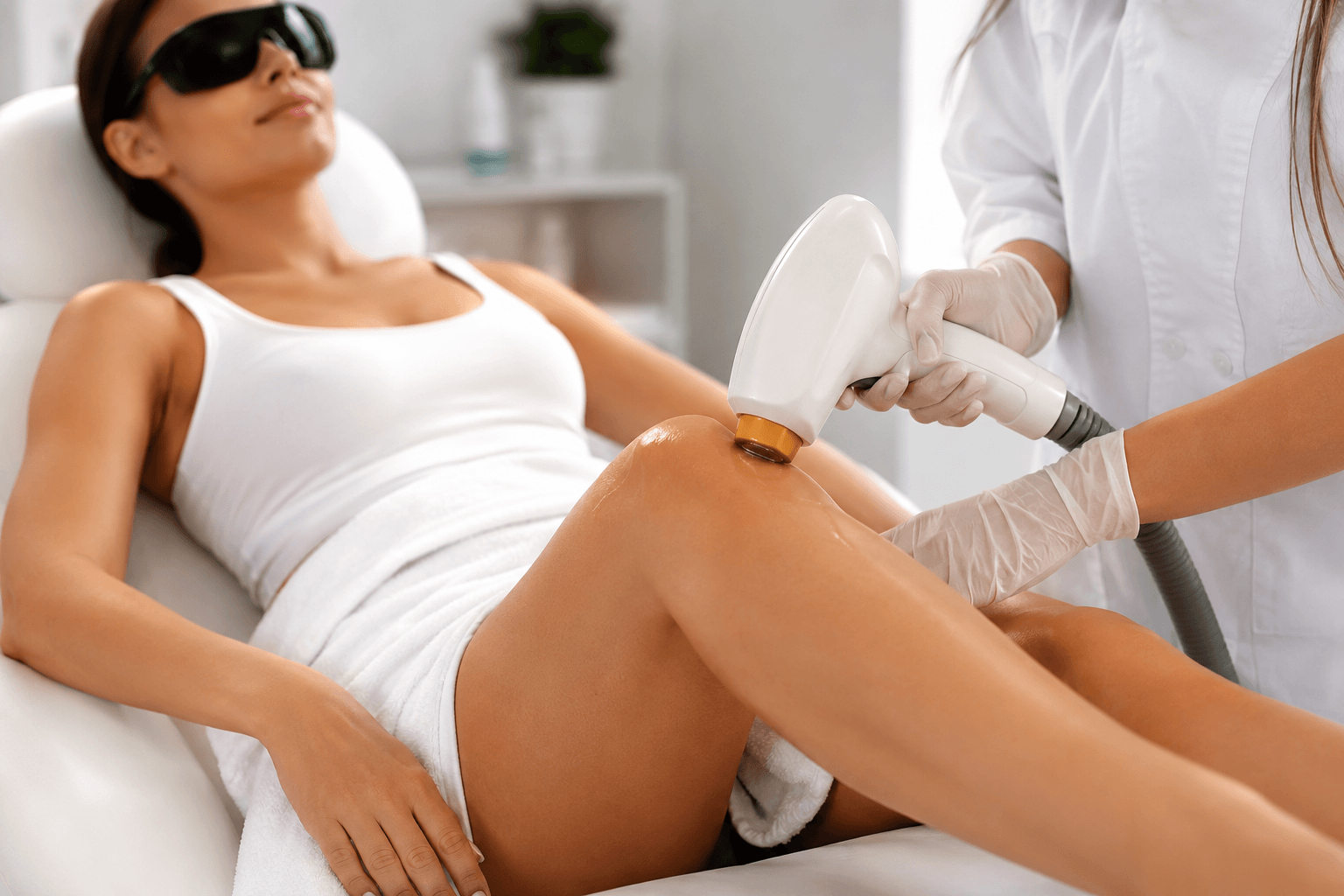
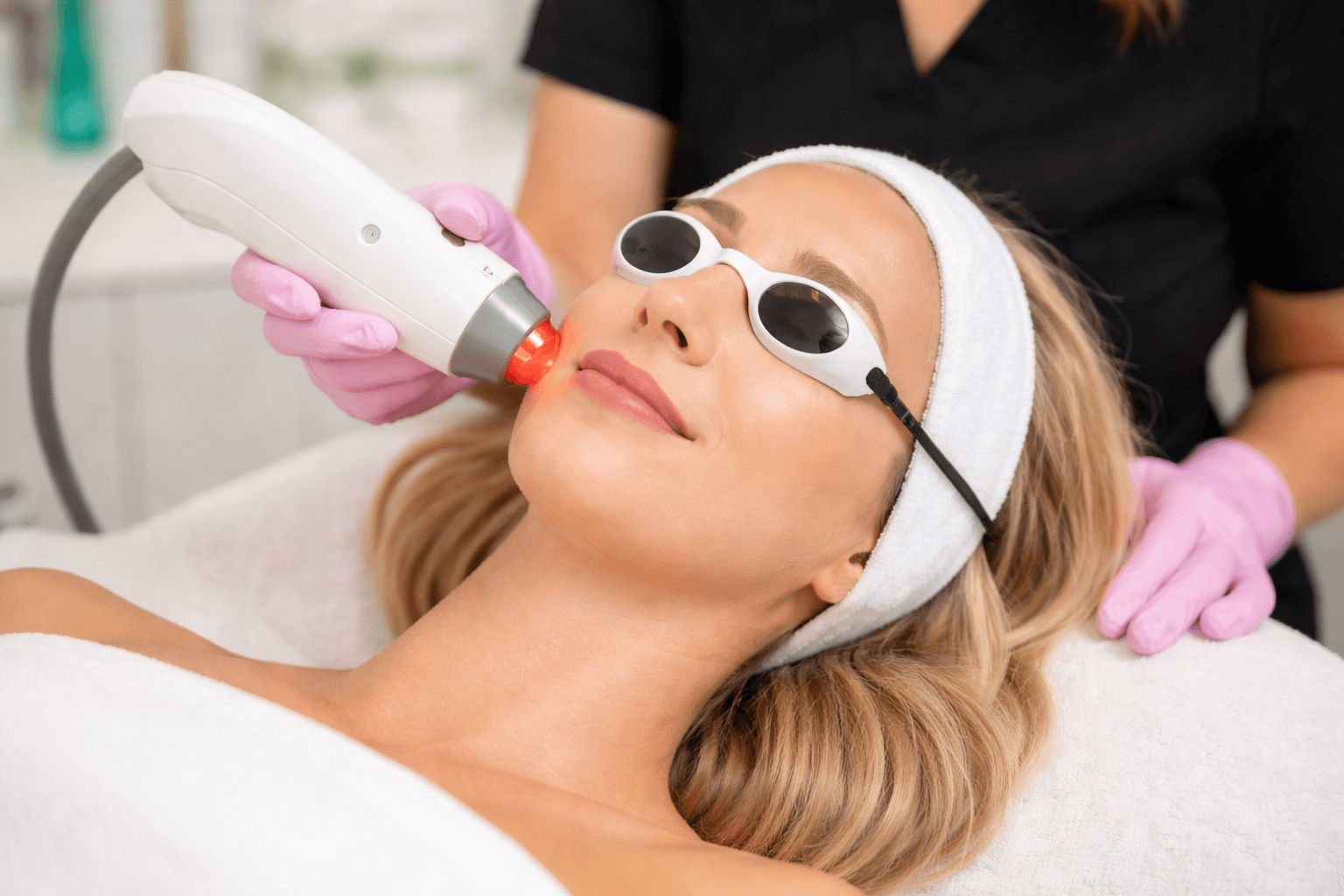
Modern laser hair removal technology is not just for large treatment areas like legs or underarms. Today’s devices allow for meticulous precision, making it possible to target small, isolated patches of post-injury hair without affecting the surrounding skin.
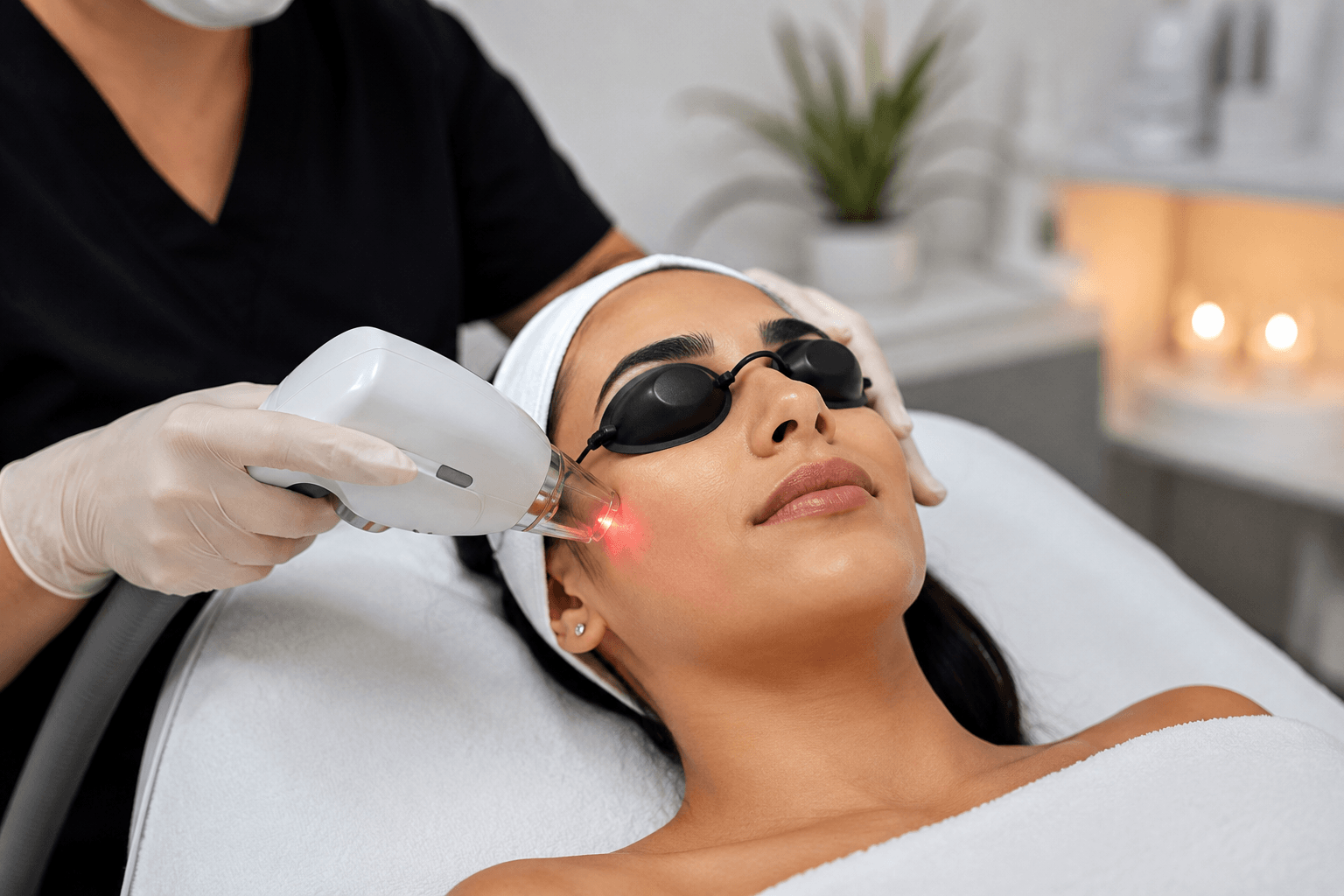
The laser energy can selectively target pigment within the hair follicle, allowing for controlled treatment—even when working close to delicate or uneven scar tissue. This makes it an appealing option for individuals who want a long-term reduction in hair growth rather than endless cycles of shaving or waxing.
Envy MedSpa uses technology designed to prioritize safety and comfort, especially when working around healed injuries. The team evaluates each area closely, considering factors such as:
By tailoring settings to these details, clients experience a treatment that feels intentional, controlled, and aligned with their goals.
Most clients describe treatment as a quick, warming sensation with intermittent snaps of energy. Sessions are usually brief, especially for small concentrated areas of post-injury growth. Clients can typically resume normal activities immediately afterward.
The advantages extend beyond smoother skin. When someone has been dealing with months or years of shaving discomfort, frustration with ingrown hairs, or self-consciousness about unexpected hair growth, the improvement can be genuinely transformative.
Shaving over scar tissue often leads to bumps and irritation because the surface of the skin isn’t perfectly smooth. Laser reduction removes the need for repeated shaving, which dramatically decreases inflammation over time.
Reducing coarse or patchy hair can soften the look of a scar and help it blend more naturally with the surrounding skin. While laser treatments don’t change the structure of the scar itself, the overall appearance often becomes more balanced.
Laser reduction is designed to provide long-lasting results. While periodic maintenance may be needed for some, most clients experience significant hair thinning after a series of sessions. For individuals dealing with hair patterns that developed due to an injury, this can feel like a major relief.
Safety is essential when treating hair around previously injured areas. Not every scar is ready for treatment immediately, and proper evaluation ensures the best results.
In most cases, the scar must be fully healed—no redness, no scabbing, no sensitivity. Mature scars respond more predictably to treatment. The timeline varies, but many individuals are surprised to learn that older scars often respond just as well as newer ones.
Scar tissue absorbs heat differently than uninjured skin. This is why at-home devices are not recommended for these situations. A professional assessment ensures the laser settings are calibrated correctly based on the scar’s characteristics and your skin type.
Modern laser systems often include built-in cooling features designed to reduce discomfort. Adjustments can also be made in real time to ensure the treatment feels comfortable and controlled.
Although everyone’s experience is different, certain patterns are common among clients seeking help in Wichita Falls.
Incisions from knee replacements, ACL repairs, abdominal surgeries, or orthopedic procedures often create narrow lines where hair growth becomes unexpectedly dense.
Burns—whether mild or significant—can disrupt hair follicles in unpredictable ways, sometimes producing patchy or coarse regrowth.
As the skin matures, old injuries can suddenly become more textured or hairy, prompting people to look for modern solutions.
Scrapes or lacerations from athletics may eventually develop irregular hair growth patterns, especially in areas that experience friction.
Envy MedSpa has become a trusted destination for individuals looking for well-executed treatments performed with precision and care. Clients appreciate that the team takes the time to understand not just where the hair is growing, but why it’s happening and how to treat it sensitively.
From modern technology to personalized plans, the experience is designed to help people feel more comfortable and confident in their skin.
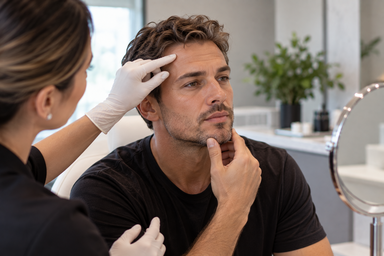
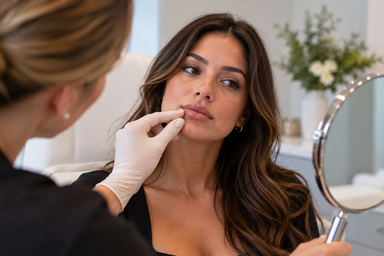
Scheduling a consultation allows clients to discuss their concerns, ask questions, and explore treatment options tailored to the behavior of post-injury hair growth. During your visit, the team will evaluate the area, explain what to expect, and outline a recommended treatment plan.
Whether addressing a small patch or a concentrated line of coarse hairs, the process is straightforward, comfortable, and designed to produce lasting improvement.
Laser technology can significantly reduce unwanted hair that forms around healed injuries by targeting active follicles without affecting the surrounding skin. Many clients notice a visible improvement after just a few sessions, depending on the density and coarseness of the hair.
Yes. Once a scar is fully healed, the treatment can be safely performed with proper evaluation. Professionals adjust settings to accommodate sensitive areas and ensure that the skin receives controlled, effective energy.
Because post-injury hair can be more concentrated or coarse, most clients require multiple sessions for optimal results. The exact number varies based on hair thickness, skin type, and the age of the scar.
While laser hair removal does not alter scar tissue, reducing dense or dark hair can make the area appear smoother and more uniform, which often improves overall confidence.
Clients are usually instructed to shave the area, avoid sun exposure, and refrain from waxing or plucking beforehand. These steps help ensure the laser targets the follicle effectively.
Most people enjoy long-lasting reduction after completing a treatment series. Occasional maintenance sessions may be recommended depending on how the follicles respond over time.











.png)
.png)




































.avif)



.jpg)