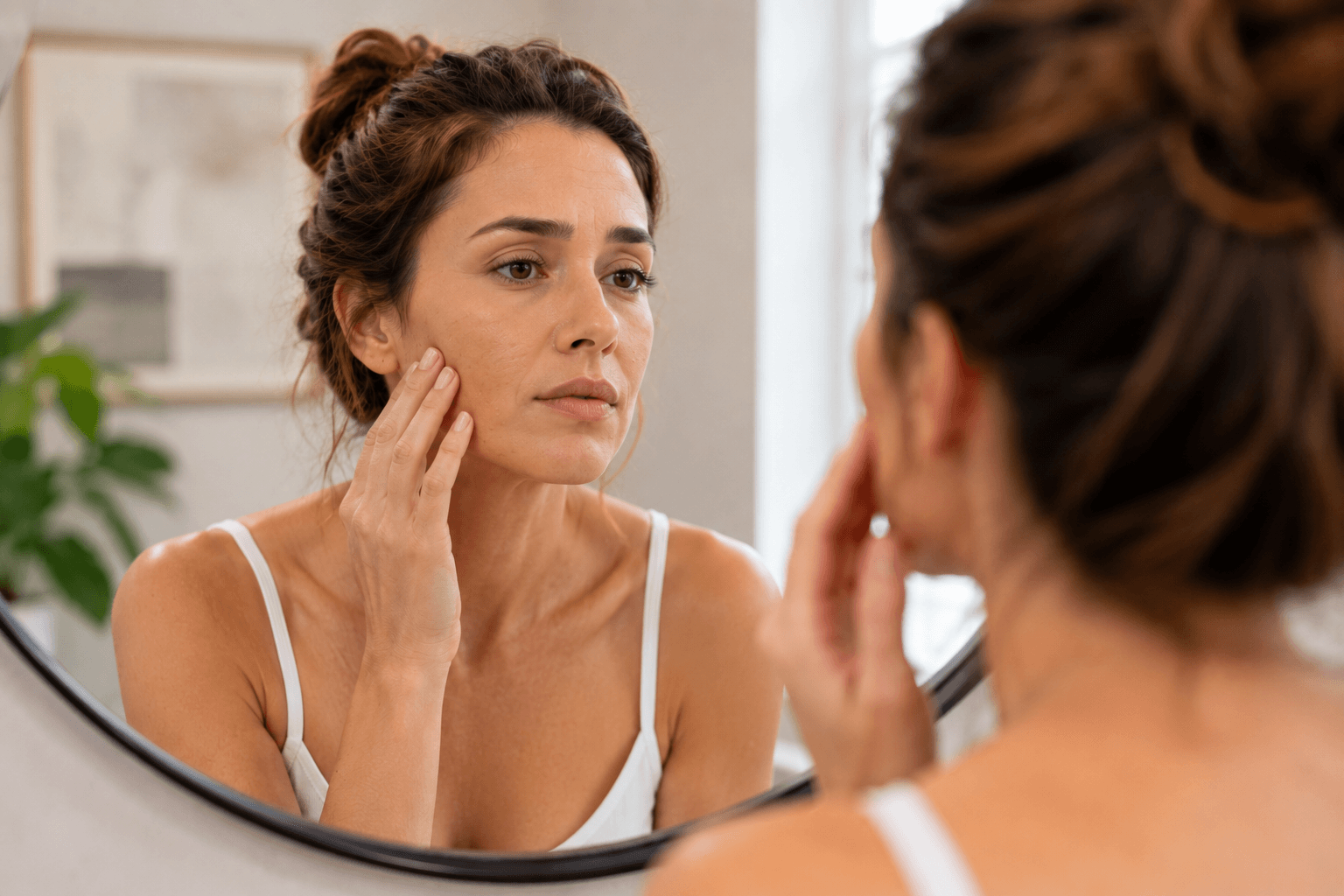
Have you caught your reflection lately and felt like something looked off, even though you couldn't quite name it? Maybe your cheeks seem flatter, the lines beside your nose and mouth look deeper, or your lips have gotten a little thinner over the years. You're not imagining it, and you're definitely not alone. Many of our patients here in Wichita Falls describe this exact feeling long before they ever hear the words dermal filler. They just know their face doesn't match how they feel on the inside anymore.
Updated for August 2026, this guide walks through what's actually happening beneath the surface of your skin, why it happens, and what your options look like once self care alone isn't cutting it anymore.
The honest answer is collagen and fat pads. Your face isn't just skin stretched over bone. It's supported by layers of fat, muscle, and connective tissue that give your cheeks their roundness and your lips their fullness. Around your mid to late twenties, collagen production begins a slow decline, roughly one percent per year. That might not sound like much, but it adds up quietly over a decade or two.
At the same time, the fat pads in your face that once sat high on the cheekbones begin to shift and shrink. This is different from weight loss elsewhere on the body. It's a structural change, and it's the reason two people the same age can look noticeably different depending on genetics, sun exposure, and lifestyle.
Most people notice the early signs long before they think to call it aging. Fine lines that show up when you smile but used to disappear right after. Skin that seems to fold rather than bounce back. A subtle flattening across the cheeks that makes your face look a little more square or tired in photos. These are usually the first hints that collagen production is slowing down and that the support structure of your face is starting to change.
Yes, to a degree, but the rate and pattern varies a lot from person to person. Sun exposure speeds it up considerably, which matters here in North Texas where UV exposure runs high for much of the year. Smoking, chronic stress, rapid weight fluctuations, and even genetics all play a role in how quickly your face loses its natural fullness. Some people notice changes in their early thirties, while others don't see significant volume loss until their late forties or fifties.
Hollow cheeks often get blamed on weight loss, but that's only part of the story. Even people who haven't lost weight can develop a sunken look in the midface simply because the deep fat compartments beneath the skin thin out over time. This is one of the more frustrating changes because it affects the overall structure of the face, not just the surface. When the midface loses volume, it can also make nasolabial folds (the lines running from the nose to the corners of the mouth) look deeper, even if those lines themselves haven't changed much.
Think of your face like a couch cushion. When it's fully supported underneath, the cover looks smooth. As the cushion loses its fill, the cover starts to fold and sag in predictable places. That's essentially what happens with nasolabial folds and marionette lines, the creases that run from the corners of your mouth toward your chin. As cheek volume decreases and skin loses elasticity, gravity does the rest, and those lines become more pronounced.
Lip volume naturally decreases with age too. The vermilion border (the defined edge of the lip) softens, the lip flattens, and the little lines above the upper lip, sometimes called smoker's lines even in people who've never smoked, become more noticeable. Genetics plays a big role here as well. Some people are simply predisposed to thinner lips as they age, regardless of sun exposure or lifestyle habits.
This is one of the most common questions we hear, and the honest answer is that skincare has real limits. A good routine with retinoids, peptides, and daily SPF can absolutely support collagen health and slow down further damage. Hydrating serums can plump the skin's surface temporarily. But none of these products can restore lost volume at a structural level. Skincare works on the surface. Volume loss happens underneath it, in the deeper layers of fat and connective tissue that topical products simply can't reach.
This is where a lot of people start to feel stuck. They're doing everything "right," yet the mirror tells a different story. That gap between effort and results is usually the moment people start researching options that go a layer deeper.
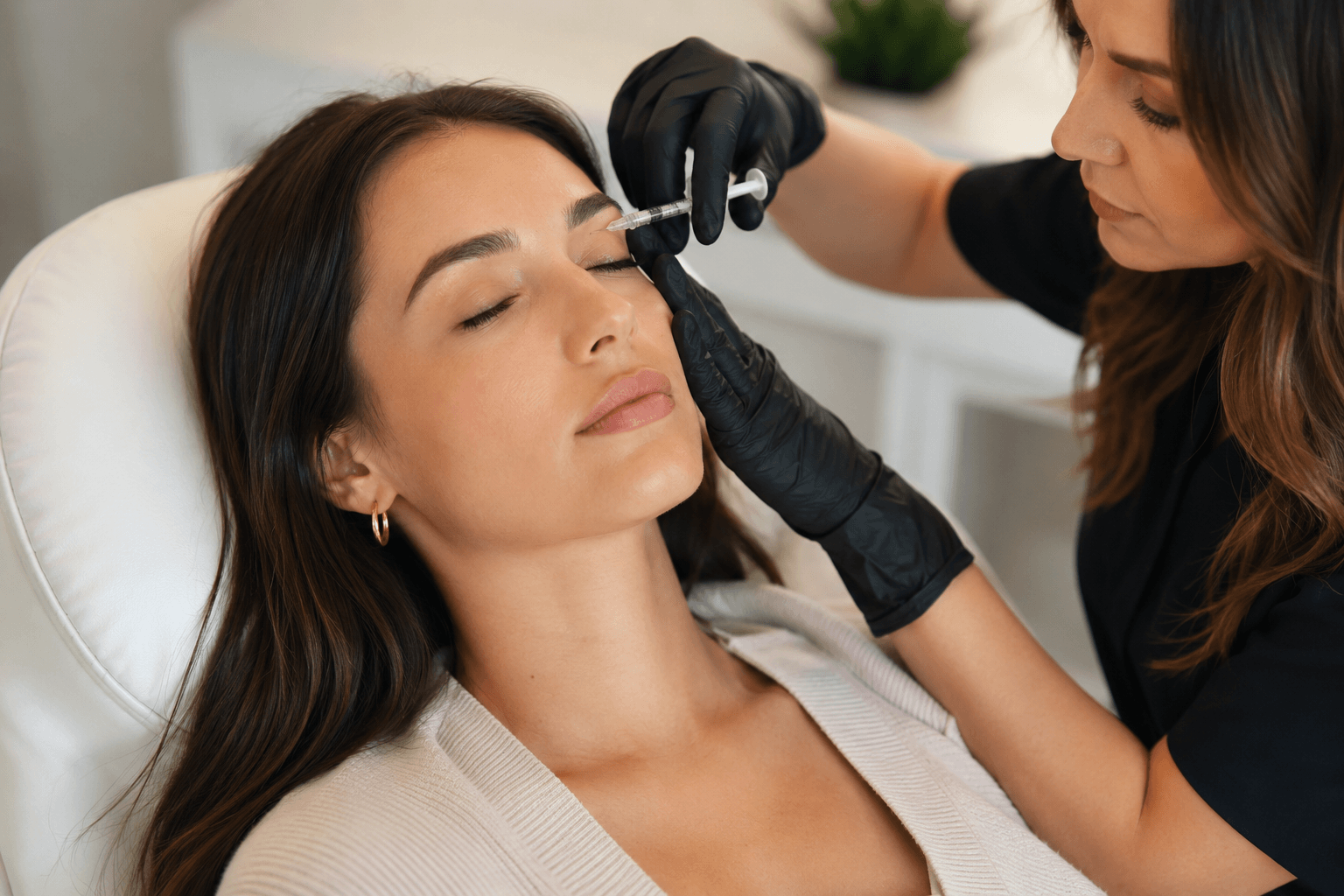
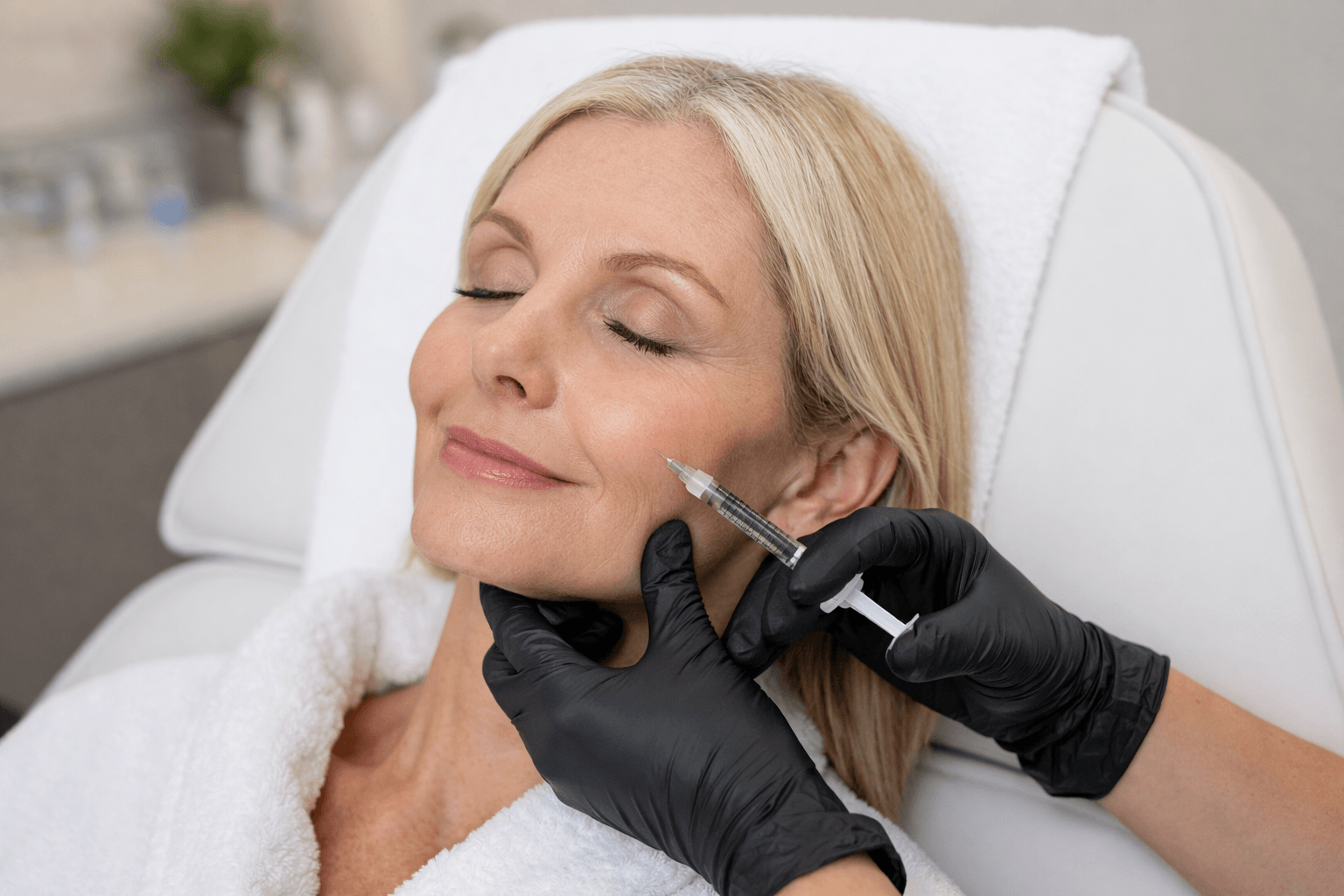
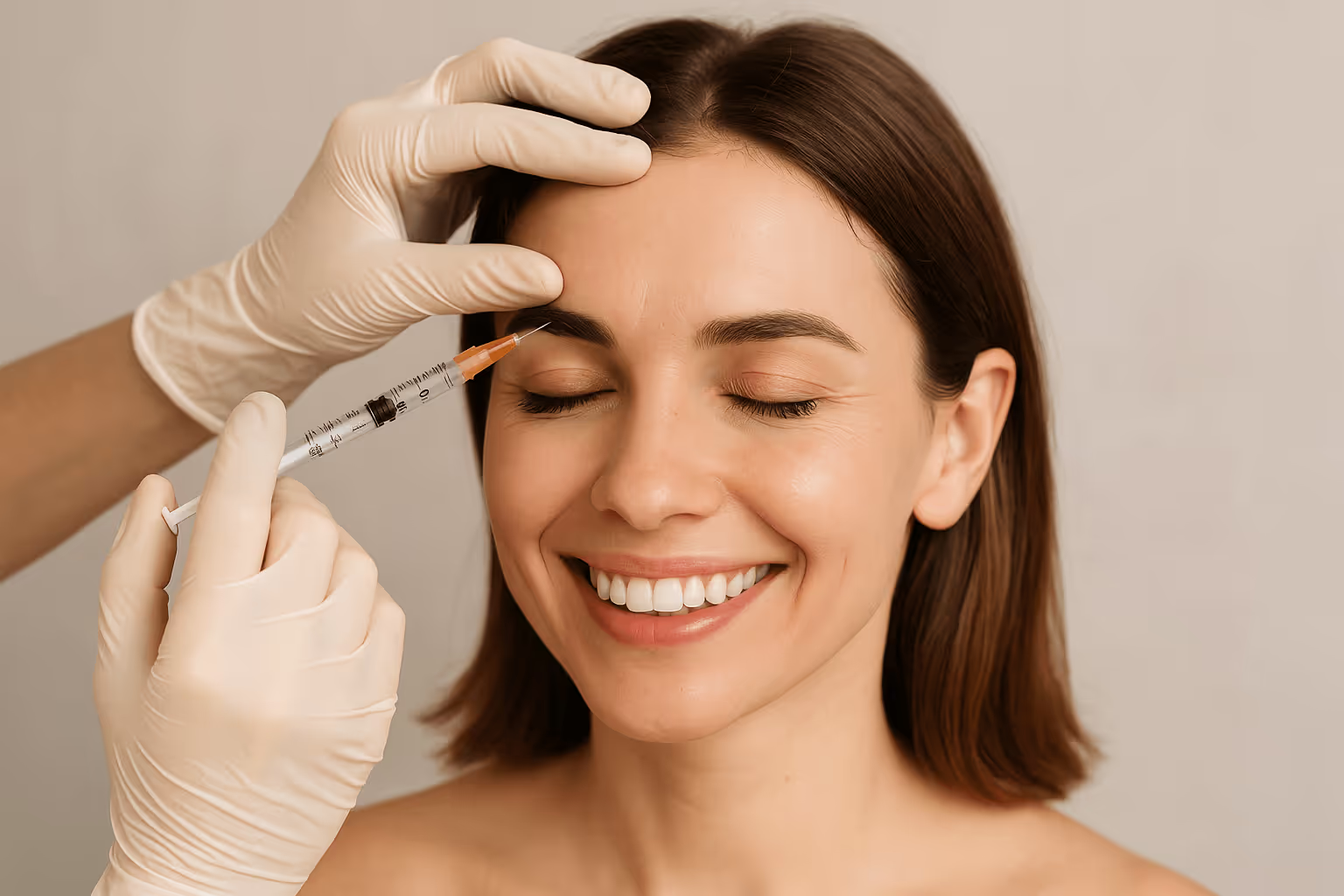
This is where dermal fillers come in as a genuine solution rather than a temporary patch. Fillers are typically made from hyaluronic acid, a substance your body already produces naturally to keep skin hydrated and full. When injected strategically into the cheeks, lips, or around the nasolabial folds and marionette lines, filler restores the structural support that's been lost, rather than just smoothing the surface.
At Envy Med Spa, our approach to dermal filler treatment starts with looking at your whole face, not just the one line or area that's bothering you. Restoring volume in the cheeks, for example, often softens nasolabial folds without ever touching that area directly, simply because the underlying support has been rebuilt. It's a more natural way to address aging, because it works with your face's actual anatomy instead of just filling in individual wrinkles.
For patients dealing with volume loss in the cheeks or midface, filler can restore that youthful contour and lift that gets lost over time. For thin lips, it can rebuild fullness and definition without looking overdone. And for unwanted wrinkles and fine lines around the mouth and nose, targeted filler placement smooths those creases from the inside out.
Most healthy adults noticing early to moderate volume loss are good candidates. You don't need to wait until the changes feel dramatic. In fact, many Wichita Falls patients get the most natural looking results by starting treatment when they first notice subtle changes, rather than waiting years. During a consultation, our team evaluates your facial structure, skin quality, and goals to determine which areas would benefit most, whether that's the cheeks, the lips, or a combination approach.
One of the appealing things about filler is how little downtime it requires. Most patients return to normal activities the same day, with some mild swelling or bruising at the injection site that typically resolves within a few days. Results are visible almost immediately, with final settling over one to two weeks as any minor swelling fades. This makes it realistic to schedule an appointment during a lunch break or before a weekend without major disruption to your routine, something a lot of busy Wichita Falls professionals appreciate.
How long do dermal fillers typically last? Most dermal filler treatments last anywhere from six months to two years, depending on the product used, the area treated, and your individual metabolism. Lip filler tends to break down a bit faster than cheek filler due to the constant movement of the mouth.
Do dermal fillers look natural or obvious? When placed by an experienced injector with attention to your unique facial anatomy, dermal fillers should look like a refreshed, more rested version of you rather than an obviously "done" appearance. The goal at Envy Med Spa is always subtle restoration, not dramatic change.
At what age should I start considering dermal fillers? There's no single right age. Some people begin noticing early volume changes in their early thirties, while others wait until their forties or later. It really depends on your skin, genetics, and how early you start noticing changes that bother you.
Can dermal fillers help with both cheeks and lips at the same visit? Yes, many patients combine treatment areas in a single appointment. Addressing cheek volume and lip fullness together often creates more balanced, harmonious results than treating just one area alone.
Is there a difference between dermal fillers and other injectable treatments? Yes. Dermal fillers add volume and structure, while other injectables like neuromodulators work by relaxing muscle movement that causes certain wrinkles. Many patients in Wichita Falls actually combine both approaches for a more complete result, depending on their specific concerns.
Noticing these changes in the mirror can feel a little unsettling, but understanding why they happen puts you back in control. Volume loss, hollow cheeks, deepening folds, and thinning lips aren't signs that you've done anything wrong. They're simply part of how facial anatomy shifts over time, and they're changes that respond well to the right approach.
If you've been noticing these shifts and wondering what your options are, our team at Envy Med Spa would love to talk through what's realistic for your face and your goals. You can explore our full range of injectable treatments or reach out to schedule a consultation with our Wichita Falls team. Plenty of local patients have already found their way back to feeling like themselves again, and we'd be glad to help you get there too.













.png)
.png)







































.avif)



.jpg)