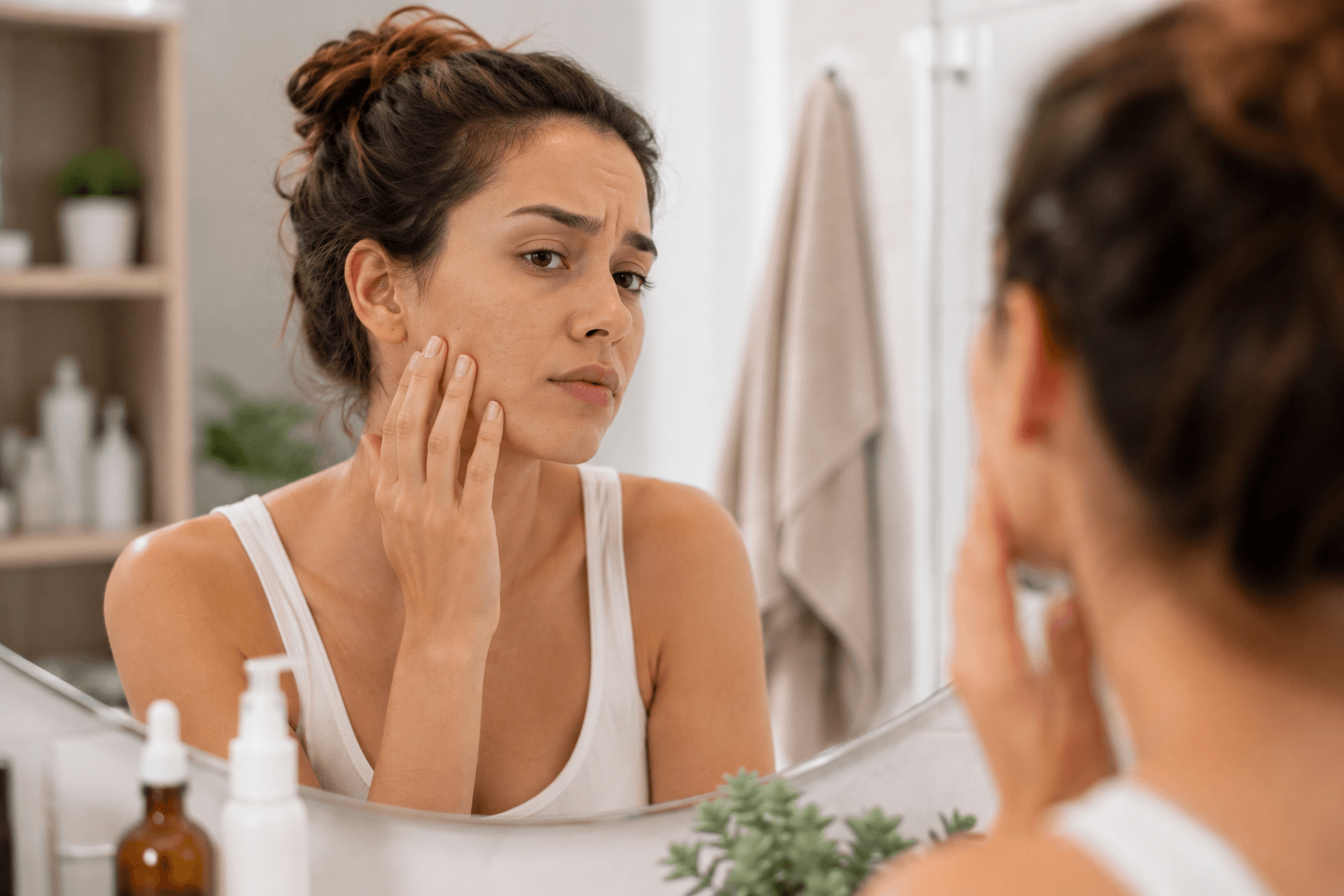
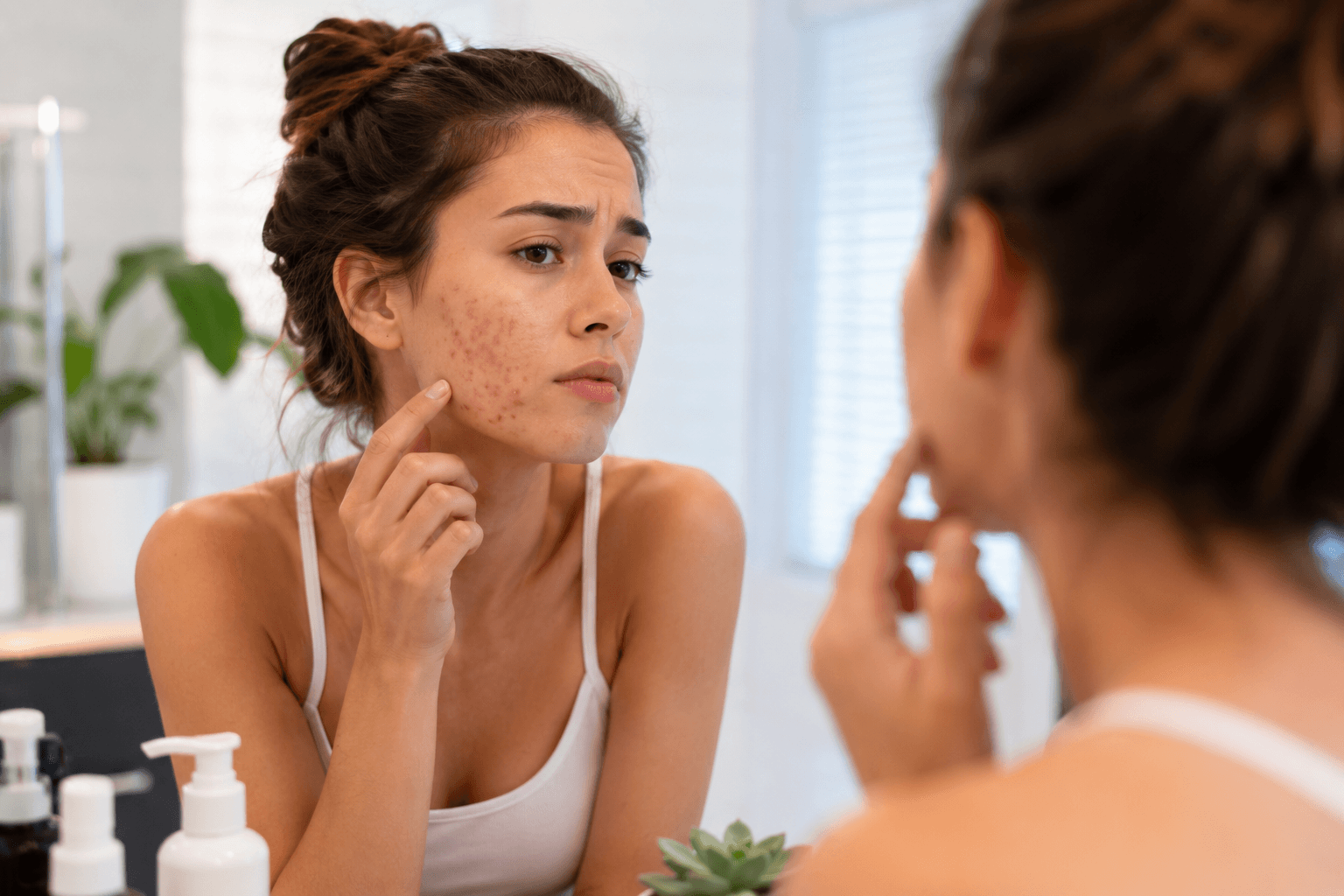
You wash your face every night. You moisturize. You even splurge on that serum your favorite skincare influencer swears by. So why does your skin still look tired, feel a little bumpy under your fingertips, and refuse to hold makeup the way it used to? If that sounds familiar, you are far from alone. It is one of the most common frustrations we hear from clients walking through our doors in Wichita Falls, and more often than not, the answer has less to do with your skincare routine and more to do with what is sitting on top of your skin.
Between the dry winters, the summer heat, and the everyday dust that comes with life here in North Texas, skin in Wichita Falls works overtime to protect itself. That protective process leaves behind a buildup of dead skin cells and fine facial hair that can make even the best products feel like they are just sitting there instead of soaking in. The good news is that once you understand what is actually causing that dullness and texture, the fix is often simpler than people expect.
Skin naturally sheds dead cells on a cycle that slows down as we age, sometimes stretching out to a month or longer by our thirties and forties. When that turnover slows, dead cells pile up on the surface instead of flaking away on their own. The result is skin that looks a little gray or lackluster under regular lighting, no matter how well you cleanse or exfoliate with typical scrubs.
Environmental stress speeds this along. Sun exposure, wind, and the dry air that rolls through Wichita Falls for much of the year all pull moisture from the skin's surface, which makes that dead cell layer even more noticeable. Add in makeup residue, sunscreen, and daily pollution, and you have got a recipe for skin that feels textured rather than smooth.
This is the part that trips people up the most. Serums and moisturizers are designed to absorb into the skin, but they can only do that if there is a clear path to get there. When dead skin cells and fine hair sit on the surface, even the most expensive products end up working against a barrier instead of through it. That is why people often say their skin "looks the same" despite spending real money on their routine. It is not that the products are bad. It is that nothing is getting through to do its job.
Almost everyone has vellus hair, the soft, fine hair that covers most of the face. For some people it is barely noticeable, and for others it is thick enough to catch the light or create a slight shadow under makeup. This is completely normal and has nothing to do with hygiene or hormones in most cases. It is simply how your body is built.
The frustration usually shows up during makeup application. Foundation can cling to that fine hair and look patchy or cakey instead of smooth. Photos taken in bright light, especially outdoor Texas sunshine, can exaggerate the texture even more. If you have ever noticed your foundation looking flawless in the mirror at home but rougher in photos, this is often the reason why.
Pores that look larger than they used to, or skin that feels congested even when you are not actively breaking out, usually point to the same root issue as dullness: buildup. Dead skin, oil, and everyday debris settle into pores and stretch them out visually, even if nothing is technically clogged in a way that causes a breakout. Over time this can make the skin's texture look uneven, especially across the nose, cheeks, and forehead.
If you have noticed these changes and want to understand more about how texture and congestion develop, our page on enlarged pores and uneven texture breaks down what is happening beneath the surface, along with our page dedicated to blackheads and congested skin for anyone dealing with that specific concern.
Not necessarily. Congestion and dullness can happen on skin that rarely breaks out at all. It is more about accumulated surface debris than active inflammation, which is why traditional acne treatments do not always resolve the texture and dullness people are noticing.
This is where exfoliation earns its reputation, but not all exfoliation is created equal. Chemical exfoliants and scrubs can help, but they do not remove the vellus hair that contributes to texture and makeup issues, and some scrubs can be too abrasive for sensitive or reactive skin. This is exactly the gap that dermaplaning was designed to fill.
Dermaplaning uses a sterile, surgical grade blade to gently glide across the surface of the skin at an angle, lifting away the top layer of dead skin cells along with that fine facial hair in one motion. There is no chemical exfoliation involved, no downtime, and no discomfort during the process. Most clients describe it as feeling like a light scraping sensation, similar to a razor gliding smoothly over skin.
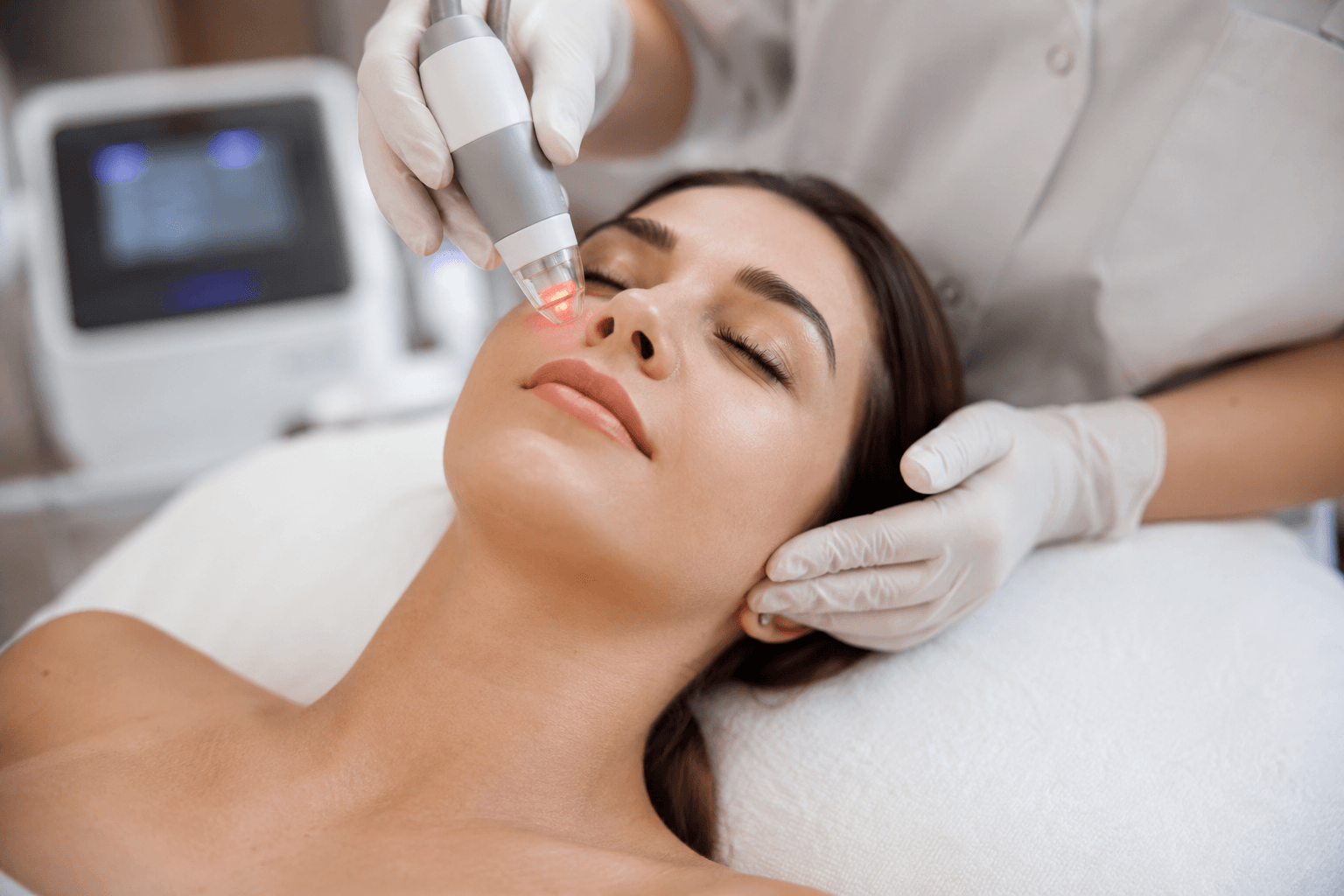
At Envy Med Spa, dermaplaning is performed by trained estheticians as part of our esthetician services, and the process is refreshingly simple. After your skin is cleansed, your provider uses a precise blade technique to work across the face in gentle, controlled strokes. The whole treatment typically takes under an hour, and you can go straight back to your day afterward with no redness, peeling, or recovery time to plan around.
What you will notice right away is smoother skin texture and a visibly brighter, more even complexion. Makeup tends to glide on more evenly since there is no fine hair or dead skin interfering with application, and skincare products absorb more effectively because the barrier that was blocking them is gone. Many clients pair the treatment with a chemical peel down the road for added exfoliation benefits, though dermaplaning alone delivers noticeable results on its own.
Most people are excellent candidates, which is part of why this treatment has become so popular. It is well suited for those dealing with dullness, rough texture, visible peach fuzz, or congested looking pores, and it is generally considered safe for most skin types, including sensitive skin, since there are no chemicals or heat involved. It is worth noting that dermaplaning is typically not recommended for those with active, inflamed acne, since the blade can irritate breakouts. If you are unsure whether it is right for your skin, our team can walk you through it during a consultation.
There is essentially no downtime. Skin may look slightly pink immediately afterward, similar to a light flush, but that fades quickly. You will not experience peeling or sensitivity in the days after like you might with more aggressive treatments. Many clients schedule their dermaplane visit before a big event here in Wichita Falls, whether that is a wedding, a family photo session, or simply wanting fresh looking skin heading into a new season.
Because dermaplaning works on the surface layer, most people find that scheduling treatments every three to four weeks aligns nicely with the skin's natural renewal cycle. This keeps texture consistently smooth and prevents that buildup from creeping back in, especially through the drier months when Wichita Falls skin tends to need a little extra help.
Does dermaplaning make facial hair grow back thicker or darker? No. This is one of the most persistent myths out there. Vellus hair is fine and soft, and shaving or dermaplaning it does not change its thickness, color, or rate of growth when it returns.
Is dermaplane treatment painful? Not at all. Most people describe it as a gentle scraping sensation with no pain involved. There is no numbing required, and you can talk, relax, or even fall asleep during the appointment.
How is dermaplaning different from a chemical peel? Dermaplaning physically removes dead skin and fine hair using a blade, while a chemical peel uses acids to dissolve the surface layer of skin. Some clients in Wichita Falls choose to alternate between the two or combine them for a deeper level of exfoliation, though each works well as a standalone treatment too.
Can dermaplaning help with acne scars or dark spots? While dermaplaning is not a treatment specifically for acne scars or hyperpigmentation, the exfoliation process can help skin appear smoother and allow brightening products to work more effectively over time.
How long do the results of a dermaplane facial last? Most clients enjoy smooth, radiant skin for three to four weeks before the natural buildup cycle starts again, which is why many people schedule it as a recurring part of their skincare routine.
Updated for August 2026, this much still holds true: dull, rough, or congested looking skin is rarely a sign that your routine has failed you. More often it just means your skin needs a little help clearing the path so your products, and your natural glow, can actually do their thing. If you have been noticing texture, visible peach fuzz, or pores that seem more pronounced than they used to be, take a look at our dull or rough skin tone resource to see if it matches what you are experiencing.
Our team at Envy Med Spa has helped plenty of Wichita Falls locals rediscover smoother, brighter skin through our dermaplane treatment, and we would love to help you do the same. Reach out through our contact page to ask questions or book your appointment, and let's get that glow back where it belongs.







.png)
.png)

































.avif)


.jpg)