
You shave, you moisturize, you even try the razors that promise to be gentler on sensitive skin, and yet a day or two later the same small, itchy, sometimes painful bumps show up in the exact same spots. If this cycle sounds exhausting, you are dealing with one of the most common frustrations people bring up when they start looking into hair removal options: chronic ingrown hairs and razor bumps that never seem to fully go away.
The good news is that this is not just bad luck or something you have to accept for the rest of your life. Understanding why these bumps keep forming can help you figure out whether a change in routine is enough, or whether it might be time to consider something more permanent, like laser hair removal, one of the treatments offered at Envy Medspa for people throughout Wichita Falls who are ready to break the cycle for good.
Razor bumps, medically referred to as pseudofolliculitis barbae when they become chronic, happen when a hair that has been shaved or plucked curls back and grows into the surrounding skin instead of out and away from it. Your body reacts to that hair the same way it would react to any foreign object under the skin, with inflammation, redness, and often a small raised bump that can be tender to the touch.
Ingrown hairs are especially common in areas where hair is coarse or curly, which is part of why people with curlier hair types tend to struggle with this more than others. They also show up frequently on the legs, bikini area, underarms, and for men, the neck and jawline.
A few factors make certain people more prone to this issue.
Hair texture matters a great deal. Curly or coarse hair is far more likely to curl back into the follicle after it is cut, especially when shaved against the grain.
Shaving technique plays a role too. Dull razors, shaving too closely, or repeatedly going over the same area can increase irritation and the likelihood of ingrown hairs.
Skin type is another piece of the puzzle. Thicker or more textured skin can trap regrowing hairs more easily beneath the surface.
Frequency of hair removal also contributes. The more often you shave or wax, the more opportunities there are for a hair to grow back incorrectly.
Sometimes what looks like a simple razor bump is actually folliculitis, an inflammation or infection of the hair follicle that can look similar but may need different care, especially if bumps are filled with pus, spreading, or accompanied by fever. If you are noticing widespread irritation, worsening redness, or bumps that do not improve with basic care, it is worth having a professional take a look rather than assuming it will resolve on its own.
For most people, though, the pattern is simpler: hair regrowth after shaving or waxing that leads to recurring irritation in the same areas, month after month.
To some degree, yes. Exfoliating regularly, shaving in the direction of hair growth, using a sharp single blade razor, and applying a soothing, alcohol free moisturizer afterward can reduce how often ingrown hairs form. Many people find real, if temporary, relief this way.
The catch is that these changes address the symptoms of the underlying issue, not the cause. As long as hair keeps growing back in the same pattern, the risk of ingrown hairs returns with it. This is why so many people eventually look for a way to reduce hair growth itself rather than continuing to manage the aftermath of shaving indefinitely.
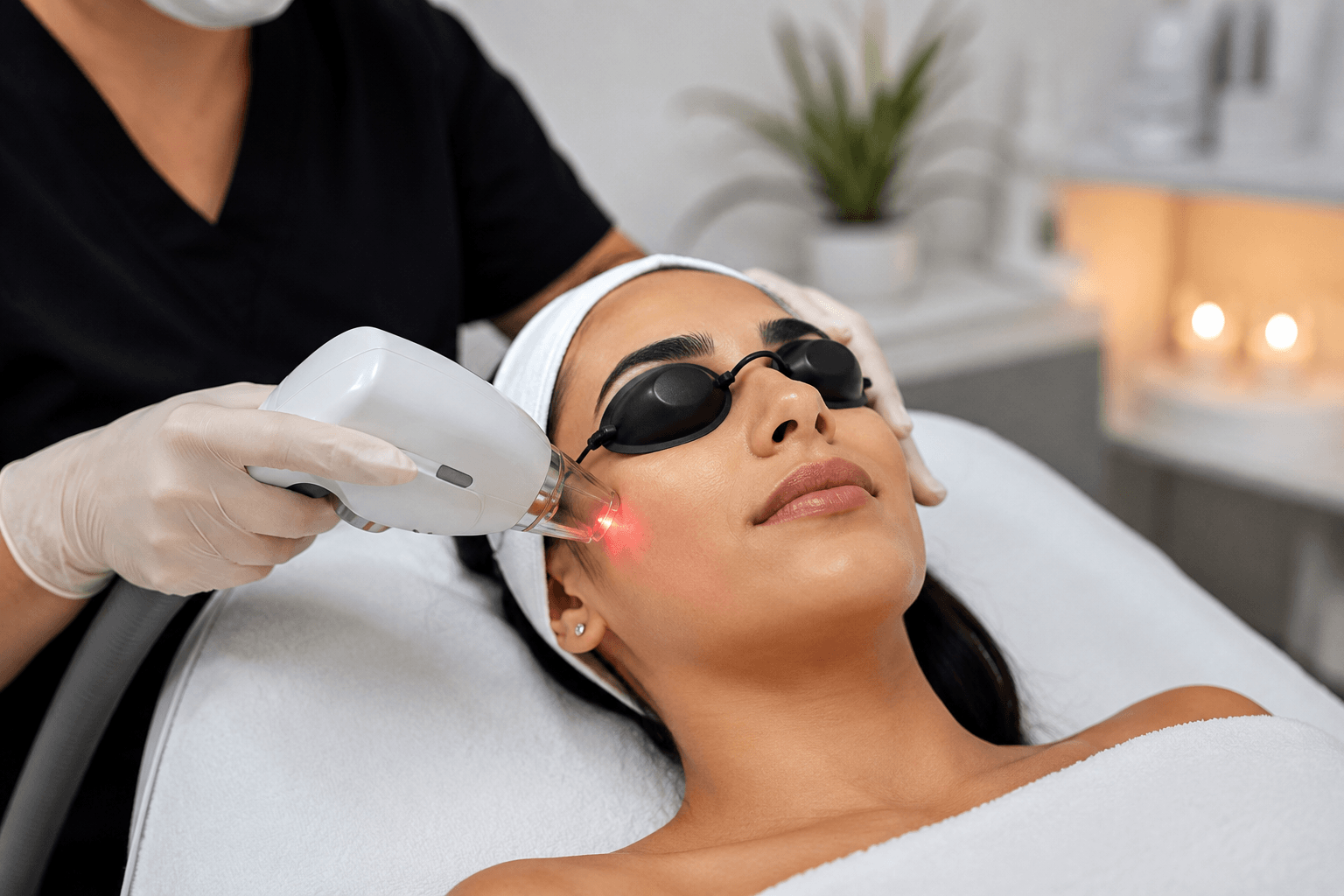
Laser hair removal works by targeting the pigment in the hair follicle with concentrated light energy, which damages the follicle's ability to produce new hair over a series of sessions. Because the treatment is reducing hair growth at the source rather than just cutting hair at the surface, it directly reduces the number of opportunities for a hair to curl back and become ingrown in the first place.
Many patients who struggle specifically with chronic razor bumps notice a significant improvement in skin texture and a reduction in irritation as their treatment series progresses, simply because there is less hair regrowth to deal with. Fewer shaves means fewer chances for irritation, and eventually, treated areas may need little to no regular hair removal at all.
At Envy Medspa, treatment plans are customized based on the areas being treated, hair density, and skin tone, since different combinations respond differently to laser settings. A consultation allows a provider to walk through realistic expectations for your specific hair and skin type before beginning a series.
Laser hair removal is commonly requested for legs, underarms, the bikini area, the chest, and the face, including areas like the chin and upper lip. It is also a popular option for men dealing with chronic irritation on the neck and jawline from daily shaving. Because ingrown hairs can technically show up anywhere hair is regularly removed, it is worth discussing your specific trouble spots during a consultation rather than assuming any one area is off limits.
Hair grows in cycles, and laser treatment is most effective when it targets hair in its active growth phase. Because not all hair is in that phase at the same time, a series of sessions, typically spaced several weeks apart, is needed to catch as much hair as possible over time. Most people see a noticeable reduction after just a few sessions, with more complete results building over a full treatment series.
Most people describe the sensation as a quick snap, similar to a rubber band against the skin, and it is generally well tolerated. There is no real downtime involved. Some mild redness or sensitivity in the treated area is normal for a short period afterward, similar to a mild sunburn, but it typically resolves quickly and does not interfere with daily activities.
Most people dealing with recurring ingrown hairs, razor burn, or general frustration with the upkeep of regular shaving are reasonable candidates. It tends to be especially appealing to people with coarse or curly hair, since they often experience the most benefit from a reduction in regrowth. A consultation is the best way to determine expected results based on your individual hair and skin characteristics, and to talk through how many sessions might be realistic for your goals.
Sun exposure to treated areas should generally be minimized between sessions, and shaving, rather than waxing or plucking, is usually recommended if hair removal is needed in between appointments, since waxing removes the hair follicle that the laser needs to target. Following the specific guidance provided during your consultation will help you get the most out of each session.
Chronic ingrown hairs and razor bumps are more than just a minor annoyance. They can affect how comfortable you feel in your own skin day to day, and they tend to keep coming back no matter how careful you are with your routine. If you are ready to stop managing the symptoms and start addressing the source, it may be time to explore laser hair removal.
Envy Medspa offers laser hair removal for patients throughout Wichita Falls looking for smoother, more comfortable skin without the daily grind of shaving. Learn more on the laser hair removal page, read more about this common concern on the unwanted hair page, or schedule a consultation to talk through a plan suited to your skin and hair type.
This article was updated this August 2026 with current information on treatment expectations for patients in Wichita Falls.
Does laser hair removal completely stop ingrown hairs from happening? It significantly reduces the amount of hair regrowth over a treatment series, which in turn reduces the opportunities for ingrown hairs to form, though results vary based on hair type and consistency with the full session plan.
How many laser hair removal sessions will I need? Most treatment plans involve a series of sessions spaced several weeks apart to target hair at different growth stages, with your provider recommending a specific number based on the treatment area and your hair characteristics.
Is laser hair removal safe for all skin tones? Modern laser technology can be adjusted for a range of skin tones, and a consultation is the best way to determine the right settings and expected results for your individual skin.
Can I still shave between laser hair removal sessions? Yes, shaving is generally fine between appointments, while waxing or plucking is typically discouraged since it removes the follicle the laser needs to target.
Will laser hair removal help with razor burn I already have? While it does not treat active irritation directly, reducing regrowth over time means fewer shaves and less opportunity for razor burn to develop in treated areas.
If the shave, bump, repeat cycle has worn out its welcome, Envy Medspa is here to help you explore a longer term solution. Reach out today to schedule your consultation.

















.png)
.png)




































.avif)



.jpg)


.jpg)


