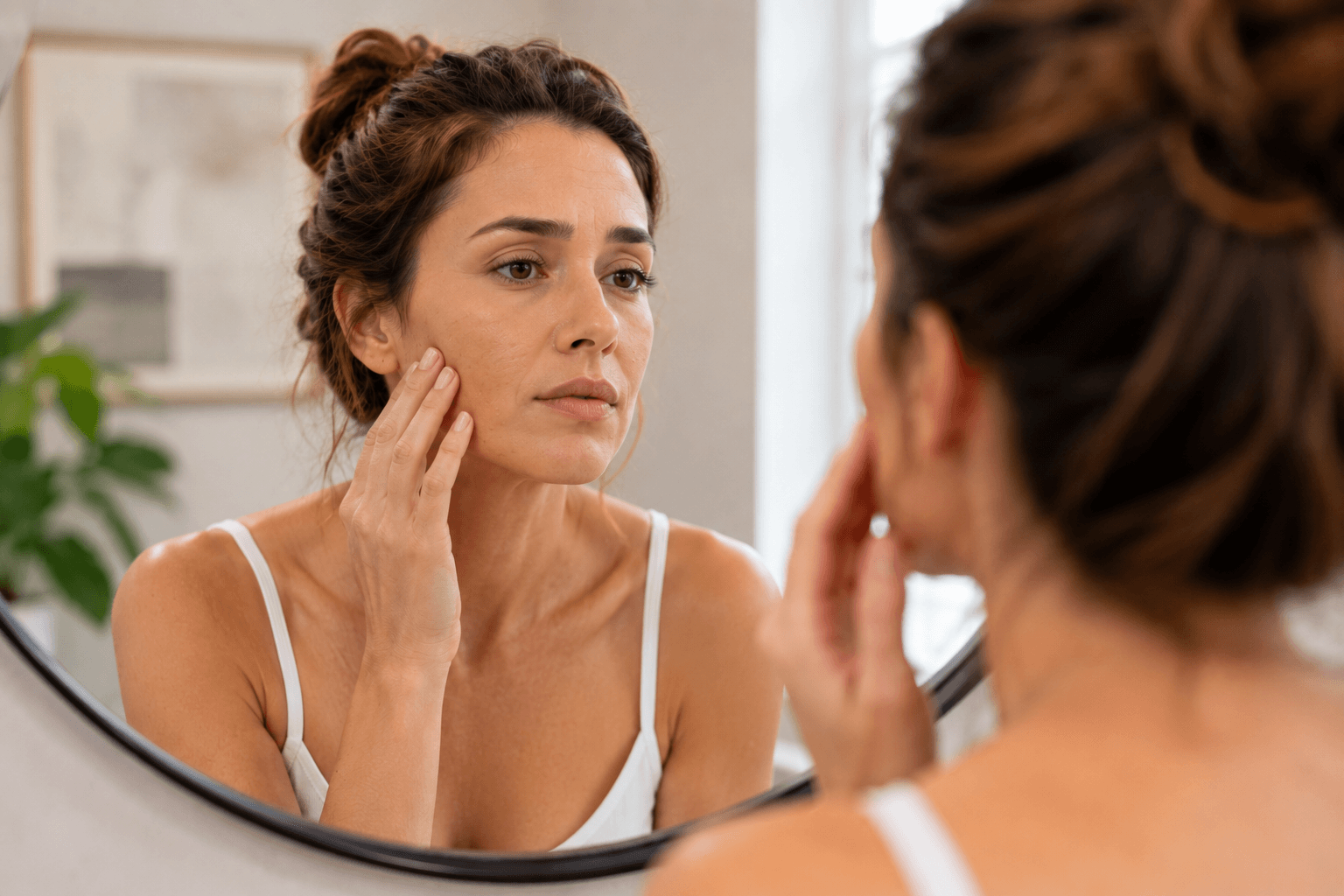
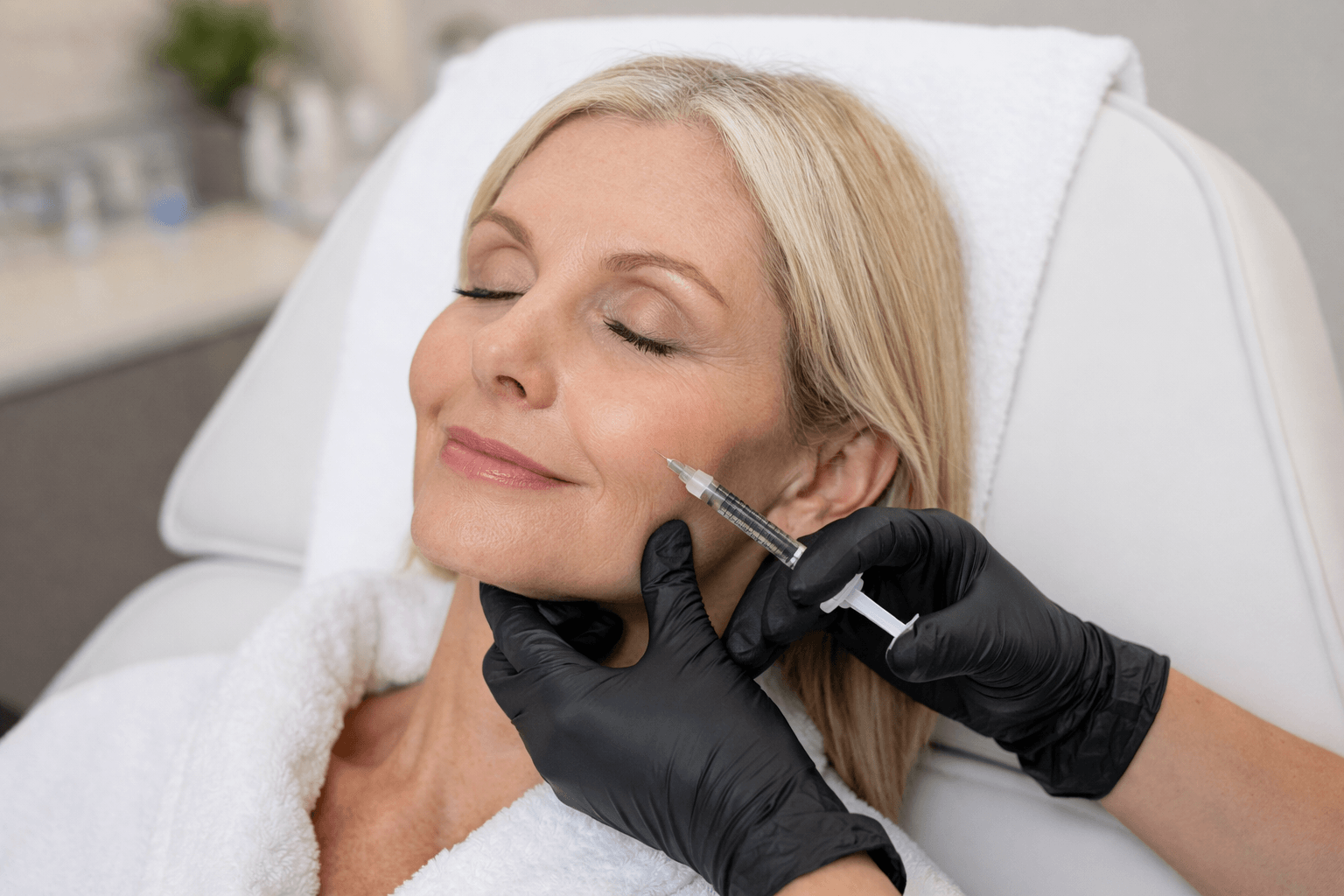
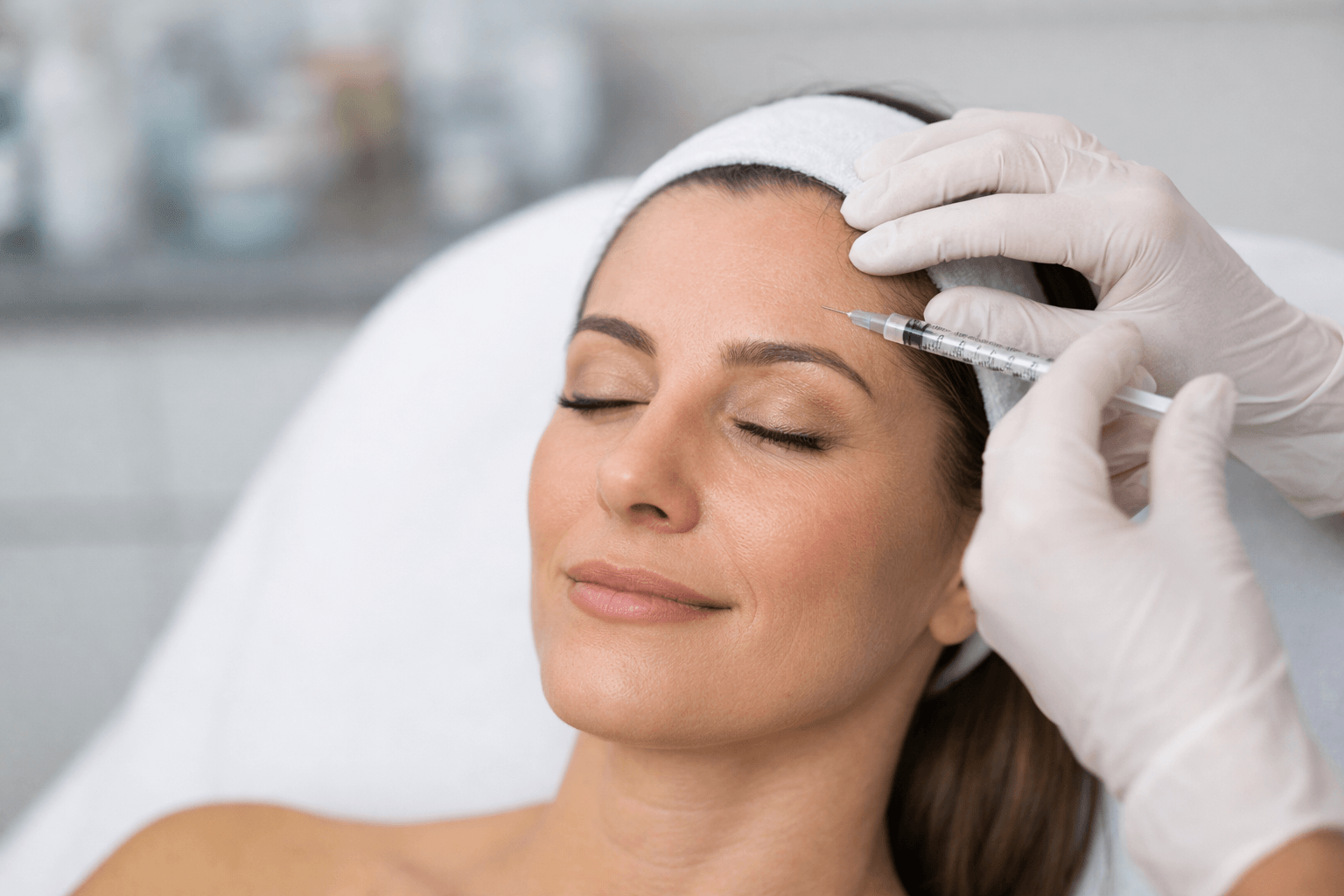
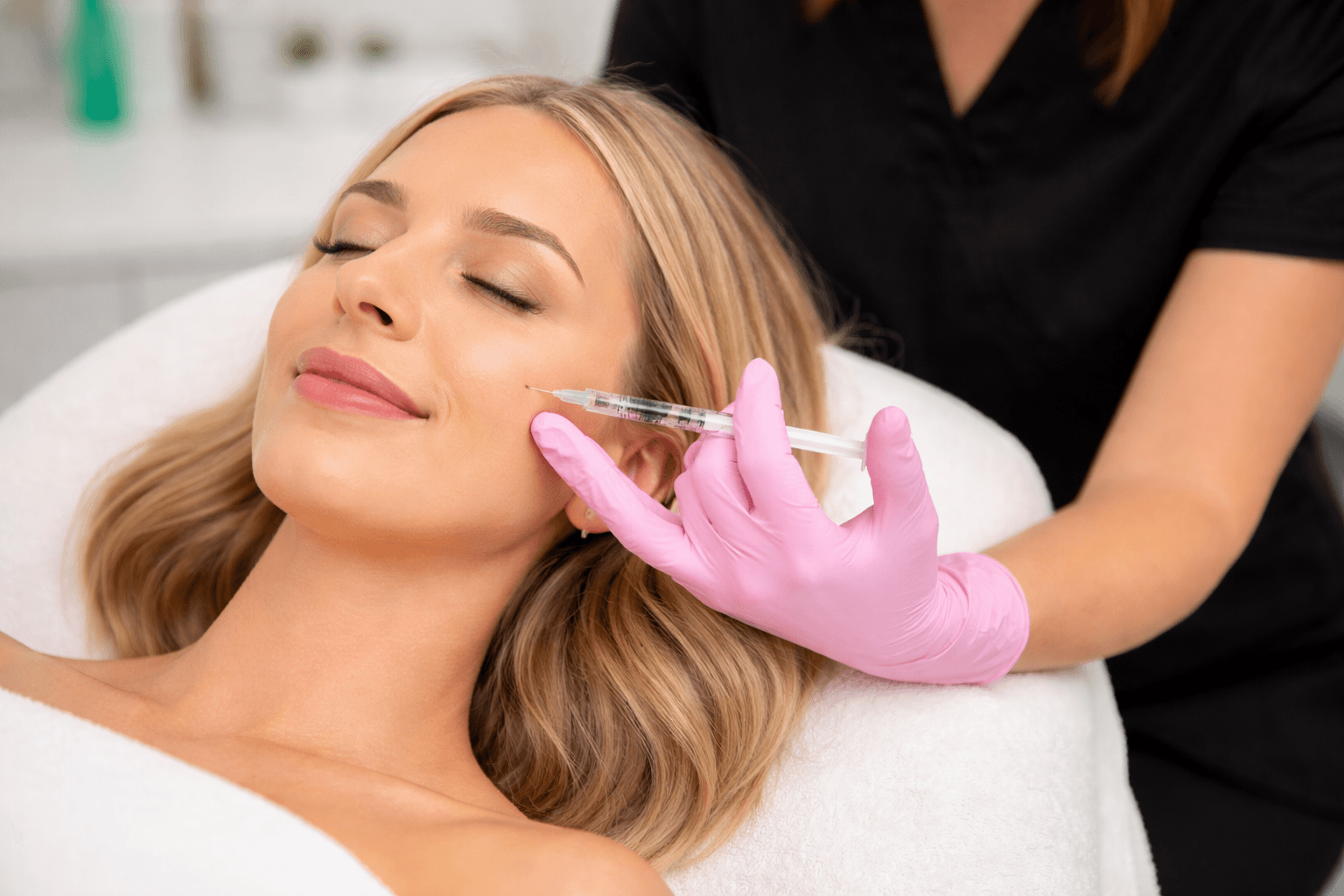
Somewhere in the last few years, Botox quietly stopped being something people waited until their forties to consider. Scroll through enough skincare content and you will find twenty somethings openly talking about starting Botox early, not to fix deep wrinkles, but to keep them from forming in the first place. For a lot of younger adults, this raises an obvious question. Does it actually work that way, or is preventive Botox just the latest trend dressed up as science?
The honest answer sits somewhere in the middle, and understanding how Botox actually works can help you figure out whether starting earlier makes sense for you specifically, rather than just following what is currently popular online.
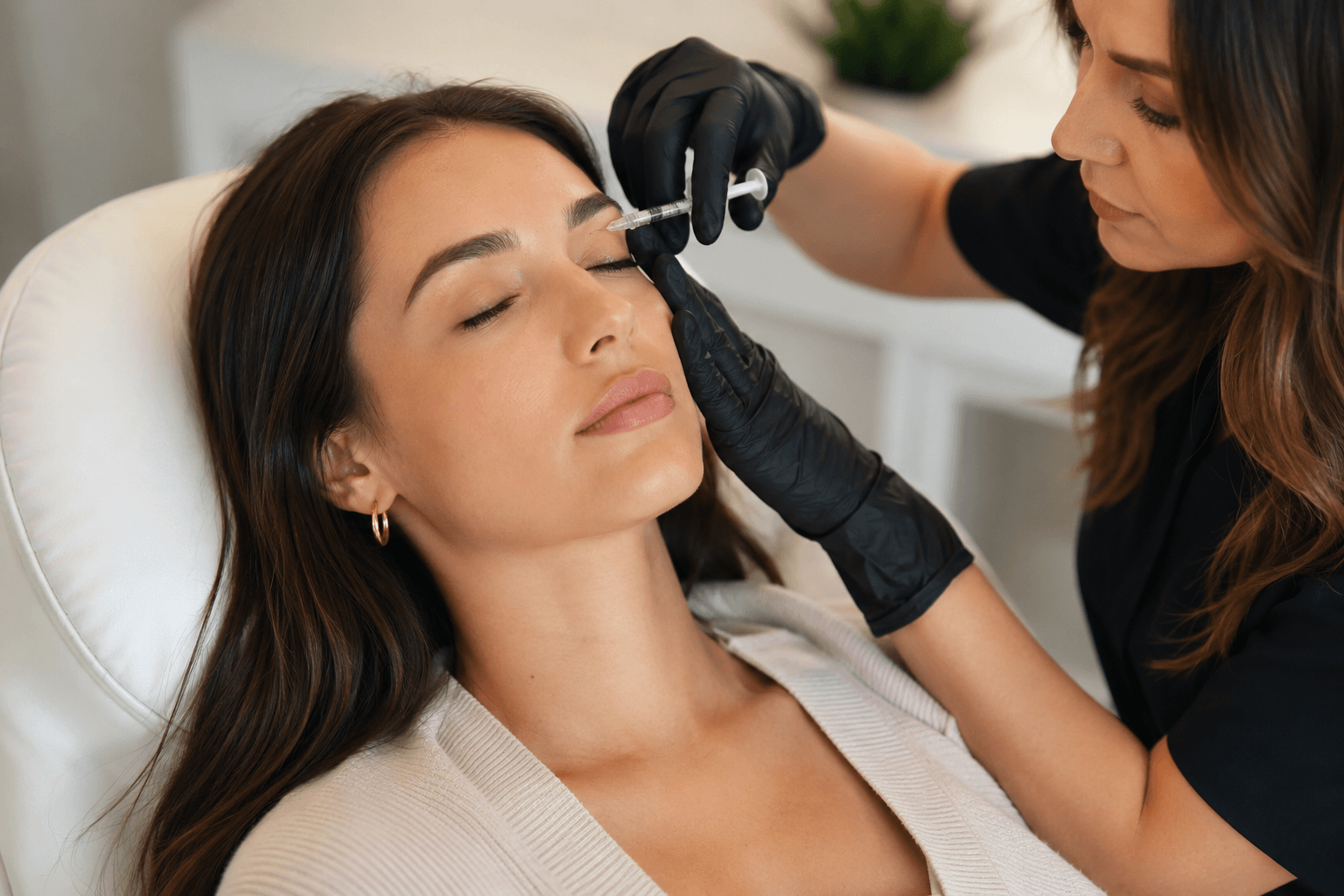
Preventive Botox refers to starting treatment before static wrinkles, meaning lines that are visible even when your face is completely relaxed, have fully developed. Instead, treatment targets dynamic lines, the ones that only show up when you make a specific expression like frowning, squinting, or raising your eyebrows, with the idea of reducing the repeated muscle movement that eventually creates a permanent crease in the skin.
This is different from traditional Botox use, which has historically focused on softening lines that have already become etched into the skin at rest. The logic behind the preventive approach is straightforward: if repeated muscle movement is what causes a line to become permanent over time, reducing that movement earlier may slow down how quickly the line develops in the first place.
There is a reasonable amount of clinical logic supporting the general idea, since dynamic wrinkles are well understood to gradually become static ones through repeated movement over years. That said, it is worth being clear eyed about this. Preventive Botox is not a guarantee that you will never develop lines in a treated area, and results vary significantly based on genetics, skin type, sun exposure, and lifestyle factors that Botox itself does not address.
The most accurate way to think about it is as one tool among several for managing how quickly visible aging shows up in specific areas, not a stand-alone solution that replaces sunscreen, good skincare, or other healthy habits.
There is no universal answer, but many people who pursue preventive Botox begin sometime in their mid to late twenties, often when they start noticing that a line which used to disappear completely when their face relaxed is starting to linger a little longer than it used to. This is generally considered the early transition point between a purely dynamic line and one beginning to leave a lasting mark.
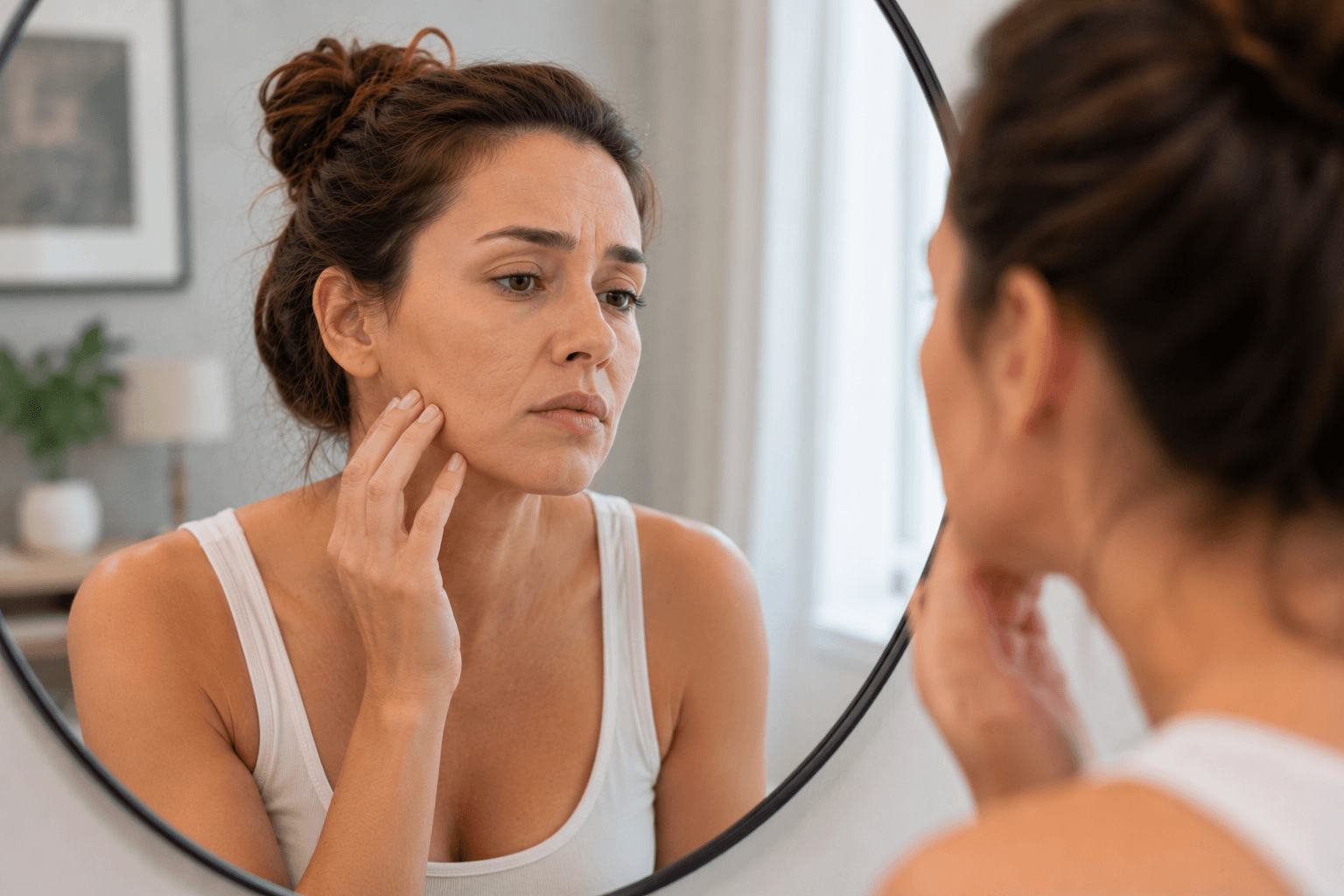
A few signs tend to suggest that starting earlier might make sense. If you have noticed a specific line, often between the eyebrows or across the forehead, that is beginning to show faintly even at rest, this is one of the clearer indicators. A family history of early, pronounced wrinkling in specific areas is another relevant factor, since genetics play a significant role in how quickly dynamic lines transition to static ones. A naturally very expressive face, meaning you tend to frown, squint, or raise your eyebrows frequently and with a lot of muscle activity, can also be a reasonable factor to discuss with a provider.
None of these signs are requirements, and plenty of people simply decide they are interested in the preventive approach as a personal choice, which is a completely valid reason on its own.
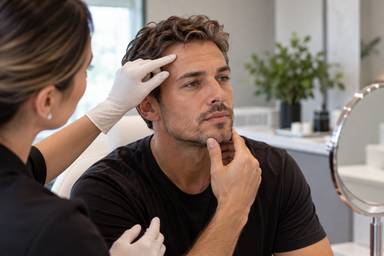
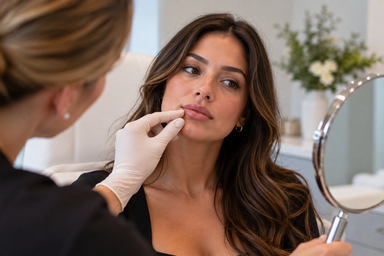
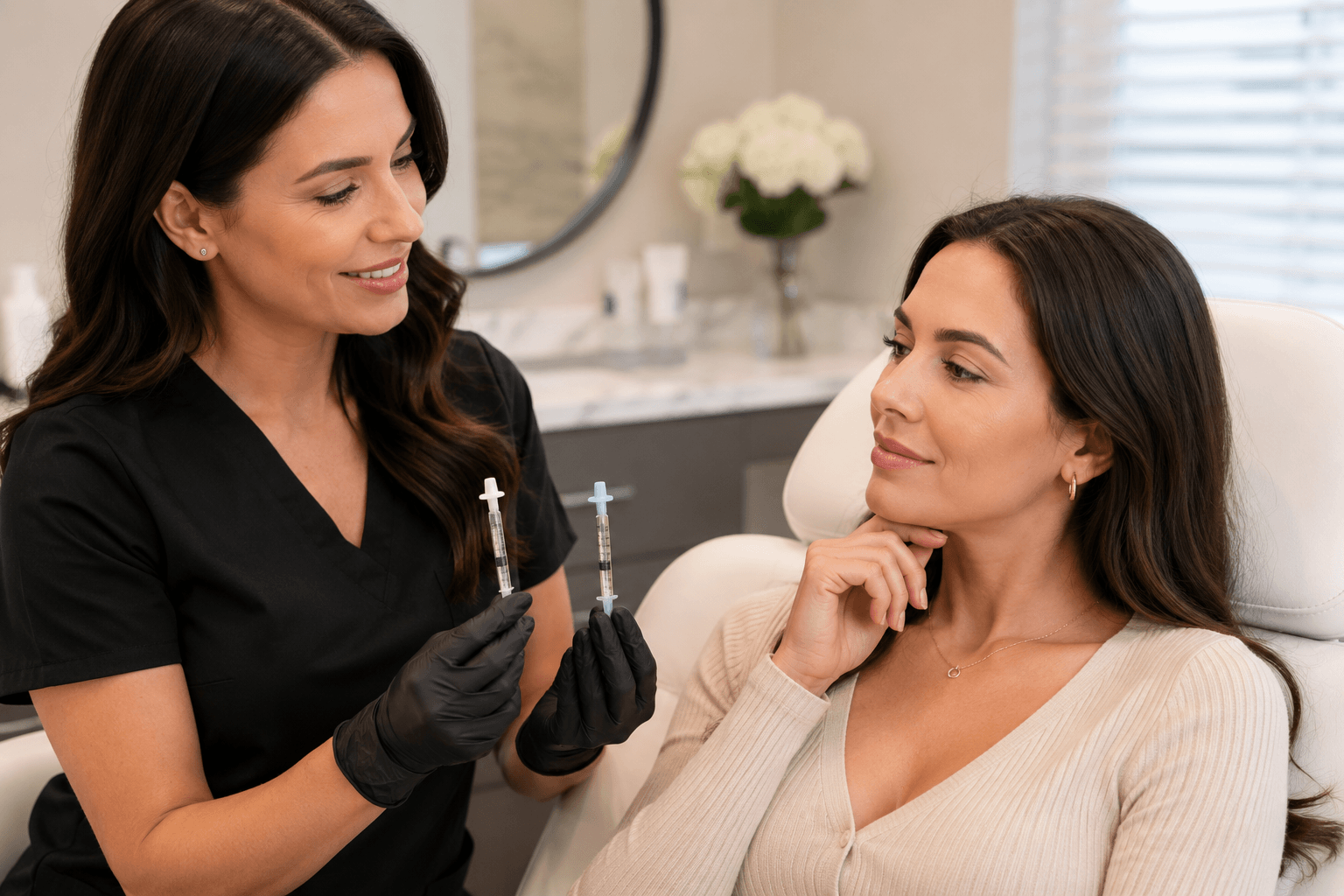
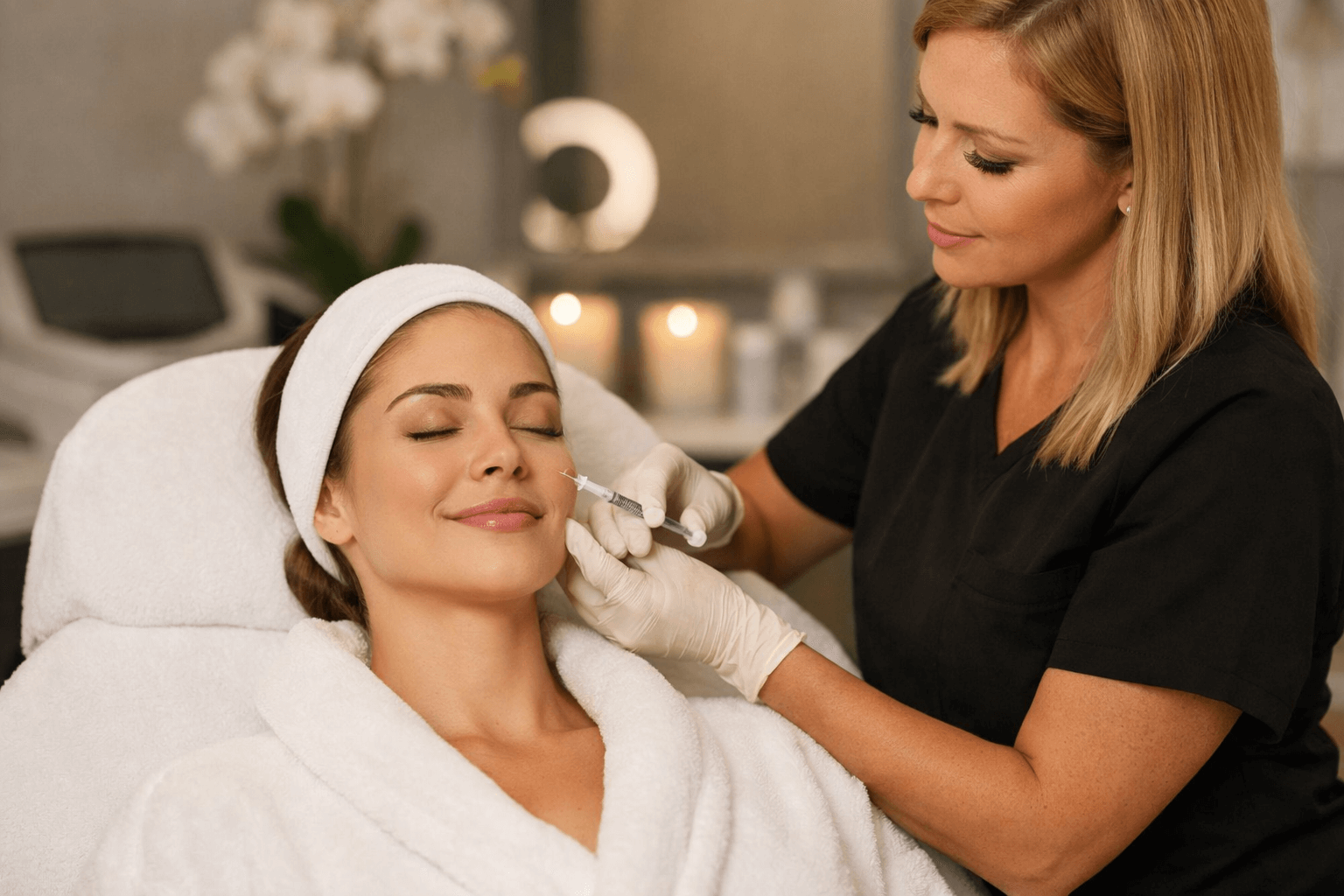
This is where the conversation matters quite a bit, since preventive Botox is not a one size fits all treatment. At Envy Medspa, a consultation for a younger patient interested in this approach typically starts with an honest look at your current skin, your specific areas of concern, and a realistic conversation about what preventive treatment can and cannot do for your particular situation.
A thoughtful provider will generally recommend a conservative dosing approach for younger, first time patients, since the goal at this stage is subtle, gradual muscle relaxation rather than a dramatic change. This also allows you and your provider to assess how your skin responds over time and adjust future treatments accordingly.
This is a common concern, and it is a fair one to raise during a consultation. Results from any single Botox treatment typically last three to four months regardless of age, so starting earlier does mean a longer overall timeline of periodic treatments if you choose to continue consistently. That said, many people who start earlier find that maintaining a consistent schedule, rather than treating and stopping repeatedly, produces more gradual, natural feeling results over time compared to waiting until lines are already well established and trying to address them all at once later on.
There is no obligation to commit to treatment indefinitely. Botox is temporary by nature, and stopping at any point simply means your muscles gradually return to their normal activity level over the following months.
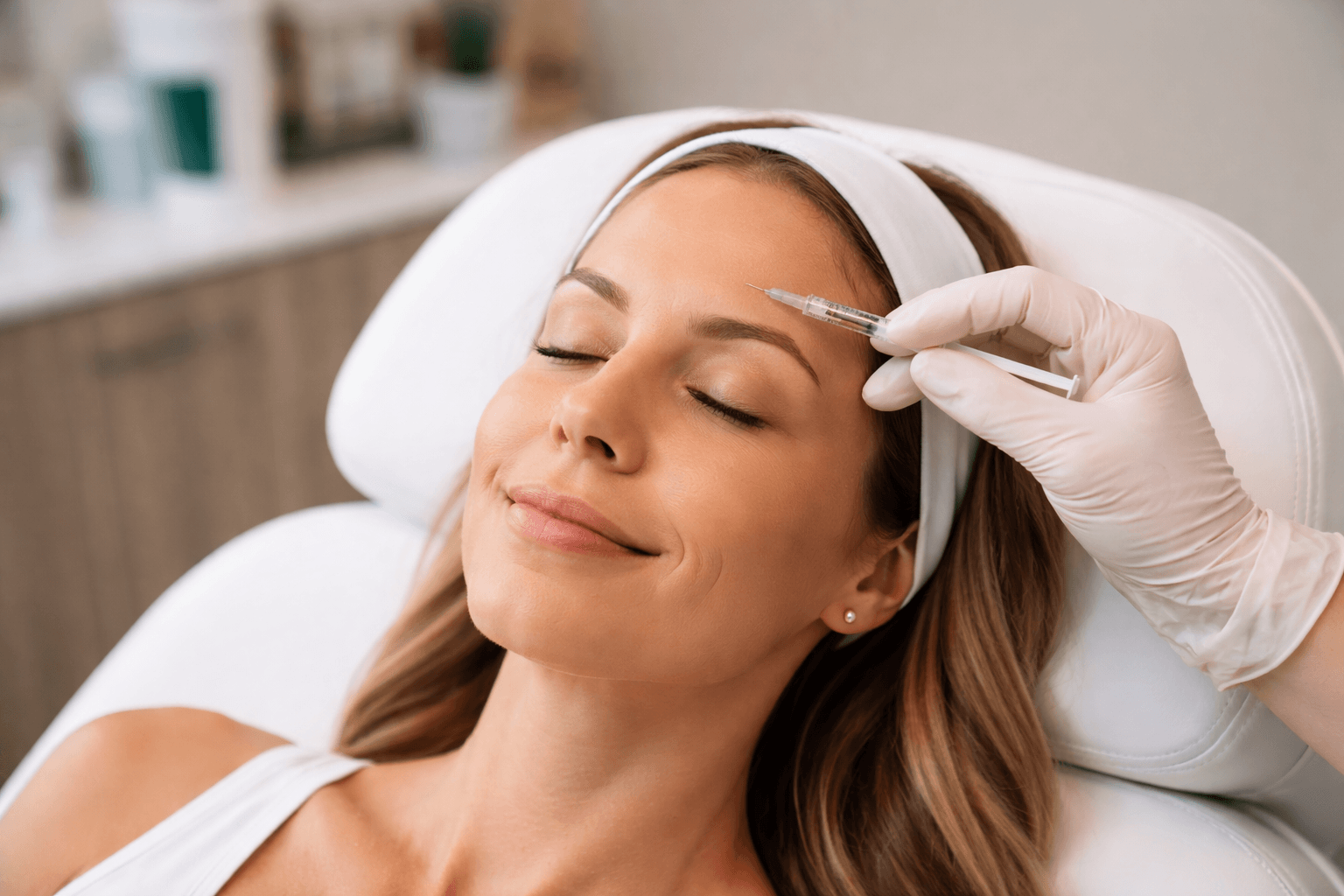
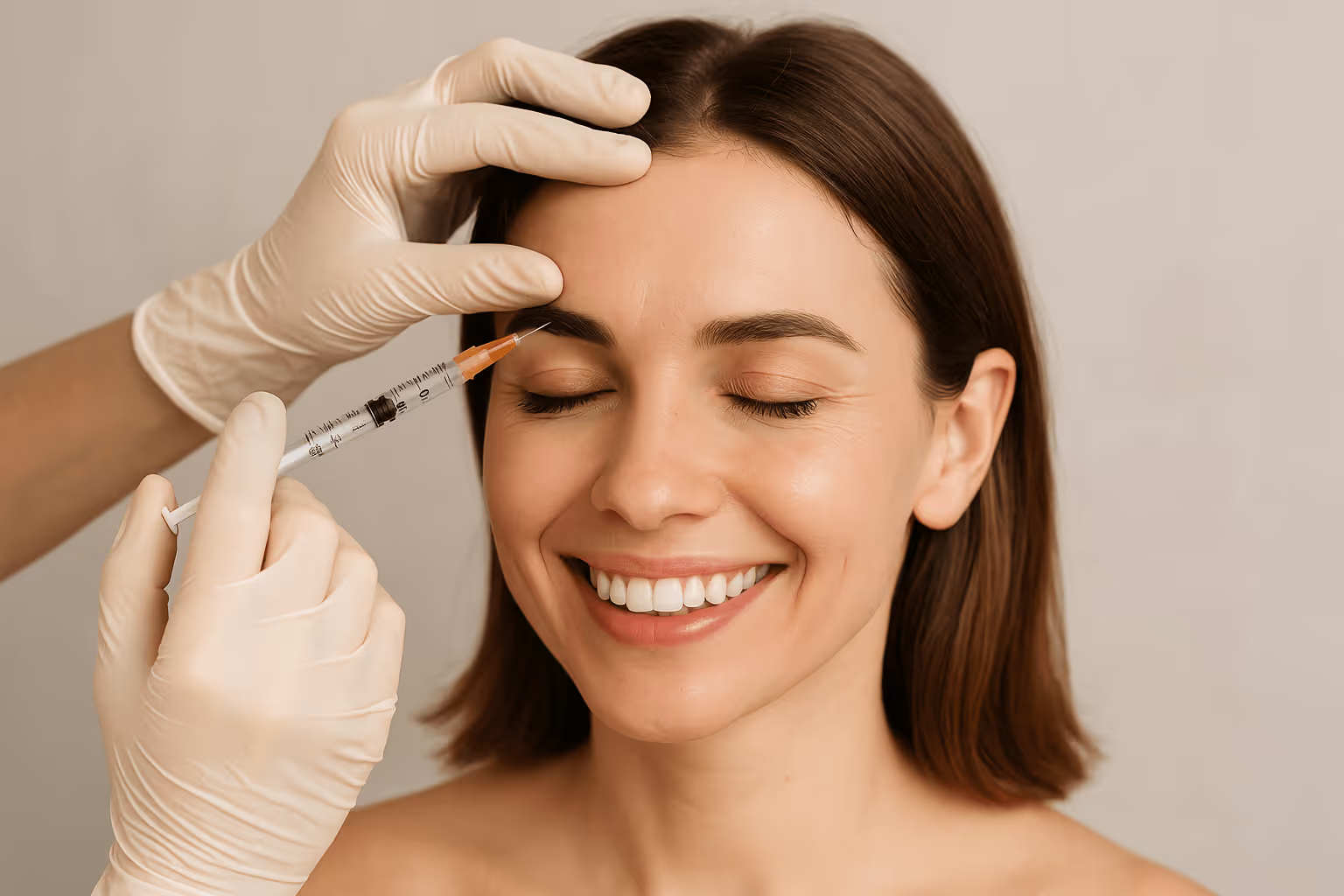
A few areas come up more than others in early consultations. The space between the eyebrows, often the first area to show early static lines in people with expressive faces, is a frequent starting point. Forehead lines are another common concern, particularly for people who raise their eyebrows frequently throughout the day, often without even realizing it. Crow's feet, the lines that form at the outer corners of the eyes from smiling and squinting, round out the most commonly requested areas among younger patients.
Most experienced providers recommend starting with the specific area or areas that are genuinely bothering you, rather than treating your entire face preventively just because you are young. This conservative, targeted approach tends to feel more comfortable for first time patients and allows you to evaluate your results before deciding whether to expand treatment to additional areas in the future.
Cost is a reasonable factor to consider, since preventive Botox means committing to a treatment with an ongoing cost over a longer period of time compared to starting later in life. It is also worth having realistic expectations, understanding that Botox addresses movement related lines specifically and will not prevent all forms of skin aging, which also involves collagen loss, sun damage, and volume changes that Botox does not directly address.
A consultation is the best way to get a personalized, honest assessment of whether starting now genuinely makes sense for your specific skin and goals, rather than deciding based on what feels trendy at the moment.
Starting Botox earlier is a legitimate, well reasoned choice for some people, particularly those already noticing early static lines or with a family history of pronounced early wrinkling. It is not, however, a decision that needs to be made quickly or based purely on what is currently popular. An honest conversation with an experienced provider is the best way to figure out whether this approach genuinely fits your skin and your goals.
Envy Medspa offers personalized Botox consultations for younger adults throughout Wichita Falls interested in exploring a conservative, preventive approach. Learn more about Botox and Dysport treatments, explore early signs of aging, or schedule a consultation to talk through whether starting now makes sense for you.
This article was updated this September 2026 to reflect current guidance for younger adults in the Wichita Falls area.
Does preventive Botox actually stop wrinkles from forming? It can help slow the transition of dynamic lines into permanent static ones by reducing repeated muscle movement, though results vary based on genetics, skin type, and lifestyle factors that Botox alone does not address.
What is the youngest age someone should consider preventive Botox? There is no universal age, but many people who pursue this approach start in their mid to late twenties, often after noticing an early line that is beginning to linger at rest.
Will I need Botox forever if I start young? Not necessarily. Botox is temporary, and stopping at any point simply allows your muscle activity to gradually return to normal over the following months. There is no obligation to continue indefinitely.
Is preventive Botox more expensive than starting later? Since it involves an ongoing treatment schedule over a longer period, total cumulative cost over time is generally higher than starting later, which is worth weighing during a consultation.
Which areas do younger patients usually treat first? The area between the eyebrows, the forehead, and crow's feet are the most commonly requested areas among younger patients starting a preventive approach.
If you are curious whether starting Botox now genuinely makes sense for your skin, an honest consultation is a far better starting point than a trend. Reach out to Envy Medspa to talk through your specific goals and get a realistic, personalized recommendation.