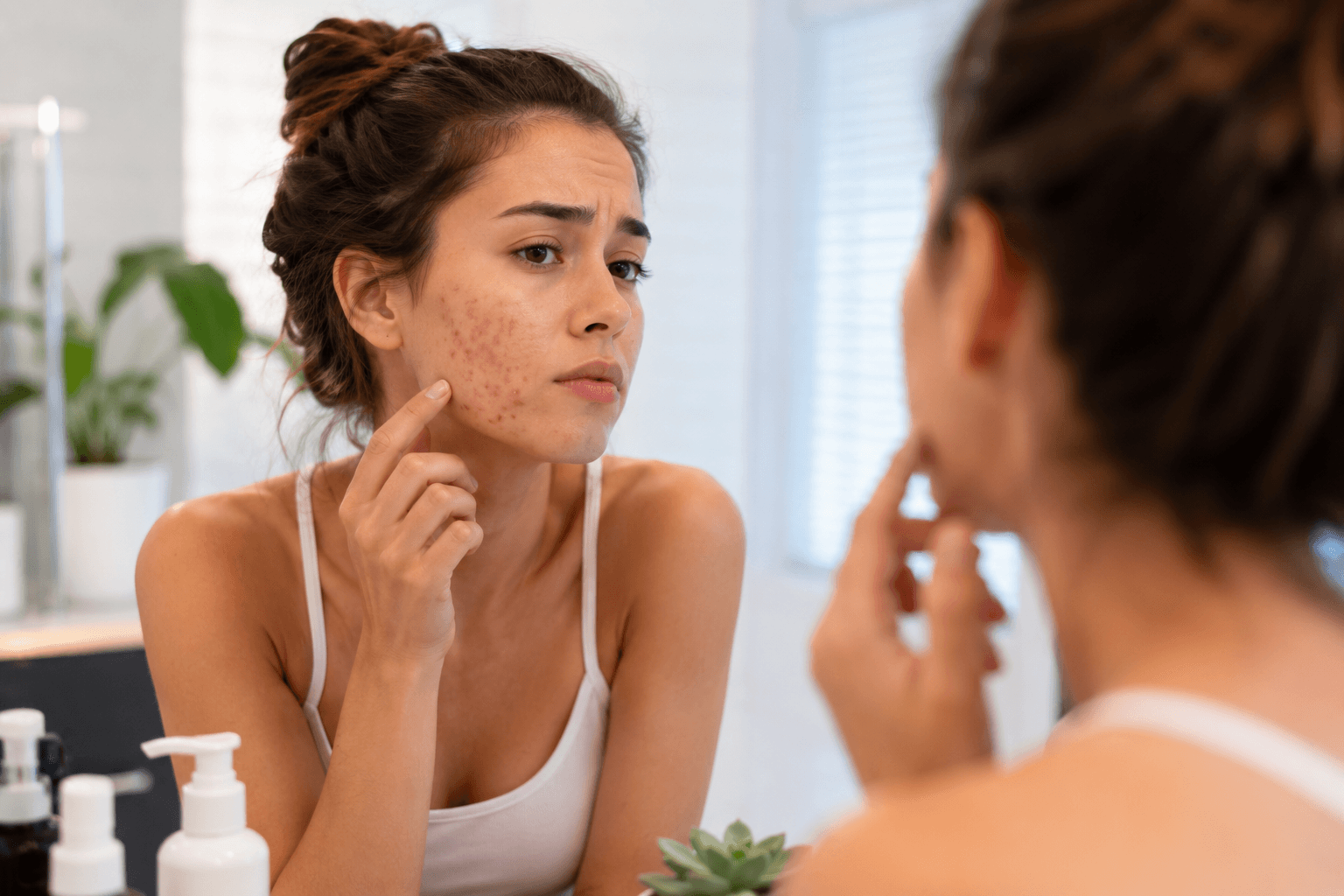
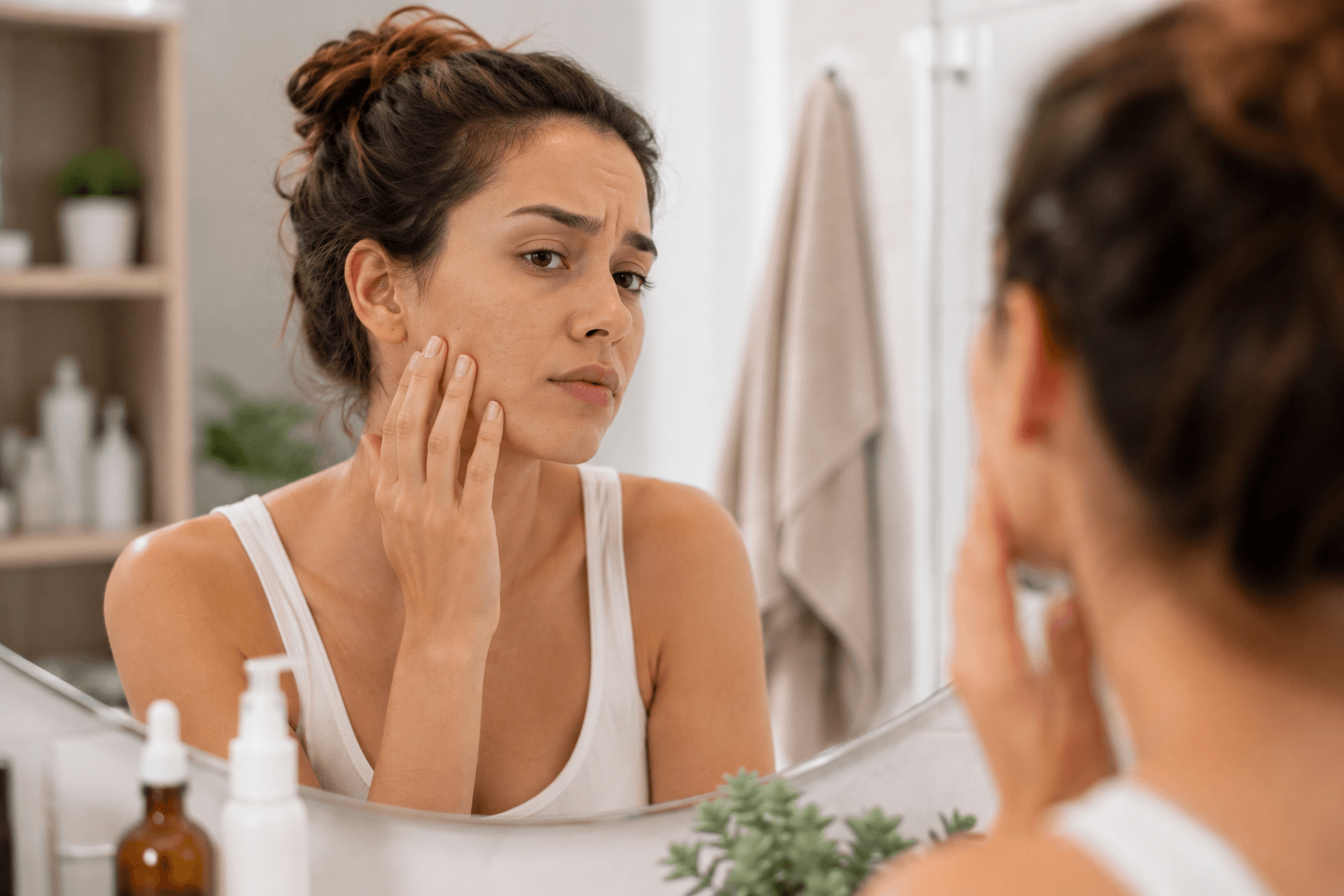
If you have ever stood in front of the bathroom mirror wondering why a new breakout showed up the same week as an old one finally faded, you are far from alone. Acne is one of the most common skin concerns people deal with, and it does not stop being frustrating just because you are past your teenage years. Plenty of adults in Wichita Falls find themselves dealing with the same clogged pores, redness, and occasional cystic bumps they thought they had left behind in high school.
The good news is that acne is not a mystery. It has real, identifiable causes, and once you understand what is triggering your particular breakouts, you can start making choices that actually move the needle instead of just masking the problem for a few days. This article walks through what causes acne, the different types you might be dealing with, why drugstore products often stall out, and when it is time to bring in professional help. Updated August 2026 to reflect the latest thinking on acne care, this guide is meant to give you a clear, honest picture before you spend another dollar on a product that promises the world and delivers very little.
Acne forms when hair follicles become clogged with oil, dead skin cells, and sometimes bacteria. That basic mechanism is the same for almost everyone, but the reasons those follicles get clogged can vary quite a bit from person to person.
Hormonal fluctuations are one of the biggest drivers of acne, which is why breakouts often cluster around a menstrual cycle, pregnancy, or periods of high stress. Stress itself raises cortisol levels, and cortisol can increase oil production in the skin, creating the perfect environment for clogged pores. Diet plays a role too. Research has linked high glycemic foods and dairy to increased breakouts in some people, although the connection is not identical for everyone.
Then there are the everyday habits that quietly contribute to acne without anyone realizing it. Skincare products that are too heavy or not suited to your skin type, pillowcases that go too long between washes, and even certain hair products that migrate down onto the forehead can all clog pores over time. For a lot of people, acne is not caused by one single thing but by a combination of a few of these factors working together.
Local climate matters more than people expect. Wichita Falls summers bring high heat and humidity, which increases sweat and oil production and can make pores more prone to clogging. Winters here tend to be dry, which sounds like it should help, but dry air often triggers the skin to overproduce oil to compensate, leading to a different kind of breakout cycle. Understanding how our regional climate interacts with your skin type is a small but genuinely useful piece of the puzzle.
Not all breakouts are created equal, and knowing which type you are dealing with changes what will actually help.
Blackheads and whiteheads, known as comedonal acne, form when pores become clogged with oil and dead skin but are not yet inflamed. Inflammatory acne shows up as red, tender bumps and often responds to different treatments than comedonal acne does. Hormonal acne tends to appear along the jawline and chin, often in a cyclical pattern tied to hormonal shifts. Cystic acne is the deeper, more painful type that forms under the skin and carries a higher risk of leaving lasting scars if it is not managed carefully.
Adult acne deserves its own mention because it behaves differently than teenage acne. It tends to be more hormonally driven, often shows up along the lower face and jaw, and can be more resistant to the over the counter products that worked fine in someone's twenties.
Walk down any skincare aisle and you will find dozens of products promising clear skin in days. For mild, occasional breakouts, some of these can genuinely help. But for recurring or stubborn acne, over the counter products often only address the surface layer of the problem.
Most drugstore acne treatments rely on a small handful of active ingredients like benzoyl peroxide or salicylic acid at fairly low concentrations. They can reduce surface oil and mild inflammation, but they are not always strong enough to reach deeper clogged pores or to meaningfully affect the skin cell turnover that keeps hormonal and cystic acne cycling. Overusing these products can also backfire, drying out the skin and triggering even more oil production as a defense response.
This is where a lot of people get stuck in a frustrating loop of buying new products every few months, seeing a small improvement, and then watching the breakouts return.
If you have been consistent with a skincare routine for eight to twelve weeks and are not seeing meaningful improvement, that is generally a sign it is time to bring in professional guidance. The same is true if your acne is cystic, painful, leaving scars, or affecting your confidence in day to day life. Adult onset acne that shows up after your twenties is also worth having evaluated professionally, since it often has different underlying triggers than teenage breakouts.
This is exactly the kind of situation where an acne treatment approach built around professional grade exfoliation and skin renewal makes a real difference, rather than relying on trial and error with whatever is on sale that week.
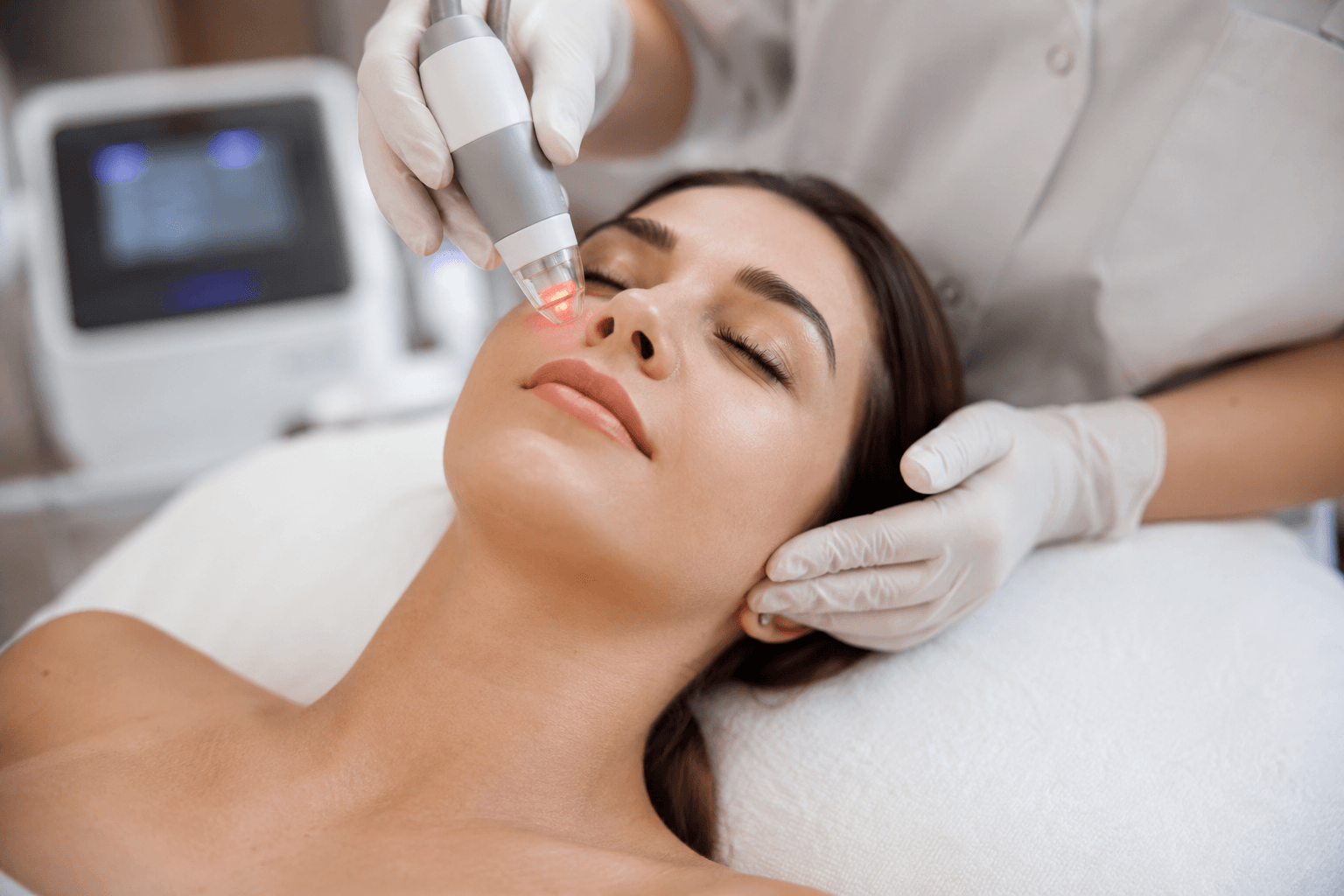
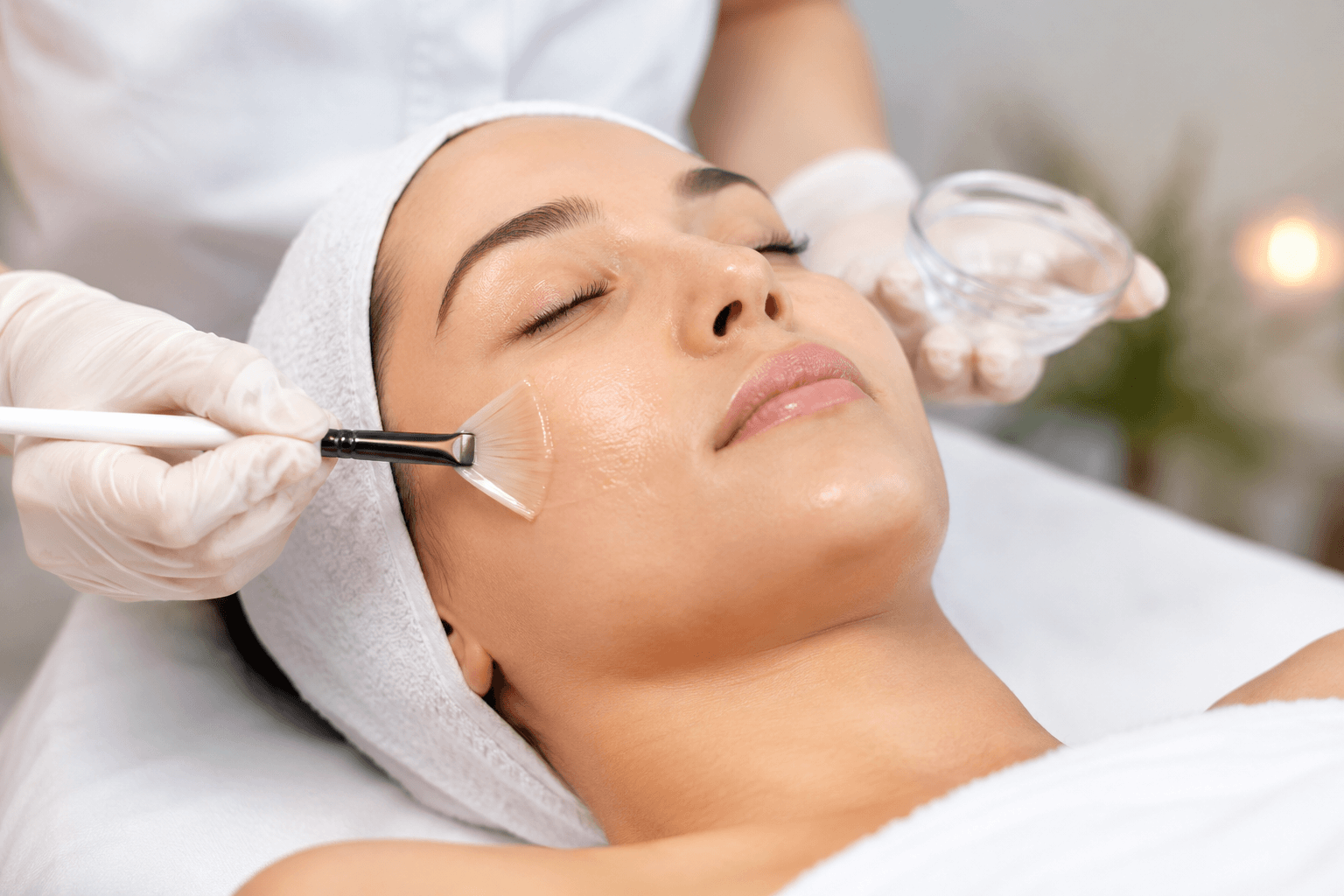
At Envy Med Spa, our team in Wichita Falls sees this exact frustration often, and the professional service we most frequently recommend for active breakouts and lingering acne marks is the chemical peel. A chemical peel works by removing the outermost layers of damaged, oil clogged skin, encouraging fresh, healthier skin to surface in its place. This does more than clear existing blemishes. It also helps prevent new ones from forming by keeping pores clear and reducing the buildup that leads to breakouts in the first place.
For clients dealing specifically with acne breakouts, a series of peels can calm active inflammation and regulate the skin's texture over time. For those left with acne scars from past breakouts, peels help resurface the skin and soften the appearance of discoloration and pitting. Clients struggling with blackheads and congested skin often notice their pores appear visibly clearer and smaller after a series of treatments, since the deep exfoliation clears out the debris that keeps those pores stretched and clogged.
Chemical peels are not a one time fix, and our team will walk you through a realistic schedule based on your skin type and how your acne has been behaving. Many clients pair their peel series with complementary esthetician services like dermaplaning to physically remove dead skin and peach fuzz before a peel, allowing the peel to penetrate more evenly, or an infusion facial to nourish and calm the skin between peel sessions. Together, these treatments create a well rounded approach rather than relying on any single product or step.
We have also written more about this topic if you want additional detail on how peels specifically target persistent acne and skin health, or how they can serve as Wichita's go to solution for acne scars.
Can chemical peels really help with active breakouts, not just scars? Yes. Chemical peels help clear the buildup of oil and dead skin that leads to active breakouts, and many clients see a reduction in new blemishes as their skin cycle improves, alongside gradual improvement in existing scarring.
How many sessions does it usually take to see results from an acne treatment plan? Most clients need a series of sessions spaced several weeks apart to see meaningful changes, since skin renews itself gradually. Your provider will build a plan based on your acne type and skin sensitivity.
Is a chemical peel safe for sensitive or acne prone skin? Chemical peels are customized in strength and formulation, so sensitive and acne prone skin can typically be treated safely with the right peel selected for that skin type.
Why does my acne keep coming back even though I use skincare products every day? Recurring acne is often tied to hormonal factors, incomplete pore clearing, or products that are not strong enough to address deeper congestion, which is why professional exfoliation can make a noticeable difference.
Do I need to stop using my regular skincare products if I start getting chemical peels? Not usually, though your provider may suggest adjusting certain active ingredients around your peel appointments so your skin can heal properly between sessions.
Acne rarely responds well to guesswork, and if you have already tried the drugstore route without lasting results, that is not a reflection of anything you are doing wrong. It usually just means your skin needs a more targeted approach. If you are in Wichita Falls and ready for a plan built around your actual skin rather than a generic routine, our team would love to talk through your options and figure out what will genuinely work for you. Reach out through our contact page and let's get your skin back on track.


.png)
.png)

































.avif)



.jpg)